

Why Local SEO Still Rules the Street
When a shopper types “coffee near me” or “best plumber in town,” the search engine is acting like an instant local concierge, and that moment decides whether your door swings open or stays shut. Local SEO is no longer a nice‑to‑have add‑on; it’s the frontline of digital visibility for any brick‑and‑mortar brand that wants to dominate its zip code. In a world where “near me” queries have exploded, the businesses that win are the ones that blend data‑driven tactics with genuine community insight, turning a simple search into a foot‑traffic magnet.
The Empathy Engine Behind Modern Local Search
Empathy isn’t just a buzzword for brand storytelling—it’s the engine that powers today’s local rankings, as search giants reward sites that understand and anticipate real human intent. By shifting from keyword stuffing to truly answering the questions locals ask, you align with the new power move in SEO that Google’s algorithm quietly favors. Think of each local query as a conversation starter: the more you listen and respond with relevance, the louder your voice becomes in the neighborhood chorus.
Human‑Centric Google Business Profile Tactics
The Google Business Profile (formerly GMB) is the digital storefront that most locals encounter first, and it must feel as welcoming as a handwritten sign on the shop’s window. Fill out every attribute—from business hours and service areas to the quirky “From the owner” note—because each field is a data point that search engines use to match you with the right searcher. Upload high‑resolution photos that capture the atmosphere, and don’t forget to post regular updates that highlight seasonal promotions or community events, turning static information into a living narrative.
Turning Reviews into Trust Currency
Online reviews have become the modern word‑of‑mouth, and each five‑star comment is a vote of confidence that ripples through local SERPs. Encourage happy customers to leave authentic feedback, and respond to every review—positive or negative—with a tone that shows you care about real people, not just rankings. A well‑crafted response can turn a neutral comment into a brand advocate, while also signaling to search engines that your business fosters genuine engagement.
Mobile‑First Local Search: Capture the On‑The‑Go Crowd
Over half of local searches happen on mobile devices, meaning your site must load faster than a coffee order at rush hour. Optimize images, leverage AMP where appropriate, and make sure click‑to‑call buttons are prominently displayed so a mobile user can connect with a tap. A streamlined mobile experience not only pleases users but also satisfies Google’s mobile‑first indexing, giving you a decisive edge in the hyper‑local arena.
Community Content & Schema: Speak the Language of Your Neighborhood
Creating content that reflects local culture—like a blog post about the town’s annual street fair or a guide to the best bike trails—signals relevance to both users and search engines. Pair that content with structured data markup, such as LocalBusiness schema, to help crawlers understand the geographic context instantly. When search engines can see the precise address, opening hours, and service categories embedded in your code, they reward you with richer snippets that stand out in the crowded results page.
Neighborhood Link Building: Quality Over Quantity
Earn backlinks from reputable local sources—chambers of commerce, community newspapers, and local event pages—to build a web of trust that search engines interpret as a seal of approval from the area you serve. Sponsor a charity run, guest‑write for a neighboring boutique’s blog, or exchange resource links with a complementary business, ensuring each link feels natural and adds value to the local ecosystem.
Measuring Success with Hyper‑Local KPIs
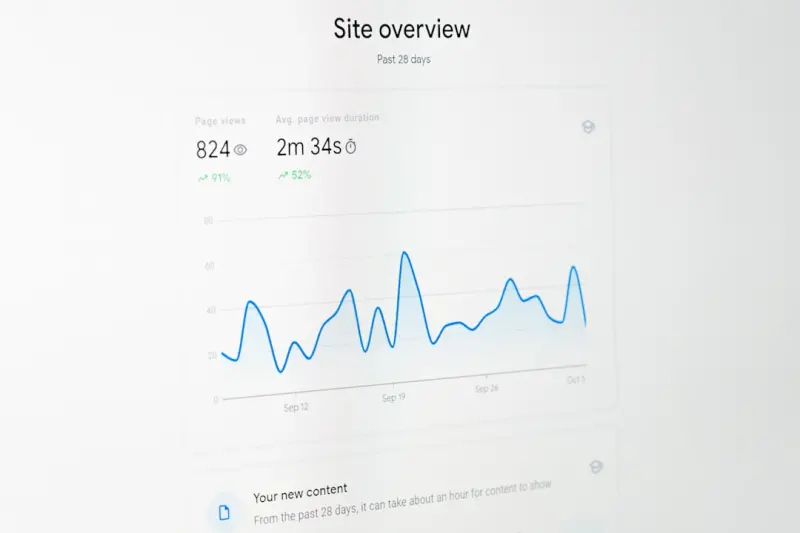
Traditional traffic metrics tell only part of the story; for local SEO, focus on foot‑traffic lift, map pack impressions, and “calls from the website” stats. Use Google Analytics’ “Location” reports to see which neighborhoods generate the most engagement, and cross‑reference that data with Google Business insights to identify the most profitable zip codes. Adjust your budget and tactics based on these hyper‑local signals, and you’ll watch your neighborhood presence grow exponentially.
Future‑Proofing Your Local Strategy with Empathy
As voice search and AI assistants become mainstream, the queries will sound even more conversational—think “where can I grab a quick lunch that’s kid‑friendly near the park?”—making empathy‑driven optimization more critical than ever. Stay ahead by continuously gathering community feedback, refining your content to mirror the evolving language of locals, and integrating emerging technologies like hyper‑local AR offers. By keeping the human at the center of every tweak, you’ll future‑proof your rankings and keep the neighborhood buzzing about your brand.
Action Plan: Turn Insight into Impact Today
Start by auditing your Google Business Profile, then schedule a weekly review‑generation campaign that rewards customers for honest feedback. Follow up with a mobile‑speed audit, add schema markup to your top three local pages, and reach out to two community partners for backlink opportunities this month. Track the lift in map pack positions, and iterate based on what your neighbors actually care about. In the end, the businesses that win are those that treat each search like a personal conversation, and that’s the essence of human‑centric local SEO.

Brody Lambert is an emerging freelance writer whose fresh voice and thoughtful approach are quickly making their mark. As a fairly new entrant in the world of freelance writing, Brody brings a blend of curiosity and dedication that fuels every project, crafting stories and content that resonate with authenticity and clarity.
Related Posts

The Ultimate Local SEO Audit Checklist for SaaS Market Expansion
A detailed guide shows SaaS teams how to map geographic footprints, clean up Business Profiles, crea... Read More

Local SEO Secrets: Turning Neighborhood Searches into Real Connections
Learn why modern local SEO is about empathy, not just listings. From mobile‑first tactics to commu... Read More

Reinventing Local SEO with a Human‑Centric Lens
A human‑centric local SEO strategy turns community trust into rankings, boosting foot‑traffic, o... Read More
Top Posts
Why Human‑Centric Local SEO Is the Secret Sauce for Neighborhood Success
Learn why human‑centric local SEO outperforms traditional tactics, with actionable steps on reviews, mobile optimization, and community link building to domin...Read More

Micro‑Influencer Affiliate Networks: Scaling Trust in Digital Marketing
Explore the rise of micro‑influencer affiliate networks and learn practical steps to harness their trust‑based power for sustainable digital marketing succe...Read More

Mapping Search Intent: The Blueprint to Dominate Google Rankings
Learn how to classify keywords by intent, build topic clusters, and use predictive insights to fill content gaps—turning intent into higher rankings and conve...Read More
Zero‑Click SERP Features: Turning Search Answers into a SaaS Branding Engine
Zero‑click SERP elements like featured snippets and knowledge panels are reshaping how SaaS brands capture attention. This guide explains how to design conten...Read More
0 Comments
Post Comment
You will need to Login or Register to comment on this post!