

Why Search Intent Mapping Is the Missing Link in Your SEO Playbook
Most SEO campaigns still chase rankings with generic keyword lists, leaving a critical blind spot: the real reason users type a query. Search intent is the psychological driver that decides whether a visitor clicks, converts, or bounces, and Google’s algorithms have become far more sophisticated at rewarding pages that satisfy that intent. When you align your content strategy with intent, you move from a reactive, “rank‑for‑this keyword” mindset to a proactive, “answer this need” approach, which dramatically improves dwell time, reduces pogo‑sticking, and signals trust to Google’s ranking models. In practice, this shift means mapping every target keyword to an intent category—informational, navigational, transactional, or commercial—and then tailoring the page experience to meet that expectation.
Decoding the Four Core Intent Categories
The first step is to recognize that not all queries are created equal. Informational searches seek knowledge (“how does schema markup work?”), while navigational queries aim to reach a specific site or page (“Google Search Console login”). Transactional searches indicate a purchase intent (“buy SEO audit tool”), and commercial investigation sits between information and transaction, where users compare options (“best SEO tools 2024”). By categorizing each keyword, you can design distinct content types—long‑form guides, product pages, comparison tables, or quick‑answer snippets—that align perfectly with the searcher’s mindset. This granularity also helps you avoid the common pitfall of stuffing a single page with mixed intents, which confuses both users and search crawlers.
Building Topic Clusters Around Intent
Once you’ve assigned intent, the next move is to construct topic clusters that orbit a pillar page optimized for the primary intent. For an informational pillar, you’d create in‑depth guides that link to supporting articles covering related sub‑questions, each optimized for long‑tail informational queries. Conversely, a transactional pillar should focus on product features, pricing tables, and strong calls‑to‑action, while supporting pages answer pre‑purchase concerns. This architecture not only distributes link equity through internal linking but also creates a clear hierarchy that Google can crawl and understand, boosting the authority of the whole cluster. The result is a seamless user journey from curiosity to conversion, satisfying both the user and Google’s quality standards.
Conducting a Content Gap Analysis with Intent Data
Identifying where your existing content falls short is where intent mapping truly shines. Start by exporting your keyword list and intent classifications into a spreadsheet, then cross‑reference it with the pages you already have. Any intent category without a dedicated page is a content gap begging to be filled.
- Pinpoint high‑volume informational queries that lack a comprehensive guide.
- Spot transactional keywords that currently sit on thin, low‑conversion landing pages.
- Locate commercial investigation terms where you have no comparison or review content.
Prioritize gaps based on search volume, competition, and your business goals, and then allocate resources to create purpose‑built pages. This data‑driven approach ensures you’re not guessing what to write but building exactly what users—and Google—are looking for.
Prioritizing Opportunities Using Predictive Signals
Not every gap is worth tackling immediately. Leverage predictive SEO techniques to forecast which intents will deliver the highest ROI. Analyze historical click‑through rates, conversion metrics, and SERP features such as featured snippets or People Also Ask boxes associated with each intent type. If a commercial investigation query regularly triggers a “best‑of” snippet, crafting a well‑structured comparison table could capture that prime SERP real estate. Similarly, for informational queries that trigger “People Also Ask,” consider adding concise, question‑answer sections using schema markup to increase the chance of appearing in those boxes. By focusing on intents with strong predictive signals, you maximize impact while conserving resources.
Optimizing On‑Page Elements for Intent Alignment
When you finally build the new pages, every on‑page element should echo the underlying intent. For informational pages, use descriptive headings, bullet‑point summaries, and rich media to keep readers engaged and signal depth to Google. Transactional pages demand clear value propositions, trust signals (reviews, certifications), and prominent calls‑to‑action placed above the fold. Commercial investigation pages benefit from side‑by‑side comparison tables, pros‑and‑cons lists, and internal links to both informational and transactional pages, guiding the user down the funnel. Don’t forget to embed structured data that matches the intent—FAQ schema for informational content, Product schema for transactional pages, and Review schema for commercial investigation—so Google can surface your content in the most relevant SERP features.
Measuring Success: Intent‑Focused Metrics
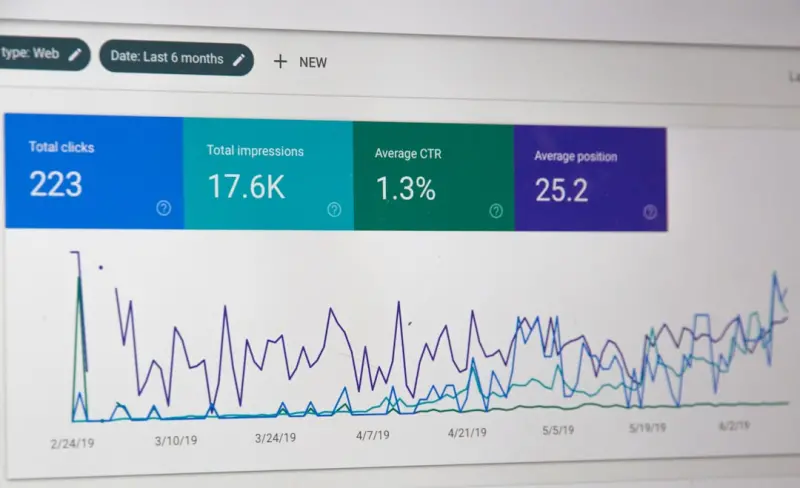
Traditional SEO metrics like organic traffic and keyword rankings remain important, but they don’t tell the full story of intent fulfillment. Track intent‑specific KPIs: for informational pages, monitor average time on page, scroll depth, and bounce rate; for transactional pages, focus on conversion rate, assisted conversions, and revenue per visit; for commercial investigation pages, measure click‑through rates to product pages and dwell time on comparison tables. Use Google Search Console’s “Performance” report filtered by query intent to see how each category contributes to overall impressions and clicks. Over time, you’ll see a clearer picture of which intents are driving business outcomes and where further optimization is needed.
Future‑Proofing Your Intent Strategy with AI‑Driven Insights
Search intent is not static; it evolves as user behavior and technology shift. Integrate AI‑powered tools that analyze emerging query patterns, seasonal trends, and voice‑search phrasing to keep your intent map current. For example, AI‑driven search strategies can surface new long‑tail intents that haven’t yet saturated the SERP, giving you a first‑mover advantage. Pair these insights with regular audits of your content clusters to ensure each page continues to satisfy its designated intent as search algorithms become more nuanced. By treating intent mapping as an ongoing, data‑rich process rather than a one‑off project, you safeguard your rankings against algorithm updates and maintain relevance in a rapidly changing search landscape.
Putting It All Together: A Blueprint for Intent‑Centric SEO
In summary, mastering search intent involves four interconnected steps: classify keywords, build intent‑aligned topic clusters, close content gaps with predictive prioritization, and continuously measure intent‑specific performance. When executed correctly, this framework transforms your SEO from a scattershot keyword chase into a strategic, user‑first system that earns Google’s trust and drives meaningful conversions. Start by auditing your existing content against intent categories, create a living spreadsheet to track gaps, and allocate resources to the highest‑impact opportunities. Over the next few weeks, you’ll notice not only higher rankings but also richer user engagement—proof that when you speak the language of search intent, Google listens.

Brandy Miller is a dynamic freelance writer based in the vibrant city of Cambridge, Ontario. With a passion for storytelling that knows no bounds, she crafts compelling narratives that captivate and inspire. Brandy’s love for writing shines through in her versatile work, whether she’s penning thought-provoking articles or engaging content that resonates with readers. Her unique perspective and friendly tone make her a sought-after voice in the writing community. When she’s not weaving words together, you can find her exploring the beautiful landscapes of Ontario, always seeking new adventures and inspiration for her next piece. Brandy is not just a writer; she’s a creative force, making her mark one word at a time.
Related Posts
AI‑First SEO: Rethinking Google Rankings for SaaS in the Age of Generative Search
Learn why traditional keyword tactics no longer suffice as Google’s AI begins to generate answers,... Read More

Cracking Google’s AI Search: A SaaS‑First SEO Blueprint
The post outlines a step‑by‑step strategy for SaaS marketers to adapt to Google’s AI Search, f... Read More

Speak Up: A SaaS Guide to Winning Google Voice Search
Voice search is reshaping Google SEO for SaaS. This guide shows how to craft conversational content,... Read More
Top Posts

Mastering the 2024 SERPs: Miranda Murphy’s Insider Playbook
Miranda Murphy reveals how to conquer the 2024 SERPs with AI‑driven intent, zero‑click tactics, technical excellence, and smart link building for lasting au...Read More

Link Building in 2024: Deb Roberts’ Blueprint for Sustainable Authority
Deb Roberts shares a 2024 link‑building playbook focused on quality, relationships, and emerging trends, offering actionable steps for lasting authority....Read More

Riding the Waves: Mastering SERP Volatility for SaaS Success
SERP volatility can feel chaotic, but with a real‑time monitoring dashboard, modular content, structured data, and AI forecasting, SaaS marketers can turn ran...Read More

From Conversation to Conversion: Designing a Social Referral Loop That Fuels SaaS Adoption
A step‑by‑step guide to creating a social referral loop that turns everyday user conversations into a steady flow of qualified SaaS leads, leveraging listen...Read More
0 Comments
Post Comment
You will need to Login or Register to comment on this post!