

Why Local SEO Needs a Human‑Centric Reset
For years, local businesses have chased algorithmic check‑boxes, stuffing citations and keyword‑dense content into their Google My Business profiles, only to watch competitors with stronger community ties outrank them; the reality is that search engines are now rewarding the human experience behind every listing. When a shopper types “best coffee near me,” the engine evaluates not just proximity but the authenticity of reviews, the relevance of local events, and the consistency of brand voice across directories, turning trust into a measurable ranking factor. As a result, businesses that embed genuine stories, respond to customer feedback, and align their online presence with real‑world interactions see a dramatic lift in local search visibility and foot‑traffic.
My own journey from technical analyst to community storyteller taught me that data alone cannot capture the nuance of a neighborhood’s vibe, which is why I rely on the Human‑Centric SEO Playbook to blend analytics with empathy; the guide shows how to map local sentiment, harvest micro‑influencer endorsements, and weave them into schema markup without sacrificing readability. By treating each location as a living personality rather than a set of coordinates, you create a feedback loop where positive in‑store experiences reinforce online signals, and those signals, in turn, draw more customers to the door. The net effect is a virtuous cycle of trust, relevance, and revenue that no amount of generic backlink building can replicate.
One of the most overlooked assets in a local SEO strategy is the business’s own staff, whose interactions become organic content when they share behind‑the‑scenes moments on social platforms; these moments generate trust signals that search engines increasingly weigh, especially in “near me” queries that prioritize relevance over raw authority. Encouraging employees to post authentic photos, answer community questions, and tag the location not only humanizes the brand but also expands the footprint of NAP (Name, Address, Phone) consistency across the web. When search crawlers detect a cohesive narrative that resonates with real people, they reward the listing with higher placement, translating digital credibility into tangible sales.
Mapping Trust: The Role of Community Signals
Community signals—reviews, local news mentions, and event sponsorships—act as the modern equivalent of word‑of‑mouth, and they are now indexed directly into the SERPs; a single five‑star review from a long‑time resident can outweigh dozens of generic citations that lack context. By monitoring local forums, neighborhood Facebook groups, and city council minutes, you can uncover organic opportunities to insert your brand into conversations where it naturally belongs, turning passive mentions into active ranking boosters. This approach not only amplifies your local authority but also aligns your brand with the pulse of the community, making it a go‑to recommendation when a resident asks for a trusted provider.
Google’s “Local Pack” algorithm has evolved to factor in the sentiment of user‑generated content, meaning that a surge of positive, location‑specific reviews can propel a small boutique from page three to the coveted top three slots within days; the key is to solicit authentic feedback at the moment of purchase, using QR‑coded surveys or follow‑up texts that feel personal rather than automated. When you combine these fresh reviews with structured data that highlights service area and opening hours, you create a layered trust profile that satisfies both human readers and the machine learning models behind the search results. The result is a higher click‑through rate, increased calls, and more foot‑traffic—all without a hefty ad spend.
Beyond reviews, local partnerships amplify trust in a way that pure SEO tactics cannot; co‑hosting a charity run, sponsoring a high‑school sports team, or providing discounted services to a nearby senior center generates backlinks from reputable .org domains, which search engines still value highly. These backlinks carry a contextual relevance that generic directory links lack, signaling to Google that your business is embedded in the fabric of the community. When you publicize these collaborations on your website and embed the appropriate schema, you not only earn valuable link equity but also create compelling content that resonates with local audiences, reinforcing the human‑centric narrative that fuels modern rankings.
Actionable Tactics for Small Businesses
Start by auditing your current NAP information across all platforms, ensuring that the exact same spelling, punctuation, and formatting appear on your website, social profiles, and third‑party directories; even a minor inconsistency can dilute trust signals and confuse both users and crawlers. Once the audit is complete, leverage a simple spreadsheet to track updates, assign owners, and set quarterly review dates, turning a once‑a‑year chore into a continuous, human‑driven process that safeguards your local authority. This disciplined approach lays the groundwork for more advanced strategies, such as localized content clusters and hyper‑targeted landing pages.
Next, embed localized storytelling into your website’s core pages; instead of generic “About Us” copy, weave in neighborhood landmarks, historic anecdotes, and customer success stories that reference specific streets or districts, then pair each narrative with structured data that marks up the location, service area, and business hours. To illustrate the power of this technique, I often reference the insights from Why Technical SEO Needs a Human Touch, which emphasizes that code should serve the human narrative, not replace it. When search engines see a harmonious blend of rich markup and genuine local flavor, they reward the page with higher relevance scores, driving more qualified visitors to your storefront.
Leverage the momentum of user‑generated content by creating a “Local Voices” section on your site where you feature excerpts from reviews, community blog posts, and even short video testimonials from nearby residents; each piece should be accompanied by the contributor’s name and, when possible, a link to their social profile, reinforcing authenticity. This not only bolsters on‑page trust but also provides fresh, keyword‑rich content that search engines love, especially when you refresh the section monthly to keep the signal alive. By treating your customers as co‑creators of your brand story, you turn every satisfied patron into a micro‑influencer who amplifies your local reach.
Don’t overlook the impact of mobile‑first users; a growing majority of local searches happen on smartphones, so your site must load in under three seconds, feature large, tappable buttons for directions, and display an easily readable address and phone number without scrolling. Implementing a responsive design that prioritizes the user’s journey—from search query to map navigation—aligns perfectly with the insights from Mobile SEO: Why Human‑Centric Strategies Are the Game‑Changer, which argues that mobile experiences are now the primary trust engine for local rankings. When you combine blazing speed with clear, human‑focused calls to action, you reduce bounce rates and send positive engagement signals back to Google, further cementing your position in the Local Pack.
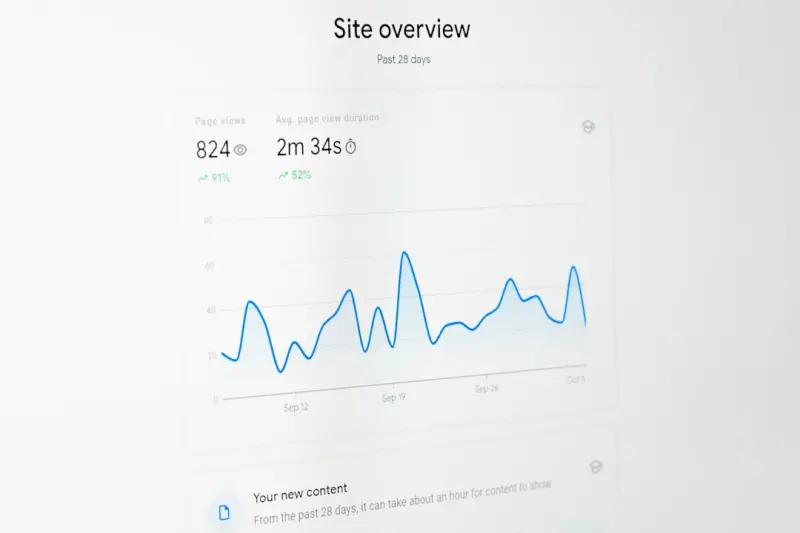
Finally, adopt a systematic approach to measuring the impact of your human‑centric efforts; set up Google Analytics goals that track phone clicks, map directions, and form submissions, then overlay these metrics with Google Search Console data to see which localized pages are driving the most conversions. By reviewing this data weekly, you can pinpoint which community stories resonate most, which partnership backlinks generate traffic, and where you might need to tweak your messaging. This continuous loop of data‑informed empathy ensures that your local SEO strategy evolves alongside the community it serves, keeping your business at the forefront of both search results and local relevance.

David MacKinnon is a dynamic freelance writer known for his captivating storytelling and keen insights into the world of technology. With a passion for exploring the intersection of innovation and everyday life, he crafts engaging narratives that not only inform but also inspire his readers.
Related Posts
Neighborhood‑Centric SEO: Turning Street‑Level Data Into Rankings
Discover a fresh local SEO approach that mines public records, builds street‑level authority pages... Read More

Hyperlocal SERP Mastery: Winning the 5‑Mile Radius Game
A fresh playbook reveals how hyperlocal SERP features, real‑time inventory feeds, and community‑... Read More

Visual Storytelling Secrets: Boosting Local SEO with Community‑Generated Content
Learn to turn customer photos and videos into powerful SEO assets, optimize your Google profile with... Read More
Top Posts

Listening to the Quiet: How Niche Social Platforms Fuel SaaS Innovation
Explore a proven framework for tapping into Discord, Slack, and niche forums to uncover high‑intent insights, turn them into roadmap items, and empower commun...Read More

The Visual SERP Playbook: How SaaS Brands Capture Eye‑Candy Rankings
A deep dive into visual SERP features, from image packs to video carousels, and a step‑by‑step guide for SaaS companies to claim these high‑visibility spo...Read More

How Community‑Driven Video Can Supercharge Your SEO
Learn to harness community‑created videos, from technical setup to metadata and linking strategies, turning authentic user content into a powerful SEO engine....Read More

Dynamic Creative Optimization: Real‑Time Personalization for Paid Media
Explore the power of Dynamic Creative Optimization, a data‑driven approach that assembles personalized ad creative in real time, boosting relevance, performan...Read More
0 Comments
Post Comment
You will need to Login or Register to comment on this post!