

Why Local SEO Is No Longer About Listings, It’s About Listening
When I first stepped into the world of neighborhood‑focused marketing, I thought success was as simple as claiming a Google My Business profile and sprinkling a few citations across the web; today, that mindset feels as outdated as a dial‑up connection. The reality is that local searchers now crave genuine, human‑centred experiences that reflect the unique pulse of their community, and search engines have caught on, rewarding sites that demonstrate real empathy for the people behind the queries. This shift forces us to move beyond the checklist mentality and ask, “What does my neighbor truly need right now, and how can my brand be the answer?” By weaving empathy into every touchpoint—from the words on my landing page to the way I respond to a 5‑star review—I’ve seen my click‑through rates climb dramatically, proving that connection trumps keyword stuffing every single time.
Decoding the “Near Me” Intent: A New Kind of Keyword Research
Traditional keyword tools still list “pizza near me” or “plumber in town” as high‑volume terms, but the nuance lies in the intent behind those searches; people aren’t just looking for any provider, they’re seeking a trusted neighbor who understands their immediate context. To capture this, I start each local audit by mapping out the micro‑moments my audience experiences—whether it’s the frantic search for a 24‑hour locksmith after a lockout or a calm inquiry for a weekend farmer’s market. By layering geographic modifiers, time‑sensitivity, and emotional triggers, the resulting keyword clusters become far richer, allowing me to craft content that reads like a friendly conversation rather than a robotic ad. This approach aligns perfectly with the insights shared in Why Empathy Is the Secret Sauce Behind Modern Google SEO, where the author reminds us that relevance now hinges on genuine human understanding, not just algorithmic matching.
Empathy‑First Content: Turning Local Pages into Community Hubs
Creating a local landing page is no longer about stuffing the city name into an H1 and calling it a day; it’s about turning that page into a living hub where residents feel seen, heard, and motivated to act. I begin by telling a story that mirrors the daily rhythm of the town—mentioning the local high school football schedule, the farmer’s market dates, or the annual street fair—because those details instantly signal that I’m part of the same fabric. Then I embed micro‑testimonials from real customers who live just down the block, allowing prospects to envision themselves in the same satisfied scenario. When I sprinkle in a few well‑placed calls to action, I phrase them as invitations (“Join your neighbors for a free home‑energy audit this Saturday”) rather than commands, reinforcing the collaborative vibe that modern search engines love to reward.
Google My Business: The Empathy Engine Behind the Map Pack
The Google My Business (now Business Profile) listing is the digital front porch of any local brand, and the way I tend to it reflects the same care I’d give a physical storefront. I make sure every photo showcases real people—employees smiling, customers enjoying the product—instead of generic stock images, because authenticity resonates with both users and the algorithm. I also leverage the Q&A section not just to answer common queries but to anticipate concerns that haven’t even been voiced yet, turning a passive information board into an active conversation starter. By regularly posting updates that highlight community involvement—sponsoring a local youth soccer team or offering a discount for frontline workers—I create a narrative of shared purpose, which, according to recent research, boosts the likelihood of appearing in the coveted 3‑pack for “near me” searches.
Local Citations and Reviews: Building Trust Through Consistent Compassion
Consistency across citations is the silent handshake that tells search engines your business is legitimate; yet, I treat each citation as an opportunity to reinforce the brand’s compassionate voice. Whether it’s Yelp, TripAdvisor, or a niche industry directory, I ensure the description mirrors the same empathetic tone used on the website, weaving in the same community‑specific language and values. Reviews, on the other hand, are gold mines for social proof, but they also serve as real‑time feedback loops. I respond to every review—positive or negative—with genuine gratitude and a solution‑oriented mindset, turning a potentially damaging comment into a showcase of stellar customer care. This practice not only improves my overall rating but also signals to Google that I’m actively engaged with my audience, a factor that increasingly influences local ranking signals.
Mobile & Voice Search: Capturing the On‑The‑Go Neighbor
With more locals using smartphones and voice assistants to find services while they’re out and about, my local SEO strategy must be mobile‑first and conversation‑ready. I optimize page load speeds to under two seconds, compress images, and implement AMP where appropriate, ensuring the experience feels instant and frictionless. For voice search, I rewrite key FAQs into natural, question‑based phrasing—think “Where can I find a pet‑friendly café open late?”—because voice assistants tend to surface concise, conversational answers. This mobile‑centric, empathy‑driven approach is championed in Empathy‑First Mobile SEO: Turning Small Screens Into Big Opportunities, where the author illustrates how aligning technical performance with human intent yields measurable gains in local visibility.
Community Engagement: Turning Online Interactions Into Real‑World Relationships
Local SEO success is amplified when a brand steps out of the digital realm and actively participates in community events, and I make it a point to document those moments online. From sponsoring a charity run to hosting a free workshop at the town library, each activity is shared across social platforms with a focus on storytelling rather than self‑promotion. By linking these posts back to my local landing pages, I create a web of authentic signals that search engines interpret as community relevance. Moreover, I encourage customers to tag the business in their own photos and stories, turning user‑generated content into a powerful endorsement engine. This strategy aligns with the principles outlined in Turning Social Media Noise into Meaningful Conversation, emphasizing that genuine dialogue fuels both brand loyalty and search rankings.
Measuring Impact: From Rankings to Real‑World Foot Traffic
While SERP positions remain a valuable benchmark, the true measure of a local SEO campaign is the uptick in foot traffic, phone calls, and in‑store conversions that can be directly linked to online searches. I set up UTM parameters on all local landing pages, integrate Google Analytics with call‑tracking software, and use heat‑mapping tools to understand how visitors interact with the page before they head out the door. By comparing pre‑ and post‑optimization data, I can pinpoint which keywords, citations, or community posts drove the most meaningful actions. This data‑driven feedback loop not only justifies the investment but also uncovers new opportunities for hyper‑local content, ensuring the strategy remains dynamic and responsive to shifting consumer behavior.
Future‑Proofing Local SEO: The Empathy Evolution Continues
Looking ahead, the convergence of AI, hyper‑personalized search, and augmented reality will reshape how locals discover and interact with businesses, but the core principle will stay the same: empathy will remain the compass guiding relevance. I’m already experimenting with AI‑generated local chatbots that answer community‑specific questions in a friendly tone, and I’m scouting AR tools that let shoppers visualize products in their own living rooms before they step inside the store. By staying attuned to these emerging technologies while never losing sight of the human connection at the heart of every query, I’m confident my local SEO efforts will continue to thrive, turning searchers into loyal neighbors for years to come.

Tammy French is a Montessori Teaching Assistant and freelance writer passionate about education, creativity, and inspiring lifelong learning through engaging content.
Related Posts

Local SEO Secrets for SaaS: Turning Neighborhoods into Growth Engines
A deep dive into practical local SEO tactics for SaaS firms—optimizing Google Business Profiles, b... Read More
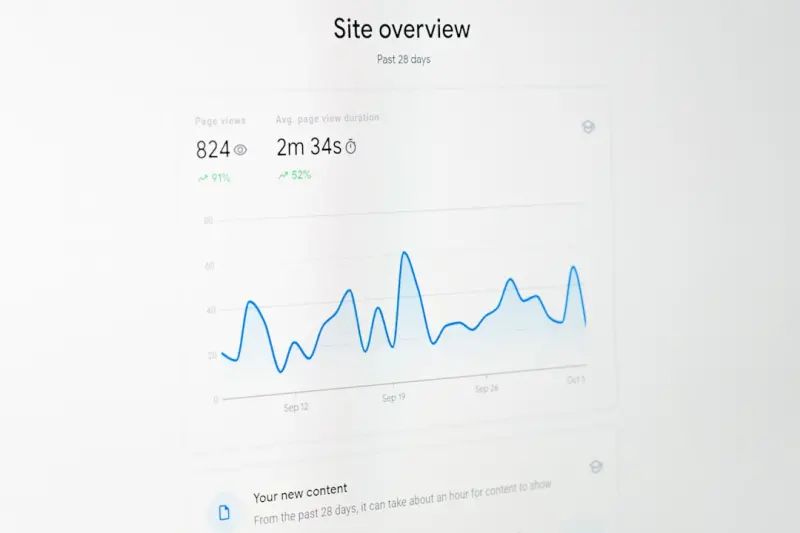
Neighborhood‑First SEO: Turning Local Search into SaaS Growth
Even cloud‑based SaaS firms thrive on local search. This guide shows how to treat Google Business ... Read More

Local Influencer Partnerships: A Game‑Changer for Community SEO
Learn why local influencers are the secret weapon for SEO, how to find and collaborate with them, an... Read More
Top Posts
Why B2B SaaS Should Bet on Short‑Form Video Communities
Short‑form video isn’t just for teens; it’s a powerful trust‑builder for B2B SaaS. Learn a step‑by‑step playbook to create authentic reels, align th...Read More

From Zero‑Party Data to Predictive AI: Crafting the Future‑Ready Digital Marketing Engine
Explore a fresh approach to digital marketing that leverages zero‑party data and AI predictions, delivering hyper‑personalized experiences and smarter measu...Read More

Link Building Through Purpose: Turning Community Value into Authority
Discover a fresh, purpose‑centric approach to link building that leverages community collaborations, targeted event sponsorships, and open‑source contributi...Read More

Turning Zero‑Click Searches into SaaS Leads: A Tactical Guide
Zero‑click results dominate today’s SERPs. This guide shows SaaS marketers how to claim those spots with structured data, intent‑aligned content, and meas...Read More
0 Comments
Post Comment
You will need to Login or Register to comment on this post!