

Rethinking SEO: From Keyword Obsession to Human Connection
When I first stepped into the SEO arena, the buzz was all about exact‑match keywords, backlink counts, and algorithmic hacks; today, the conversation has shifted toward genuine human connection. Empathy has become the compass that guides content creators toward relevance that resonates, turning sterile data into stories that readers actually care about. I’ve learned that when we listen to the audience’s pain points and aspirations, our strategies naturally align with search intent, producing rankings that feel earned rather than forced.
In practice, this means stepping away from the “stuff everything with keywords” mentality and instead asking: what does my audience truly need at this moment? By mapping out real‑world journeys—whether it’s a shopper comparing products or a novice seeking guidance—we craft pages that answer questions before they’re even fully formed. This human‑first lens not only boosts dwell time but also signals to search engines that our content is valuable, authentic, and worthy of higher visibility.
Adopting an empathetic mindset also reshapes how we approach link building. No longer do we chase any domain authority; we seek partners whose values intersect with ours, creating collaborations that feel natural and mutually beneficial. For a deeper dive into this approach, explore Human‑Centric Link Building: Turning Empathy Into Sustainable Authority, where the synergy between empathy and authority is unpacked.
Empathy‑Driven Content: The Engine Behind Sustainable Rankings
Content that speaks to the heart of a user’s experience does more than rank; it builds trust that endures beyond algorithm updates. I’ve found that when writers embed real‑world anecdotes, data‑backed insights, and a conversational tone, the result is a piece that feels like a dialogue rather than a monologue. This approach encourages social sharing, backlinks, and repeat visits—all critical signals for search engines.
One technique I rely on is the “voice of the customer” worksheet, where we compile direct quotes, forum threads, and social comments to capture the exact language our audience uses. By mirroring this vernacular, we reduce the friction between query and answer, making it easier for search engines to match our pages to user intent. The payoff is evident in higher click‑through rates and lower bounce percentages, metrics that algorithms love.
To see how empathy can translate into measurable SEO gains, check out Empathy‑Driven SEO: How to Turn Human Insight into Rankings. The case studies there illustrate how a focus on genuine user needs can lift organic traffic without relying on black‑hat shortcuts.
Human‑Centric Link Building: Quality Over Quantity
Link building has long been the “spammy” cousin of SEO, but when reframed through an empathetic lens, it becomes a strategic partnership. Instead of sending generic outreach emails, I now craft personalized narratives that explain why a collaboration matters to both parties, highlighting shared missions and audience overlap. This not only improves response rates but also results in links that are contextually relevant and more likely to be clicked.
The process begins with identifying sites that serve the same user intent and then reaching out with a genuine compliment or a data point that proves we’ve done our homework. When the recipient senses authenticity, they’re more inclined to engage, turning a potential link request into a conversation that could evolve into joint webinars, co‑authored guides, or reciprocal content swaps. Such relationships amplify brand authority and create a network of trusted references.
For a step‑by‑step framework on building these meaningful connections, the Human‑Centric Revolution in Modern Link Building post offers actionable tactics that have transformed my outreach outcomes.
Why Empathy Beats Algorithms in Google’s Eyes
Google’s mission to organize the world’s information has always been rooted in serving people first, even if the language of “algorithms” dominates the discourse. When we design pages that prioritize user satisfaction—through fast load times, clear navigation, and content that answers questions succinctly—we align with Google’s core ranking principles. Empathy, therefore, is not a soft skill; it’s a strategic advantage that dovetails with technical optimization.
Take the concept of “E‑E‑A‑T” (Experience, Expertise, Authoritativeness, Trustworthiness). While expertise can be demonstrated with credentials, experience is best conveyed through stories that reflect real‑world use, and trustworthiness emerges from transparent, user‑first policies. By weaving empathy into each of these pillars, we create a holistic signal that both users and search engines recognize as high quality.
My own experience shows that pages built on empathy see lower pogo‑sticking and higher conversion rates, reinforcing Google’s feedback loop that rewards user‑centric sites. This synergy underscores why the upcoming trends in SEO are less about tricking bots and more about serving people.
Practical Steps to Infuse Empathy Into Your SEO Workflow
Implementing an empathy‑first strategy doesn’t require a complete overhaul; it’s about integrating small, intentional habits into daily routines. Start each content brainstorming session by asking, “What problem am I solving for my reader right now?” and jot down the emotional triggers associated with that problem. This exercise ensures that headlines, subheads, and calls‑to‑action speak directly to the reader’s mindset.
Next, audit existing content through a “human lens” checklist: does the page use plain language? Are there real examples or case studies? Is the tone supportive rather than salesy? Updating old posts with these tweaks can breathe new life into them, often resulting in a noticeable lift in rankings without additional link building.
Finally, embed empathy into your outreach by crafting messages that reference the prospect’s recent work, showing that you value their perspective. A personalized touch not only increases the likelihood of a positive response but also lays the groundwork for future collaborations that feel organic and mutually beneficial.
Measuring the Impact: From Qualitative Feedback to Quantitative Gains
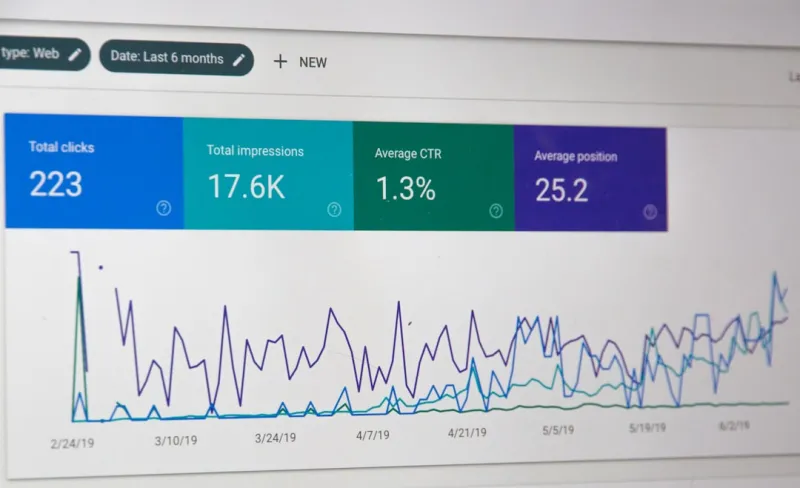
To prove the ROI of an empathy‑driven SEO strategy, blend qualitative insights with hard data. Conduct user surveys that ask how helpful they found the content, and pair these results with metrics like average session duration, pages per session, and organic conversion rates. When you see both sentiment scores and performance numbers climbing, you have a compelling narrative for stakeholders.
Advanced analytics tools also allow us to track “search intent fulfillment” by mapping queries to content that satisfies the underlying need. A rise in the “fulfilled intent” percentage indicates that our empathetic approach is aligning more accurately with what users are truly seeking, a key predictor of long‑term ranking stability.
Regularly sharing these findings with your team reinforces the value of empathy, turning it from a buzzword into a measurable pillar of your SEO strategy. Over time, the data will reveal patterns that guide future content creation, link outreach, and technical enhancements.
Looking Ahead: The Future of Empathy‑Centric SEO
The next wave of SEO will likely be defined by AI‑enhanced personalization, but the foundation will remain human connection. As search engines become better at interpreting user intent, the content that resonates on an emotional level will rise to the top, outpacing generic, keyword‑stuffed pages. This shift means that marketers who invest in empathy now will be ahead of the curve when AI fully integrates intent signals into ranking algorithms.
Moreover, emerging formats like voice search and visual AI demand content that feels conversational and relatable. By practicing empathy today—through storytelling, user‑first design, and authentic outreach—we future‑proof our digital presence against the inevitable evolution of search technology.
In essence, empathy is not just a nice‑to‑have addition; it’s the strategic core that will define which brands thrive in the ever‑changing SEO landscape. Embrace it, measure it, and watch your authority grow organically.

When it comes to the world of blogging and writing, Rose DesRochers is a name that stands out. Her passion for creating quality content and connecting with her audience has made her a trusted voice in the industry. Aside from her skills as a writer and blogger, Rose is also known for her compassionate nature.
Related Posts
The Evolution of SEO: How to Stay Ahead in a Rapidly Changing Landscape
The evolution of SEO is a rapidly changing landscape. Learn how to stay ahead with the latest trends... Read More

From Docs to SERPs: Mining Your SaaS Knowledge Base for SEO Wins
Turn your internal documentation into a search‑engine magnet. Learn a step‑by‑step framework t... Read More
The Future of SEO: Trends to Watch in 2024
The world of SEO is rapidly evolving, and businesses must adapt to stay ahead. Learn about the lates... Read More
Top Posts

Data‑First Link Building: Turning SaaS Insights Into Authority Backlinks
Discover a data‑driven link building framework that leverages proprietary SaaS insights to earn high‑quality backlinks, enhance brand authority, and drive m...Read More

Why Your SaaS Pricing Page Should Be an SEO Powerhouse
The post explains why SaaS pricing pages are untapped SEO gold, offering a step‑by‑step guide to optimize content, schema, internal linking, and backlink ou...Read More

Beyond Rich Snippets: A SaaS Guide to Semantic SEO and Structured Data
Learn how to transform your SaaS site into a semantic powerhouse using structured data, entity‑centric content clusters, and strategic link building to domina...Read More

Turning Customer Stories into a Social Growth Engine
Miranda Murphy shows how SaaS companies can harvest real‑world outcomes, break them into bite‑size social fragments, and amplify them across platforms to cr...Read More
0 Comments
Post Comment
You will need to Login or Register to comment on this post!