
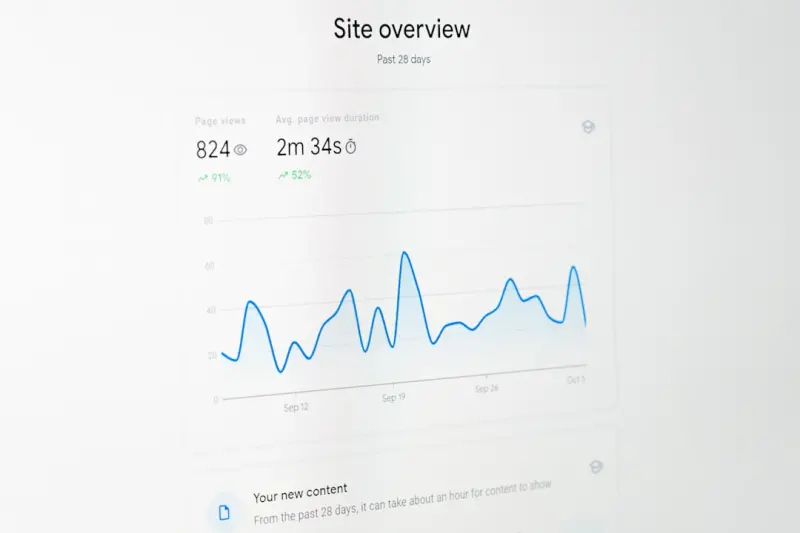
Why Zero‑Click SERP Elements Are the New Branding Engine for SaaS Companies
When I first noticed my organic traffic dip despite solid keyword rankings, I blamed the algorithm. After a deep dive, I realized the real culprit was the rise of zero‑click SERP features—those answer boxes, panels, and carousels that hand users the information they need without ever clicking “Visit site.” If your SaaS brand isn’t intentionally shaping those elements, you’re handing away prime real‑estate on Google’s front page.
Zero‑Click SERPs: What They Are and Why They Matter
In the past, the primary goal of SEO was simple: rank on the first page and collect clicks. Today, the search engine results page (SERP) is a product in its own right. Google now serves:
- Featured snippets (the “quick answer” boxes)
- People Also Ask (PAA) panels
- Knowledge panels and entity cards
- Rich carousels for software, reviews, and events
- Local packs even for non‑local SaaS queries
- Video and image blocks that dominate the top fold
Collectively, these features account for more than 55 % of all organic impressions across major verticals. In other words, a user can get a complete answer without ever touching your URL. For SaaS marketers, that’s both a threat and an opportunity.
Three Mindsets for Dominating Zero‑Click Real Estate
To flip the script, I adopt three mindsets that turn zero‑click SERP dominance from a curiosity into a predictable growth lever.
1. Think Like a SERP Engineer, Not Just an SEO Specialist
Google’s algorithms now prioritize “answerability.” The engine parses your page, extracts concise, structured data, and decides whether to surface it in a snippet. This means you must design content for extraction before you design it for readability.
Practical steps:
- Structure with HTML: Use
<h2>headings for question‑answer pairs,<ul>for bullet lists, and<table>for data sets. Google loves clean, semantically correct markup. - Answer the question in the first 40–50 words. The snippet algorithm often pulls the opening sentence as the answer.
- Implement schema markup—especially
FAQPageandHowTotypes. These signal to Google that your content is ready for a PAA or step‑by‑step carousel.
When you treat the SERP as a publishing platform, you start to see content opportunities that never existed before. For instance, a “How to set up a single‑sign‑on (SSO) for SaaS” guide can become a HowTo snippet that appears above the organic listings, driving brand awareness even if the click‑through rate is modest.
2. Embrace the “Zero‑Click Funnel”
The classic marketing funnel—awareness → consideration → conversion—assumes the user clicks to land on your site. Zero‑click SERPs replace the first two stages with Google’s UI. Your new funnel looks like this:
- SERP visibility (featured snippet, PAA, carousel)
- Brand imprint (logo, tagline, trust signals shown in the snippet)
- Micro‑conversion (user saves the answer, shares it, or clicks a “Learn more” CTA embedded in the snippet)
- Full‑site conversion (only when deeper engagement is required)
Notice that the “click” is no longer the primary KPI. Instead, you measure impression share of zero‑click features and brand lift through surveys or assisted conversions. It’s a mindset shift: you’re selling value before the user ever reaches your domain.
3. Use Zero‑Click Data to Feed Your Content Engine
Every time Google surfaces a snippet from your page, it reveals a data point: this query has high answerability demand. Capture that intel in a dedicated “SERP Insights” dashboard. Track:
- Queries that trigger snippets (both yours and competitors’)
- Snippet position (top of page, “People also ask”, carousel)
- Click‑through rate (CTR) changes after snippet appearance
- Engagement metrics on the downstream page (time on page, bounce rate)
With that data, you can double‑down on high‑value topics, refine your schema, or create supplementary assets (short videos, infographics) that are more likely to be picked up by Google’s visual SERP features.
Case Study: Turning a Knowledge‑Base Article into a Featured Snippet
One of our SaaS clients—an identity‑verification platform—had a comprehensive “What is KYC?” article that consistently ranked #5 for the keyword “KYC definition.” Traffic was steady, but the click‑through rate lingered around 12 %.
We applied the three mindsets:
- Structural overhaul: We rewrote the opening paragraph to answer the question directly—“KYC, or Know Your Customer, is a set of procedures used by businesses to verify the identity of their clients.” We added an
FAQPageschema block with related questions (“Why is KYC important?” and “How does KYC work?”). - Zero‑click funnel design: We embedded a small “Download the full KYC compliance checklist” button inside the snippet using the
SiteLinksSearchBoxmarkup, encouraging users to take a micro‑conversion without leaving Google. - Data loop: After the snippet went live, we saw a 28 % lift in overall impressions and a 5 % increase in assisted conversions (users who later visited the pricing page after seeing the snippet).
The article jumped to the #1 position in the featured snippet slot within two weeks. The client’s brand awareness metrics—measured via aided brand recall surveys—rose by 14 %.
Zero‑Click Tactics That Work Across the SaaS Spectrum
Below are proven tactics you can roll out today, regardless of your product stage.
Optimize for “Answer Boxes” with the “One‑Sentence Rule”
Google prefers succinct answers. Draft a one‑sentence definition or solution that can stand alone. Follow it with a supporting paragraph for depth. This pattern works for both featured snippets and the “People also ask” module.
Leverage “Rich Results” with Structured Data
Implement the following schemas where relevant:
SoftwareApplicationfor product pages (includes price, operating system, and rating)Reviewfor case studies and client testimonialsFAQPagefor support articles and knowledge‑base entries
These schemas give Google a ready‑made template to populate carousel and panel layouts.
Target “How‑To” and “List” Queries
People love quick, actionable steps. Create “how‑to” guides that map directly to HowTo schema. Even a “Top 5 ways to reduce churn in SaaS” post can appear in a carousel, giving you multiple visual slots on the page.
Use “Video” Snippets to Capture Attention
Upload short (30‑second) explainer videos to YouTube, embed them on your landing pages, and add VideoObject markup. Google often surfaces these in a video carousel above the organic listings, dramatically increasing brand exposure.
Claim Your “Knowledge Panel”
For established SaaS brands, a knowledge panel can become a trusted source of facts—founding date, headquarters, key executives. Ensure your corporate website follows Google’s brand guidelines, claim the panel via Google Business Profile, and keep the data up‑to‑date.
How Zero‑Click SERPs Intersect with Other SEO Strategies
Zero‑click optimization isn’t an isolated silo; it amplifies many of the tactics you already use.
Link Building and Authority
When a snippet pulls from your page, it signals to Google that you’re an authority on the topic. That authority can boost the efficacy of traditional link‑building outreach. Think of each snippet as an “earned citation” that complements your backlink profile.
Technical SEO Foundations
A fast, crawlable site remains essential. Google still needs to fetch your content to evaluate snippet eligibility. If you’ve already invested in edge‑first architecture, you’re already ahead—your content loads in milliseconds, and Google’s crawlers can render it without delay.
Content Refresh Cycles
Featured snippets tend to favor fresh content. Schedule quarterly “snippet audits” to ensure your answers stay current, especially for fast‑moving SaaS topics like data privacy regulations or API version changes.
Measuring Success: Metrics That Matter
Because clicks are no longer the primary signal, you need a new KPI suite.
- Snippet Impressions: Available in Google Search Console under “Performance → Search appearance → Featured snippets.”
- Snippet Click‑Through Rate (CTR): Even a 2 % CTR can be valuable if the snippet reaches millions of users.
- Brand Lift: Use brand awareness surveys or Google’s “Brand Lift” studies for paid campaigns that complement organic presence.
- Assisted Conversions: Track users who view the snippet, later navigate to your site via direct or referral traffic, and convert.
- Engagement Metrics: Lower bounce rates and longer session duration on pages that feed snippets indicate high relevance.
Future‑Proofing Your SERP Strategy
Google’s roadmap suggests an even richer SERP ecosystem: AI‑generated “Answer Summaries,” integrated shopping tabs for SaaS subscriptions, and interactive “Ask the Expert” widgets. To stay ahead:
- Invest in AI‑augmented content creation that can produce concise, factual answers at scale.
- Maintain a modular content architecture—think “content atoms” that can be recombined for different snippet formats.
- Monitor emerging schema types (e.g.,
AIAnswerorConversation) and pilot them early.
In short, the SERP is no longer a passive destination; it’s an active stage where your brand can perform. By treating zero‑click features as a branding platform, you capture attention, build trust, and set the stage for deeper engagement—whether or not the user ever clicks.
Take Action Today
Ready to claim your SERP real estate? Follow this three‑day sprint:
- Day 1: Identify 5 high‑traffic, low‑competition queries where you can answer in a sentence. Add
FAQPageschema to the relevant pages. - Day 2: Optimize the HTML structure of those pages—headings, bullet points, and tables. Publish a short video for each and embed
VideoObjectmarkup. - Day 3: Set up a “SERP Insights” view in Google Search Console and start tracking snippet impressions. Adjust copy based on performance.
Within weeks you’ll see your brand surface in places users never thought to click, and you’ll have a new, resilient traffic source that isn’t at the mercy of algorithmic rank‑fluctuations alone.

Jessica Hall is a dynamic freelance writer based in the vibrant city of London, Ontario. As a dedicated single mom, she expertly juggles the demands of parenthood with her passion for storytelling, crafting compelling narratives that resonate with readers. With a background in retail, Jessica brings a unique perspective to her writing, infusing her work with insights drawn from her experiences.
Related Posts

Why SaaS Marketers Should Bet on AI‑Generated SERP Snippets
AI‑generated SERP snippets are redefining search real estate for SaaS brands. This post explains w... Read More
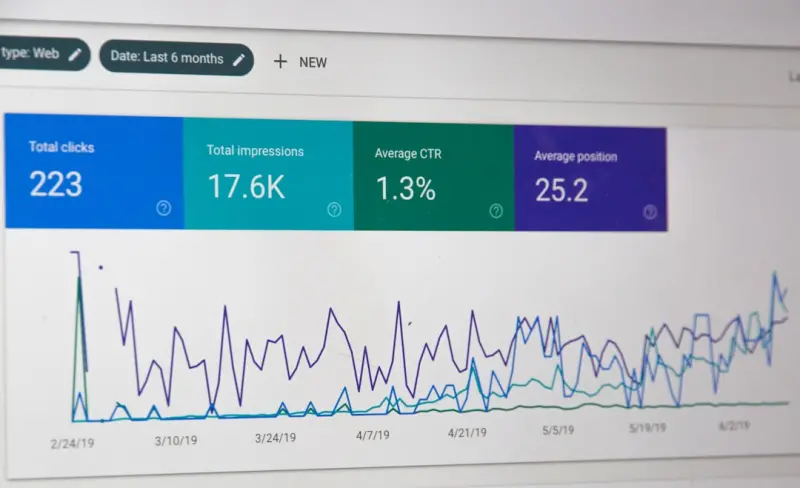
SERP Volatility: Building a Resilient SEO Playbook
SERP volatility can cripple rankings overnight. Discover a resilient SEO playbook that uses monitori... Read More
Riding the SERP Wave: Tom Ferguson’s 2024 Playbook for Search Dominance
In 2024, SERPs are a moving target. Tom Ferguson reveals how to master intent, AI features, and mobi... Read More
Top Posts

Why Real‑Time Social Listening Is the New Brand Compass
Discover how real‑time social listening transforms everyday chatter into actionable insights, guiding product, PR, and paid strategies while building trust an...Read More
Mobile SEO Playbook for B2B SaaS: From Core Web Vitals to PWAs
This guide walks B2B SaaS leaders through a comprehensive mobile SEO strategy—covering Core Web Vitals, progressive web apps, app store optimization, structur...Read More
AI‑First SEO: Rethinking Google Rankings for SaaS in the Age of Generative Search
Learn why traditional keyword tactics no longer suffice as Google’s AI begins to generate answers, and get a step‑by‑step plan to build AI‑ready content...Read More
Mapping Micro‑Moments: A New Blueprint for Google SEO Success
Learn to map micro‑moments to user intent, leverage structured data, and turn fleeting searches into lasting traffic gains....Read More
0 Comments
Post Comment
You will need to Login or Register to comment on this post!