

When I first moved into a tiny downtown loft, I realized the power of “the corner shop you love” conversations. Everyone knew where to get the best bagel, which barber nailed the perfect fade, and which park was the secret spot for sunrise yoga. Those hyper‑local whispers weren’t just small‑talk—they were the lifeblood of community discovery. Fast forward a few years, and I’m still chasing that same energy, but now I’m channeling it into a strategic SEO asset: micro‑local content hubs.
What Exactly Is a Micro‑Local Content Hub?
A micro‑local content hub is a dedicated web space that aggregates and amplifies stories, events, and assets tied to a very specific geographic slice—think a neighborhood block, a historic district, or even a cluster of streets that share a cultural identity. Unlike a generic city‑wide landing page, these hubs drill down to the micro‑level, delivering content that feels tailor‑made for the people who live, work, and wander there.
Why does this matter? Search engines have gotten smarter. Google’s “near me” and “neighborhood” queries now prioritize content that demonstrates genuine relevance to a user’s immediate surroundings. By building a hub that speaks the language of a single neighborhood, you signal to the algorithm (and to humans) that you’re the authority for that micro‑area.
Step‑One: Map the Micro‑Territory
Before you write a single word, you need a precise map of the micro‑territory you want to dominate. Here’s how I do it:
- Define the boundary. Use city planning maps, ZIP+4 codes, or even popular “walking tour” routes to carve out a clear perimeter.
- Identify cultural anchors. These are the coffee shops, murals, historic landmarks, schools, and community centers that give the area its personality.
- Gather local keywords. Plug the neighborhood name into Google’s autocomplete, People Also Ask, and Google Trends. Look for phrases like “best brunch in Old Town” or “family‑friendly park near Riverbend.”
- Scout the competition. Search for those keywords and see which sites are already ranking. Often, you’ll discover a handful of local blogs, the city’s tourism site, or a chamber of commerce page. Those are your benchmarks.
Having a crystal‑clear map not only informs your content topics but also helps you spot link‑building opportunities with hyper‑local partners.
Step‑Two: Craft Neighborhood‑Centric Storytelling
Stories are the glue that holds a community together. Instead of generic “top‑10” lists, focus on narratives that weave together people, places, and events:
- Resident spotlights. Interview long‑time residents or new entrepreneurs. Their personal anecdotes add authenticity and give you natural community storytelling angles.
- Event calendars. Curate a real‑time calendar of farmer’s markets, street fairs, and pop‑up art shows. Include rich snippets so the events appear directly in SERPs.
- Historical deep dives. Research the origin story of a local landmark. Pair the write‑up with archival photos or a short video interview with a local historian.
- Neighborhood guides. Create “A Day in Maplewood” itineraries that combine dining, walking routes, and hidden gems.
These assets not only attract organic traffic but also become link‑magnet content for other local sites looking for high‑quality references.
Step‑Three: Leverage Structured Data for Hyper‑Local Signals
Google loves structured data, especially when it’s used to clarify local intent. By embedding LocalBusiness, Event, and Place schema on your hub pages, you give search engines explicit signals about the geographic relevance of each piece of content.
If you need a refresher on how to implement this without breaking your site, check out our guide on structured data. It walks you through JSON‑LD snippets, testing tools, and best‑practice pitfalls.
Step‑Four: Optimize Crawl Budget for Micro‑Pages
Micro‑local hubs can quickly balloon into dozens of pages—each event, profile, or guide gets its own URL. To make sure Googlebot discovers and indexes them efficiently, you’ll want to be smart about crawl budget. Prioritize high‑value pages, use internal linking to guide bots, and keep your XML sitemap lean.
Our deep dive on crawl budget tactics explains how to audit your site’s crawl efficiency and ensure every neighborhood story gets the attention it deserves.
Step‑Five: Build Hyper‑Local Backlinks
Backlinks remain a cornerstone of SEO, but the relevance of the linking site matters even more for local signals. Here are proven tactics to earn those coveted neighborhood links:
- Partner with local influencers. Micro‑influencers (often with 1k–10k followers) have engaged, location‑specific audiences. Offer them a free product demo or a co‑hosted event in exchange for a mention.
- Sponsor community events. Whether it’s a charity run or a weekend art walk, sponsorships often come with a spot on the event’s website—an authoritative local backlink.
- Collaborate with schools and nonprofits. Offer to write guest posts for their newsletters or provide educational resources, earning a
.orglink back to your hub. - Earn “local guide” citations. Submit your hub to city tourism boards, neighborhood association directories, and “best of” roundup sites.
Step‑Six: Amplify with User‑Generated Content (UGC)
Nothing screams authenticity like content created by locals themselves. Encourage visitors to submit:
- Photos of them enjoying your product at a local park.
- Short video testimonials filmed on the neighborhood’s main street.
- Reviews that reference specific landmarks (“I love this coffee shop because it’s right across from the historic library”).
UGC not only enriches your hub with fresh, keyword‑rich content but also boosts dwell time—an underrated ranking factor.
Step‑Seven: Measure, Iterate, and Scale
Local SEO isn’t a set‑and‑forget strategy. Track performance with these metrics:
- Local keyword rankings. Use a rank‑tracking tool that can filter by city and neighborhood.
- Organic traffic by landing page. Identify which hub pages are the biggest traffic drivers.
- Engagement metrics. Time on page and scroll depth reveal how compelling your neighborhood stories are.
- Conversion signals. For brick‑and‑mortar businesses, measure foot traffic lift via Google My Business insights or in‑store coupon redemptions.
When you spot a page that’s climbing rankings but lagging on conversions, double‑down with a stronger call‑to‑action or an exclusive local offer.
Real‑World Example: The “Riverbend Arts District” Hub
One of our SaaS clients—a digital ticketing platform—wanted to dominate a niche arts district. Here’s how they applied the micro‑local hub framework:
- Boundary definition: They used the city’s “Arts District” zoning map to outline a 0.8‑square‑mile area.
- Story collection: Interviews with three mural artists, a local jazz club owner, and the district’s historic society yielded 12 unique stories.
- Structured data: Each artist profile used
Personschema, while event pages leveragedEventmarkup. - Crawl budget: They set the sitemap to include only the hub’s 30 pages, ensuring Google crawled each story weekly.
- Backlink outreach: Partnered with the district’s official website and a local tourism blog, netting two high‑authority
.govand.orgbacklinks. - UGC push: Launched a “Show Your Art” Instagram contest, pulling 250 user photos that were later embedded on the hub.
The result? Within three months, the hub ranked on the first page for “Riverbend murals,” “live jazz Riverbend,” and “Riverbend art events.” The client reported a 27% increase in ticket sales from locals and a noticeable uptick in out‑of‑town visitors using the “near me” searches.
Common Pitfalls (And How to Avoid Them)
- Over‑optimizing with exact‑match keywords. Google penalizes stuffing. Keep the language natural and focus on relevance.
- Neglecting mobile experience. Neighborhood searches happen on‑the‑go. Ensure pages load fast and are mobile‑friendly.
- Ignoring reviews. Encourage satisfied customers to leave reviews on Google My Business; they feed directly into local SERP snippets.
- Letting content go stale. Local events change weekly. Set a content calendar to refresh calendars, guides, and photo galleries.
Future‑Proofing Your Micro‑Local Strategy
As voice assistants become more entrenched, people will increasingly ask, “Where can I find a vegan bakery near me?” That query will be answered by the most relevant, hyper‑local content hub that Google trusts. By establishing your micro‑local authority now, you’ll be the first name the assistant says.
Moreover, AI‑generated content can help you scale. Use AI to draft first‑pass neighborhood descriptions, then layer on human‑sourced anecdotes and data. The blend of machine efficiency and human authenticity yields a powerful SEO engine.
In short, micro‑local content hubs transform a patchwork of neighborhood chatter into a cohesive, searchable narrative. When you invest in mapping, storytelling, structured data, and genuine community partnership, you’re not just ranking for “near me” queries—you’re becoming the digital heartbeat of the area.
If you’re ready to start building your own micro‑local hub, begin with a simple map of the block you love. From there, let the stories flow, the data speak, and the search engines follow.

Becky Putman is an Ottawa-based freelance writer and marketing professional with a passion for storytelling, animals, and community involvement. She enjoys creating engaging content that informs, inspires, and connects with readers.
Related Posts

From Neighborhood to Net: Turning Physical Offices into SEO Gold
Discover a step‑by‑step framework for leveraging every office address as a local SEO catalyst, f... Read More

From Brick to Click: Turning Your SaaS Office Into a Local SEO Powerhouse
Learn a data‑driven, community‑centric local SEO playbook that transforms a SaaS office into a s... Read More

Why Local SEO is More Important Than Ever for Small Businesses
Local SEO is more important than ever for small businesses. Learn how to optimize your online presen... Read More
Top Posts

Riding the 2024 Social Strategy Wave: Brandy Miller’s Insider Playbook
Brandy Miller shares her insider tactics for mastering social media in 2024, from authentic community building to blending SEO and influencer partnerships for l...Read More

Mobile SEO Playbook for B2B SaaS: From Core Web Vitals to PWAs
This guide walks B2B SaaS leaders through a comprehensive mobile SEO strategy—covering Core Web Vitals, progressive web apps, app store optimization, structur...Read More
Google SEO Tips and Advice
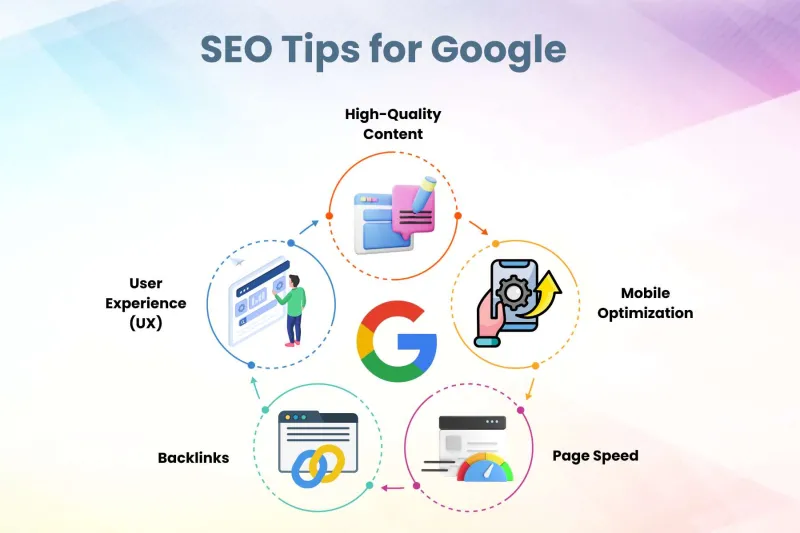
Mastering Google SEO requires a shift from chasing algorithms to prioritizing user value. This guide covers essential technical, content, and authority-building...Read More

Conversational Marketing: How Chatbots Are Redefining SaaS Lead Generation
Conversational marketing turns static website visits into dynamic, real‑time dialogues, helping SaaS companies capture higher‑quality leads, personalize exp...Read More
0 Comments
Post Comment
You will need to Login or Register to comment on this post!