
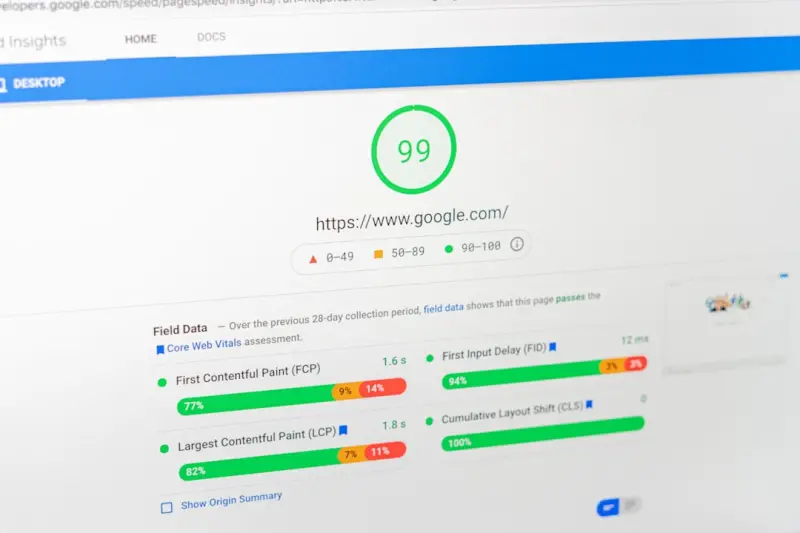
Understanding the Rise of Zero‑Click Search
In the past few years, search engines have shifted from merely listing links to delivering answers directly on the results page, a trend that has reshaped how brands think about visibility. When a user’s query is answered by a knowledge panel, featured snippet, or instant answer, the traditional click‑through metric collapses, leaving marketers wondering how to prove value without a physical click. Zero‑click search therefore isn’t a bug in the system—it’s a new metric of influence that rewards relevance, authority, and concise, structured content.
Why Zero‑Click Matters for Your Brand’s Bottom Line
Even though a user may never land on your site, the exposure generated by a featured snippet or a “People also ask” box can drive brand awareness, improve perceived expertise, and influence purchasing decisions downstream. Studies show that users often trust the first answer they see, treating the search engine as an extension of the brand itself; this trust translates into higher conversion odds when the user finally engages. To capitalize on this, businesses must treat every SERP placement as a mini‑landing page, optimizing for clarity, relevance, and a compelling brand voice.
Data Sources That Reveal Zero‑Click Opportunities
Identifying where zero‑click potential exists begins with a deep dive into query intent data, impression metrics, and the “position zero” report available in most analytics platforms. Look for high‑impression queries that show a low click‑through rate; those are prime candidates for a snippet or knowledge panel takeover. Complement this with tools that surface the exact format Google prefers—whether it’s a list, a table, or a concise definition—so you can tailor your content to the algorithm’s expectations.
Crafting Answer Boxes and Featured Snippets That Convert
The anatomy of a successful snippet is simple yet precise: a clear, succinct answer followed by supportive context that reinforces the answer’s credibility. Start each answer with the exact phrase a user might type, then expand in a single sentence that provides depth without overwhelming the limited space. Embedding relevant keywords naturally, using bullet points for list‑type queries, and anchoring the content with authoritative citations will signal to the engine that your page deserves that coveted top‑of‑page spot.
Leveraging Structured Data for Knowledge Panels
Structured data is the language that tells search engines how to interpret and display your information, turning raw HTML into a polished knowledge panel. Implementing schema.org markup such as Organization, Person, or FAQ can surface your brand’s key details—address, contact info, social links—directly in the SERP, bypassing the need for a click entirely. Regularly audit your markup with testing tools to ensure it remains error‑free and aligns with the latest schema updates, because even a small syntax mistake can prevent your panel from appearing.
Integrating User‑Generated Content for Authority
Search engines increasingly value authentic, community‑driven answers, which means reviews, Q&A, and forum posts can become powerful zero‑click assets. Encourage satisfied customers to leave detailed reviews on your site and third‑party platforms, then surface those insights using Review and AggregateRating markup. When a user searches for “best eco‑friendly detergent,” a well‑structured review snippet can appear, positioning your product as the top recommendation without a single click.
Measuring Success When Clicks Disappear
Traditional metrics like organic traffic and click‑through rate no longer capture the full picture; instead, focus on impression share, brand lift studies, and assisted conversions. Set up goal funnels that track downstream actions—such as newsletter sign‑ups or phone calls—that occur after a user interacts with a zero‑click result. Tools that integrate SERP impression data with CRM platforms can reveal the hidden ROI of an answer box, proving that influence can be quantified even without direct site visits.
Future Trends and a Playbook for Ongoing Dominance
As AI assistants and voice‑first devices become more prevalent, the line between search and conversation will blur, making zero‑click optimization a cornerstone of any digital strategy. Stay ahead by regularly auditing your content for snippet‑friendly formatting, expanding your schema portfolio, and monitoring emerging answer formats like carousel cards or video snippets. For deeper technical guidance, explore our technical crawl strategies and consider applying authoritative link‑building tactics to reinforce the authority signals that power zero‑click rankings.

Tammy French is a Montessori Teaching Assistant and freelance writer passionate about education, creativity, and inspiring lifelong learning through engaging content.
Related Posts
The Future of SEO: Navigating the Ever-Changing Landscape
Discover the future of SEO and how to navigate the ever-changing landscape. Learn about mobile-first... Read More
From Clicks to Commitment: SEO Strategies That Drive SaaS Subscriptions
Learn how to align SEO with the subscription funnel, prioritize high‑value keywords, craft convers... Read More
Human‑Centric SEO: Why Authenticity Beats Algorithms
Explore how blending authentic storytelling, genuine outreach, and technical precision creates a res... Read More
Top Posts

Technical SEO in the Age of Empathy: Why Human‑Centric Signals Matter
Technical SEO isn’t just code—it’s about listening to users. Explore empathy‑driven tactics that align crawl budget, structured data, and mobile‑first...Read More
Core Web Vitals: The SaaS SEO Accelerator
Core Web Vitals are the new gatekeepers for SaaS SEO. This guide explains LCP, FID, and CLS, offers a practical roadmap to optimize them, and shows how performa...Read More
Zero‑Click SEO for SaaS: How to Own the SERP Spotlight
Zero‑click search is reshaping how SaaS buyers find answers. This guide shows you how to use schema markup, concise answer‑first content, and AI‑powered t...Read More

Sustainable Packaging: The Secret Engine Driving eCommerce Growth
Sustainable packaging isn’t just good for the planet—it’s a powerful growth driver for eCommerce brands. Learn how to audit, design, and market greener bo...Read More
0 Comments
Post Comment
You will need to Login or Register to comment on this post!