
When most SaaS marketers think about SEO, they picture keyword research, backlink outreach, or the occasional blog post. What they often overlook is the quiet, systematic power of structured data. By speaking the language that search engines understand natively, you turn a bland landing page into a rich, searchable asset that can surface in ways your competitors can’t even imagine.
Why Structured Data Matters for SaaS
Search engines have evolved from simple crawlers that index raw HTML to sophisticated knowledge graphs that connect entities, facts, and user intent. Structured data—the markup that tells a search engine “this is a product, this is a rating, this is an FAQ”—is the bridge between your SaaS offering and that knowledge graph.
- Visibility Boost: Rich results (FAQ boxes, star ratings, “software” cards) occupy more real estate on the SERP, increasing click‑through rates without extra ad spend.
- Trust Signals: When Google displays a rating or a price directly in the result, users perceive the listing as vetted and authoritative.
- Future‑Proofing: Voice assistants, visual search, and AI‑driven discovery all rely on structured signals. Getting ahead now means you’ll be ready for the next wave of search.
Mapping SaaS Assets to Schema.org Types
Schema.org provides a taxonomy of markup types. For SaaS, the most relevant are:
SoftwareApplication– describes the core product, its operating system, pricing model, and feature set.FAQPage– captures common prospect questions, ideal for support‑driven content.Review– aggregates customer testimonials and third‑party ratings.ArticleandBlogPosting– for thought leadership pieces that support the product narrative.BreadcrumbList– clarifies site hierarchy, especially useful for multi‑tier pricing pages.
Start by auditing your existing pages. Which of these schemas naturally fit? A pricing page, a feature comparison chart, a case study, or a tutorial? Tag them accordingly.
Step‑by‑Step Implementation Guide
- Identify High‑Value Pages – Prioritize pages that drive the most traffic or conversions: home page, pricing, feature overviews, and customer success stories.
- Select the Right Schema – Match each page to the most appropriate schema type. For a pricing page, combine
SoftwareApplicationwithOffermarkup to surface price, currency, and availability. - Choose a Markup Format – JSON‑LD is Google’s preferred format. It can be injected via a CMS template, a tag manager, or server‑side rendering.
- Populate Required Fields – Every schema has required properties. For
SoftwareApplication, you must includename,operatingSystem, andoffers. Missing fields cause the markup to be ignored. - Validate with Google’s Tools – Use the Rich Results Test and the Structured Data Testing Tool. Fix any warnings before you go live.
- Monitor Impact – In Search Console, watch the “Enhancements” report for impressions, clicks, and errors related to your markup.
Real‑World Example: Turning a Feature Page into a Rich Result
Imagine a SaaS product that offers a “Collaboration Hub” feature. The typical page includes a headline, a screenshot, a bulleted list of benefits, and a CTA. By adding SoftwareApplication markup with an offers sub‑property, you can surface:
- Feature name and description
- Pricing tier (Free, Pro, Enterprise)
- Availability (Online, Mobile)
- Customer rating (if you have reviews)
The result? A Google SERP entry that looks like a mini‑product card, complete with star rating and price, drawing clicks from users who were previously scrolling past plain text listings.
Integrating Structured Data with Existing SEO Workflows
Most SaaS teams already have processes for keyword research, content calendars, and backlink outreach. Structured data can slot into those pipelines without disruption:
- Content Planning: When you outline a new blog post, add a
FAQPageschema checklist. Draft the question/answer pairs early, ensuring they align with user intent. - Product Updates: Every time a new feature rolls out, update the corresponding
SoftwareApplicationmarkup. Automation scripts can pull data from your product database to keep JSON‑LD in sync. - Link Building: High‑quality structured data often attracts natural backlinks. When a reputable tech site embeds a “best‑of” widget that pulls your
Reviewschema, you earn a contextual link without outreach.
Measuring Success Beyond Rankings
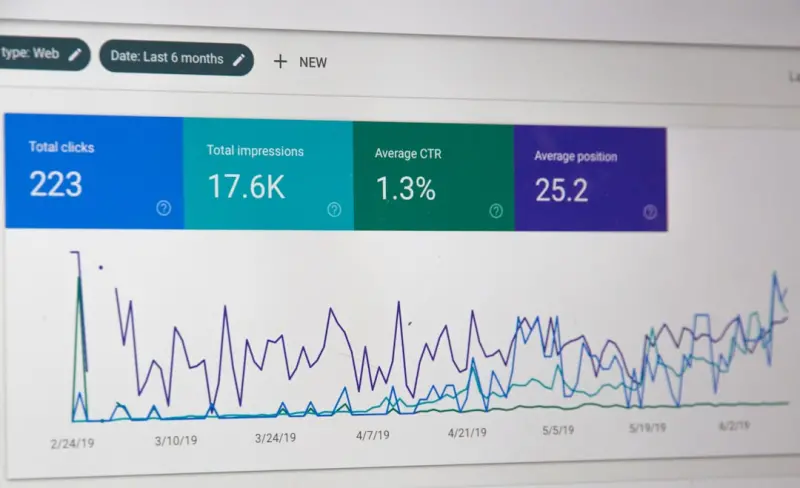
Rich results are measured differently from traditional organic rankings. Look for these signals in Search Console:
- Impression Lift: A sudden spike in impressions for a page after markup deployment indicates Google is now surfacing it more prominently.
- CTR Improvement: Rich snippets typically boost click‑through rates by 20‑30%.
- Engagement Metrics: Lower bounce rates and longer session durations suggest the richer SERP preview attracted more qualified users.
If you don’t see immediate gains, revisit your markup. Missing required fields or using the wrong type are common culprits.
Common Pitfalls and How to Avoid Them
Even seasoned SEO teams stumble over a few traps:
- Over‑Markup: Adding every possible property looks spammy. Stick to what’s relevant and accurate.
- Duplicate Markup: Don’t place the same JSON‑LD on multiple pages; each page should describe its own content.
- Stale Data: If a price changes, update the
Offermarkup promptly. Inconsistent data can trigger manual actions. - Ignoring Mobile: Structured data is parsed the same across devices, but ensure your markup loads quickly on mobile‑first sites.
Leverage Existing Resources for a Faster Rollout
Our Crawl Budget Mastery guide explains how to prioritize pages for search engine bots—structured data fits naturally into that prioritization. Likewise, the Cross‑Border SEO article shows how schema can be localized, ensuring international SERPs display the correct currency, language, and regional pricing.
Future Trends: Structured Data Meets AI
Google’s generative AI layer (often referred to as “MUM”) consumes structured data to generate concise answers. As AI assistants become more prevalent, the fidelity of your schema will directly influence whether your SaaS solution appears in a conversational response.
Preparing for that future is simple: keep your markup clean, up‑to‑date, and aligned with the official Schema.org specifications. When new types emerge—say, AIModel or SubscriptionPlan—add them early to stay ahead.
Action Plan for SaaS Leaders
- Run a schema audit on all high‑traffic pages within the next two weeks.
- Choose a JSON‑LD implementation method that matches your tech stack (CMS plugin, tag manager, or server‑side injection).
- Update at least three core pages (home, pricing, feature) with
SoftwareApplicationmarkup this month. - Publish an FAQPage for each major product vertical, using real prospect questions from your sales team.
- Set up a monthly monitoring cadence in Search Console to track rich result performance.
In a crowded SaaS landscape, technical differentiation is a luxury. Structured data offers a pragmatic, low‑cost lever that can amplify your existing SEO investments. Treat it as an integral part of product development—not an afterthought—and watch your visibility—and revenue—grow in tandem.

Lifan Chen is a freelancer based in Toronto specializing in marketing. With expertise in crafting effective marketing strategies and campaigns, Lifan helps businesses grow their brand presence and reach target audiences. As a Toronto-based freelancer, Lifan combines local market insights with creative marketing skills to deliver tailored solutions for clients.
Related Posts

Mastering Entity SEO: Speak the Language of Modern Search
Learn how to map and optimize entities for search engines, create semantic content clusters, and fut... Read More

Visual Search SEO: Turning Images and AR Into Ranking Power
Learn to boost rankings with image schema, AR assets, and community photos. A step‑by‑step visua... Read More

How to Future‑Proof Your SaaS SEO for AI‑Driven Search
AI‑driven search is reshaping how SaaS companies get discovered. Learn how to map user intent, lev... Read More
Top Posts

Turning Zero‑Party Data into Your eCommerce Superpower
Discover why zero‑party data is the new gold standard for eCommerce, how to gather it responsibly, and practical tactics to turn shopper preferences into pers...Read More
Link Building in a Privacy‑First SaaS Landscape
Traditional link building no longer works for SaaS. This post reveals a privacy‑first, partnership‑driven approach that creates high‑quality backlinks thr...Read More

The Mobile-First Revolution: How to Stay Ahead in Mobile SEO
The mobile-first revolution is here to stay. Learn how to optimize your website for mobile SEO and stay ahead of the competition with expert tips and strategies...Read More

Micro‑Influencer Partnerships: How Small Voices Create Big Brand Wins
Explore the power of micro‑influencers: authentic collaborations, measurable ROI, and scalable community‑first strategies that transform brand marketing....Read More
0 Comments
Post Comment
You will need to Login or Register to comment on this post!