
Local SEO in 2024: A Comprehensive Guide
As a seasoned digital marketer, I've seen the landscape of local SEO evolve significantly over the years. With the rise of voice search, mobile-first indexing, and Google's ever-changing algorithms, it's crucial for businesses to stay ahead of the curve. In this article, I'll share my insights on the current state of local SEO and provide actionable tips for businesses to dominate their local market.
Understanding Local SEO
Local SEO is the process of optimizing your website and online presence to rank higher in local search results. This involves a combination of on-page optimization, technical SEO, and off-page signals. With Google's emphasis on local search, businesses need to ensure they're visible in local search results to attract more customers. According to a recent study, 76% of people who search for something nearby on their smartphone visit a related business within a day, and 28% of those searches result in a purchase.
To improve your local SEO, focus on optimizing your Google My Business listing, building high-quality local citations, and creating content that's relevant to your local audience. For instance, a well-optimized Google My Business listing can increase your chances of appearing in the local pack, which can drive more foot traffic to your business.
The Importance of Online Reviews
Online reviews play a critical role in local SEO. They not only influence consumer purchasing decisions but also impact your search rankings. Positive reviews can improve your visibility in local search results, while negative reviews can harm your reputation. To encourage customers to leave reviews, make sure to provide excellent customer service and follow up with a request for feedback. You can also respond promptly to all reviews, both positive and negative, to show that you value your customers' feedback.
Optimizing for Voice Search
Voice search is becoming increasingly popular, with smart speakers and voice assistants changing the way people search for information. To optimize for voice search, focus on creating content that's conversational and natural-sounding. Use long-tail keywords and phrases that mimic how people speak. For example, instead of targeting "coffee shop," target "what's the best coffee shop near me?" or "coffee shops open late near me."
The Role of Content Marketing
Content marketing is a crucial component of local SEO. By creating high-quality, relevant content, you can attract more visitors to your website and improve your search rankings. Focus on creating content that's specific to your local audience, such as blog posts about local events, news, or trends. You can also create content that's optimized for specific keywords and phrases, such as "best restaurants in [city]" or "top attractions in [state]."
Technical SEO for Local Businesses
Technical SEO is essential for local businesses, as it ensures that your website is crawlable, indexable, and provides a good user experience. Make sure your website is mobile-friendly, as this is now a key ranking factor. You should also optimize your website's loading speed, as slow-loading websites can negatively impact your search rankings. Additionally, ensure that your website has a secure protocol (HTTPS) and an XML sitemap to help search engines understand your website's structure.
The Impact of Artificial Intelligence on Local SEO
Artificial intelligence (AI) is changing the landscape of local SEO. Google's algorithms are becoming increasingly sophisticated, using machine learning to better understand search queries and provide more accurate results. To stay ahead of the curve, focus on creating high-quality, relevant content that provides value to your audience. You should also stay up-to-date with the latest AI trends and adjust your local SEO strategy accordingly.
Measuring Success in Local SEO
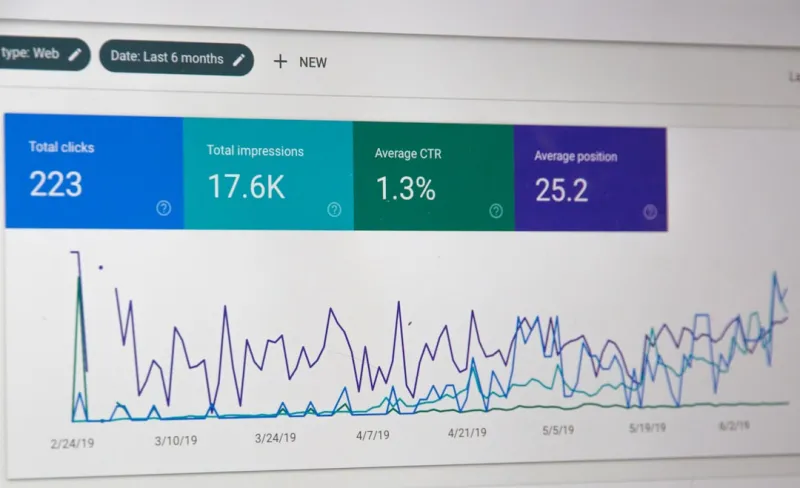
Measuring success in local SEO requires tracking key metrics such as search rankings, website traffic, and conversion rates. Use tools like Google Analytics and Google Search Console to monitor your website's performance and adjust your strategy accordingly. You should also track your online reviews and ratings, as these can impact your search rankings and reputation.
Conclusion
In conclusion, local SEO is a complex and ever-evolving field that requires ongoing effort and optimization. By focusing on key areas such as online reviews, voice search, and technical SEO, businesses can improve their visibility in local search results and attract more customers. Remember to stay up-to-date with the latest trends and best practices in local SEO, and adjust your strategy accordingly. With the right approach, you can dominate your local market and drive more sales.
Future-Proofing Your Local SEO Strategy
To future-proof your local SEO strategy, stay informed about the latest trends and updates in the industry. For instance, staying ahead of the curve in digital marketing can help you adapt to changes in the local SEO landscape. Additionally, focus on creating high-quality, relevant content that provides value to your audience. By doing so, you'll be well on your way to dominating your local market and driving more sales.
Final Tips and Recommendations
Finally, here are some additional tips and recommendations for businesses looking to improve their local SEO:
- Optimize your Google My Business listing and ensure it's accurate and up-to-date.
- Build high-quality local citations to improve your online visibility.
- Create content that's relevant and valuable to your local audience.
- Focus on providing excellent customer service and encourage customers to leave reviews.
- Stay up-to-date with the latest trends and best practices in local SEO.
By following these tips and staying focused on your local SEO strategy, you can improve your online visibility, drive more sales, and dominate your local market.

Lifan Chen is a freelancer based in Toronto specializing in marketing. With expertise in crafting effective marketing strategies and campaigns, Lifan helps businesses grow their brand presence and reach target audiences. As a Toronto-based freelancer, Lifan combines local market insights with creative marketing skills to deliver tailored solutions for clients.
Related Posts

Neighborhood Trust: How SaaS Brands Can Win Local Search Without a Brick‑and‑Mortar
Discover a fresh local SEO strategy tailored for SaaS firms that leverages geographic keywords, opti... Read More

Micro‑Local Content Hubs: Turning Your Neighborhood Into a Ranking Engine
Learn how to map, create, and promote micro‑local content hubs that turn neighborhood stories into... Read More

Neighborhood Networks: A Fresh Take on Local SEO
Explore innovative local SEO tactics that go beyond citations, leveraging genuine neighborhood allia... Read More
Top Posts

Harvesting Unlinked Brand Mentions: A Sustainable Link‑Building Method
Discover how to convert unlinked brand mentions into powerful backlinks, boost SEO, and foster genuine industry relationships through a systematic, value‑firs...Read More

SEO Strategy: Using Product‑Led Growth Metrics to Supercharge Your Rankings
Discover a fresh SEO strategy that leverages product‑led growth data—activation rates, retention scores, and expansion revenue—to prioritize content, earn...Read More

Conversational Marketing: How Chatbots Are Redefining SaaS Lead Generation
Conversational marketing turns static website visits into dynamic, real‑time dialogues, helping SaaS companies capture higher‑quality leads, personalize exp...Read More

Building Community Content Hubs to Supercharge Your Local SEO
Learn how to create and leverage community content hubs that turn local searches into loyal customers, using strategic partnerships, event listings, and hyperâ€...Read More
0 Comments
Post Comment
You will need to Login or Register to comment on this post!