
Why Community Storytelling Is the Secret Sauce for Local SEO
When I first moved into my current neighborhood, the first thing I did was wander the block with a notebook in hand, jotting down the names of the bakery that still greets you with a warm croissant, the corner gym where the owners remember your name after just one visit, and the tiny park where kids trade marbles at sunset. I wasn’t just cataloguing places—I was collecting stories. Little did I know that this habit would become the backbone of my most successful local‑SEO campaigns.
Local SEO has evolved far beyond the classic “Google My Business” checklist. Today, search engines are looking for relevance, authority, and, surprisingly, the human element. They want to know not just what a business is, but how it fits into the fabric of the community. That’s where community storytelling steps in, turning static data into living narratives that both users and algorithms love.
The Anatomy of a Hyperlocal Narrative
Think of a hyperlocal narrative as a three‑layered sandwich:
- Foundational Facts: Accurate NAP (Name, Address, Phone) data, business hours, and service area.
- Contextual Content: Blog posts, videos, or social snippets that reference local events, landmarks, or cultural quirks.
- Human Stories: Customer testimonials, employee spotlights, and behind‑the‑scenes glimpses that showcase personality.
When these layers are stacked together, search engines see a rich, multidimensional picture of a business, and users feel a genuine connection. The result? Higher rankings, more clicks, and, most importantly, foot traffic that converts.
How to Harvest Stories From Your Community
Gathering authentic stories doesn’t have to feel like a chore. Here are five proven tactics that have helped me turn everyday interactions into SEO gold:
- Host Micro‑Events. Partner with a local charity for a pop‑up fundraiser or invite neighbors to a “Coffee & Canvas” night. Capture photos, quotes, and short videos. These assets are perfect for blog posts that signal community involvement.
- Launch a “Local Hero” Series. Spotlight a long‑time customer or an employee who’s made a difference in the neighborhood. A simple interview can generate a compelling piece that earns local backlinks and social shares.
- Leverage User‑Generated Content. Encourage patrons to tag your location on Instagram or leave detailed reviews on platforms like Yelp. Repurpose the best submissions into a weekly roundup on your site.
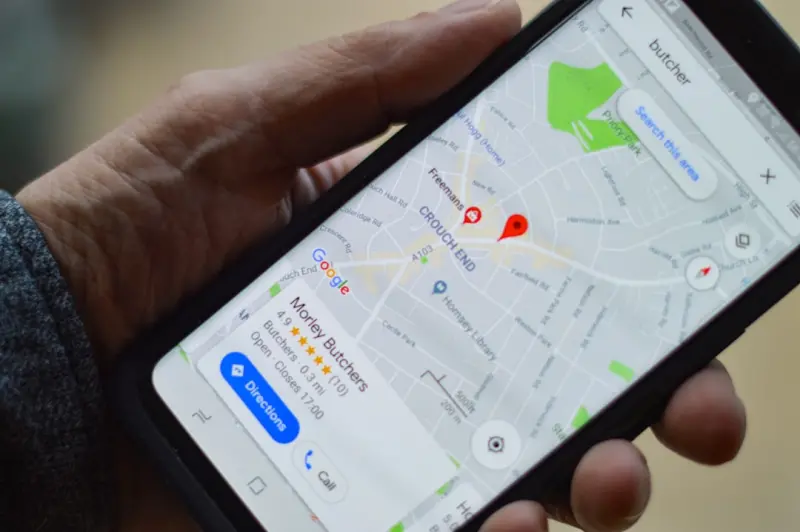
- Map the Neighborhood. Create a visual guide of nearby attractions and explain how your business fits into the local itinerary. This not only provides valuable information but also boosts relevance for “near me” searches.
- Tap Into Seasonal Traditions. Whether it’s a summer street fair or a winter holiday market, weave these events into your content calendar. Search engines love timely, location‑specific signals.
Optimizing Story‑Driven Content for Search Engines
Now that you have a treasure trove of stories, it’s time to make them searchable. Here’s where the technical side meets the human side:
- Schema Markup. Use
LocalBusinessandArticleschema to tag your stories, making it easier for Google to surface them in rich results. - Geo‑Targeted Keywords. Sprinkle neighborhood names, nearby landmarks, and colloquial terms throughout your copy. Think “downtown loft coffee” instead of just “coffee shop”.
- Internal Linking. Connect each story to a central hub page that outlines your services and location. This boosts site architecture and signals relevance. For example, you can learn more about structuring your content with semantic topic clusters.
- Voice Search Compatibility. Many “near me” queries are spoken. Phrase your content as answers to conversational questions like “Where can I find the best vegan bakery in town?” – a tactic explored in depth through voice search optimization.
Measuring the Impact: From Stories to Sales
Storytelling isn’t just feel‑good fluff; it drives measurable results. Track these key metrics to prove ROI:
- Organic Visibility. Monitor local pack rankings for target keywords before and after publishing a story.
- Engagement Metrics. Look at average time on page, scroll depth, and social shares to gauge how resonant your narratives are.
- Foot Traffic. Use Google My Business insights or in‑store QR codes to attribute physical visits to specific content pieces.
- Conversion Rate. Tie online leads (like appointment bookings) directly to the story that inspired the click.
In my experience, a well‑crafted community story can lift local pack visibility by 20‑30% within a few weeks, while simultaneously increasing in‑store visits by a similar margin. The synergy between authentic content and technical optimization creates a virtuous loop that fuels sustained growth.
Scaling Your Narrative Engine Without Losing Authenticity
For larger businesses with multiple locations, the challenge is maintaining a genuine voice across each market. Here’s a scalable framework:
- Local Content Leads. Appoint a dedicated point person at each location to curate stories and liaise with the central marketing team.
- Template‑Based Storytelling. Provide a flexible story template that includes sections for “Community Impact”, “Customer Spotlight”, and “Local Event”. This ensures consistency while allowing local flavor.
- Centralized Asset Library. Store photos, videos, and interview transcripts in a shared cloud folder. This makes it easy for any location to pull high‑quality assets.
- Automated Reporting. Use dashboards that pull in rankings, traffic, and foot‑traffic data per location, so you can see which stories are moving the needle.
Even with this structure, keep the heart of each story rooted in the real experiences of the people who live there. Automation should support, not replace, the human connection.
Future‑Proofing Your Local SEO with Community Narratives
As search engines continue to integrate AI and machine learning, the ability to surface content that feels genuinely local will become a differentiator. Machines are getting better at understanding context, sentiment, and the nuances of language. By feeding them a steady stream of authentic community stories, you’re essentially training the algorithm to recognize your business as an integral part of the neighborhood ecosystem.
In the coming years, expect to see more “knowledge panel” expansions that include local anecdotes, event calendars, and even user‑generated video snippets. Brands that have already built a robust narrative foundation will be ready to plug into these emerging formats with minimal friction.
Bottom line: Community storytelling is not a fleeting trend—it’s a strategic pillar that aligns brand authenticity with the technical demands of modern local SEO. Start collecting, crafting, and publishing those neighborhood tales today, and watch your local search presence transform from a bland listing into a vibrant community hub.

Nikki McDonald is a freelancer based in Waterloo. She brings her skills and expertise to various projects, balancing her professional work with a personal life that includes her husband, Stewart.
Related Posts

Mastering Local SEO: Authentic Strategies to Own Your Neighborhood
Learn how to blend authenticity, AI tools, and human‑centric link building to dominate local searc... Read More

How Authentic Local SEO Beats Algorithms and Drives Community Trust
Learn how authentic, community‑centric strategies can transform your local SEO, turning search vis... Read More

The Secret Sauce of Local SEO: Turning Customer Stories into Ranking Power
Discover a community‑driven local SEO playbook that uses real customer stories, employee advocacy,... Read More
Top Posts

Empower Your Team: A Playbook for Turning Employees into Social Media Superstars
Discover a step‑by‑step guide to turn every employee into a brand ambassador, measure real ROI, and integrate advocacy with ABM for powerful B2B SaaS growth...Read More

Human‑Centric Social Strategy: Turning Talk into Tangible Growth
Explore the shift to human‑centric social tactics, linking conversation depth with SEO, mobile trust engines, and AI‑augmented engagement for measurable gro...Read More

Riding the 2024 Social Media Wave: Insider Strategies from My Playbook
Kelly Reynolds shares her proven 2024 social media playbook, blending authentic storytelling, data insights, and cross‑channel strategies to boost engagement ...Read More

Unlocking Crawl Efficiency: Log File Analysis Meets Modern Technical SEO
Learn to harness server logs for smarter crawl budgeting, faster indexing, and a healthier site architecture—all without overhauling your code....Read More
0 Comments
Post Comment
You will need to Login or Register to comment on this post!