

Why SERP Real Estate Is the New Battlefield for SaaS Brands
When I first started tinkering with search, I treated the SERP like a static billboard: rank #1 and you win. Today the page is a bustling marketplace of answer boxes, videos, carousels, and Zero‑Click SERPs that siphon clicks before a user ever sees a traditional blue link. For SaaS companies, the goal has shifted from “be the first result” to “own the real estate that aligns with the buyer’s intent, wherever it lives on the page.”
Mapping the SERP Landscape: From Blue Links to Feature Clusters
The modern SERP resembles a city block rather than a single storefront. Below is a quick snapshot of the most common feature clusters you’ll encounter:
- Knowledge Panels & Answer Boxes – Google’s attempt to answer a question instantly.
- Featured Snippets & AI‑Generated Summaries – Short excerpts that often sit above the organic list.
- Video & Image Carousels – Visual assets that dominate the top of the page for “how‑to” queries.
- People Also Ask (PAA) – Expands the question tree, offering multiple entry points.
- Local Packs & Reviews – Even SaaS products with a regional focus can surface here.
- Product & Shopping Results – Rare for pure‑play SaaS but increasingly relevant for platforms that sell add‑ons or integrations.
Each cluster is a slice of the user’s decision journey. Ignoring any one of them is akin to leaving a storefront door unlocked and hoping customers will walk in through the window.
Prioritizing Features Based on Search Intent
Not every feature is worth chasing. The first step is to classify your core queries by intent:
- Informational – Users are learning. Ideal for Knowledge Panels, Answer Boxes, and PAA.
- Navigational – Users know your brand. Featured Snippets and branded carousels work best.
- Transactional – Users are ready to buy or trial. Product cards, reviews, and pricing tables become critical.
Map each intent bucket to the SERP features that Google typically serves for those queries. For example, a “what is churn rate” query is informational and will likely trigger an Answer Box or AI snippet, whereas “best SaaS CRM for startups” leans toward a carousel of product cards.
Data‑Driven Feature Targeting: Turning SERP Maps Into Actionable Roadmaps
The secret sauce here is data. Pull SERP snapshots for your top 30 target keywords using a crawler that records not just rankings but the exact feature layout. Build a matrix that looks like this:
| Keyword | Feature(s) Present | Current Position | Opportunity Score |
|---|---|---|---|
| “SaaS churn calculator” | Answer Box, PAA | 3rd (PAA) | High – Capture Answer Box |
| “API monitoring tools” | Featured Snippet, Video Carousel | 7th (Organic) | Medium – Optimize Snippet |
Assign a weighted score based on search volume, conversion potential, and feature difficulty. This quantifies where you should invest first.
Building Structured Data Foundations
Google’s ability to surface features hinges heavily on schema markup. For SaaS, the most valuable types include:
- SoftwareApplication – Highlights pricing, features, and reviews.
- FAQPage – Powers PAA and Answer Boxes when you format common support questions.
- VideoObject – Enables video carousels for tutorial content.
- BreadcrumbList – Improves navigation cues in the SERP.
Deploying these schemas across product pages, help centers, and blog posts is a low‑effort, high‑reward tactic. Use Google’s Rich Results Test to validate before you push live.
The Role of AI‑Generated Snippets
Google’s AI models now generate snippets that synthesize information from multiple pages. If your content is fragmented, the model may pull from a competitor’s blog instead of yours. The antidote is to create comprehensive, authoritative pillars that answer a query in full, and then AI snippets can lift your content into that prime position.
Key practices:
- Write concise, fact‑heavy paragraphs (40–60 words) that directly answer a question.
- Include relevant entities—product names, metrics, dates—so the model can associate them with your brand.
- Use H2/H3 headings that mirror user queries; they act as natural extraction points for AI.
Testing and Iterating in Real Time
Feature placement can fluctuate daily. A robust SERP monitoring stack should include:
- Rank tracking tools that capture feature presence (e.g., Ahrefs SERP Features, SEMrush SERP Overview).
- Custom alerts for sudden drops in Answer Box ownership.
- Heat‑map style visualizations to see which features dominate a keyword over time.
When you notice a loss, treat it like a sprint: diagnose the cause (content thinness, schema error, competitor boost) and iterate within 48‑72 hours. The speed of response often determines whether you regain the feature or lose it permanently.
Case Study: From Snippet to Conversion
One of our SaaS clients, a B2B analytics platform, was ranking #5 for “real‑time data dashboard.” The SERP displayed a Featured Snippet from a competitor’s blog, siphoning 30% of clicks. Here’s the step‑by‑step we executed:
- Content Consolidation – Merged three thin blog posts into a single, 2,300‑word pillar titled “The Ultimate Guide to Real‑Time Data Dashboards.”
- Schema Upgrade – Added
SoftwareApplicationandFAQPagemarkup to the product page linked from the pillar. - Answer‑First Paragraph – Crafted a 55‑word opening that directly defines “real‑time data dashboard” and includes the brand name.
- Internal Linking – Connected the pillar to a case study page, boosting authority signals.
- Monitoring – Set up a daily SERP feature alert.
Within ten days, the client’s content captured the Featured Snippet, lifting organic traffic by 22% and increasing free‑trial sign‑ups by 13% directly from the SERP.
A Tactical Checklist for SaaS Teams
Use this as a quick reference when you’re planning your next SERP push:
- Audit Existing Features – Identify which of your target keywords already appear in any SERP feature.
- Intent Alignment – Ensure each feature you chase matches the underlying search intent.
- Schema Implementation – Deploy the most relevant structured data across all product and help pages.
- Content Depth – Build pillar pages that can serve as the source for Answer Boxes and AI snippets.
- Snippet‑Ready Copy – Write concise, fact‑rich opening paragraphs for each pillar.
- Feature Monitoring – Set up alerts for changes in feature ownership.
- Iterate Fast – Treat feature loss as a sprint, not a project.
Remember, the SERP is no longer a single ranking; it’s an ecosystem of opportunities. The brands that treat each feature as a distinct conversion path will dominate the digital real estate and, ultimately, the bottom line.

Paul Gray is a dynamic blogger based in Brampton, where he shares his life with his amazing wife, Sarah. Known for his engaging writing style and relatable insights, Paul has carved out a niche in the blogging world that resonates with readers from all walks of life. When he's not crafting captivating posts, you can find him savoring a cold beer or indulging in the latest blockbuster movie. With a friendly demeanor and a passion for storytelling, Paul brings a unique perspective to his work, making him not just a blogger, but a voice for those who appreciate the simple joys of life.
Related Posts
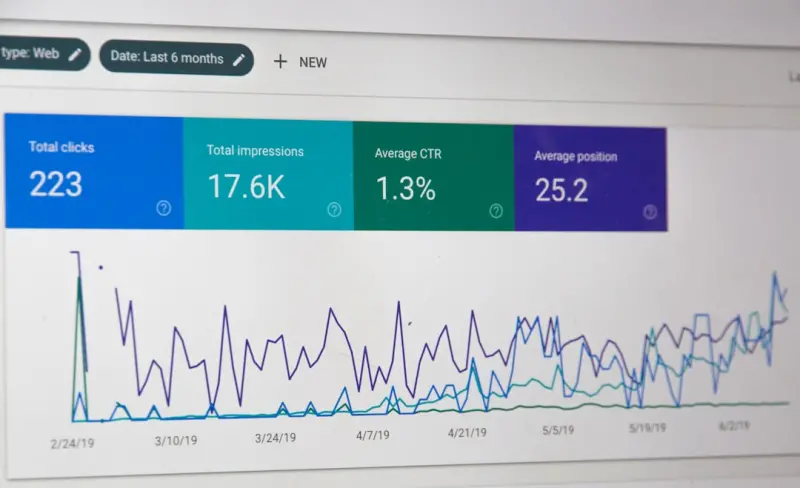
Beyond the Blue Links: Mastering SERP Features for Real Visibility
Learn a strategic playbook for claiming rich results across Google’s evolving SERP landscape, from... Read More
Zero‑Click SERPs: Turning Invisible Clicks into SaaS Wins
Zero‑click search results are reshaping SaaS visibility. This post reveals how to craft answer‑f... Read More

Beyond Rankings: Mastering the New Multi‑Modal SERP Landscape
Explore cutting‑edge tactics—from AI‑generated snippets to interactive SERP widgets—that emp... Read More
Top Posts

Cracking Google’s AI Search: A SaaS‑First SEO Blueprint
The post outlines a step‑by‑step strategy for SaaS marketers to adapt to Google’s AI Search, focusing on promptable content, knowledge graph architecture,...Read More

Human‑Centric Mobile SEO: Turning Tiny Screens into Trust Engines
Learn why human‑centric mobile SEO beats algorithms, with actionable tips on speed, content, local search, link building, and future‑proof strategies for la...Read More

Mobile SEO Playbook for B2B SaaS: From App Indexing to Mobile‑First Content
A practical guide that shows B2B SaaS teams how to dominate mobile search by mapping intent, leveraging app indexing, deploying edge tech, and redesigning conte...Read More
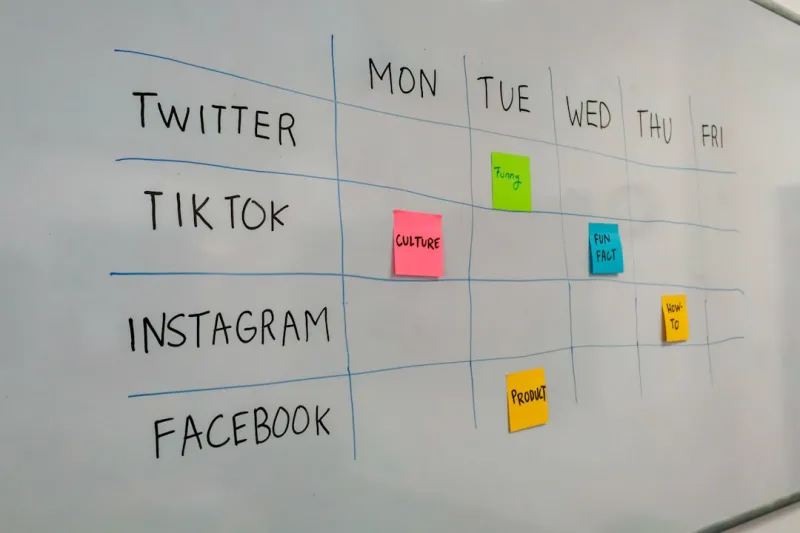
The Evolution of Social Media Strategy: Navigating the Ever-Changing Landscape
The social media landscape is constantly evolving. Learn how to adapt and change to stay ahead and achieve online success with a well-executed social media stra...Read More
0 Comments
Post Comment
You will need to Login or Register to comment on this post!