
Why Zero‑Click SERPs Matter More Than Ever for SaaS
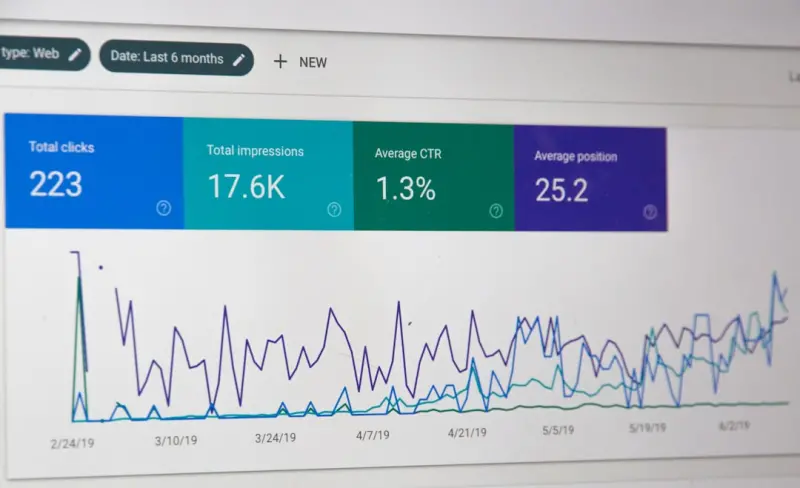
When I first saw my Google Analytics dashboard light up with a surge of “Impressions” but almost no “Clicks,” I thought the universe was playing a prank. Turns out, the search engine results page (SERP) was serving my brand’s answer right on the screen—no click required. This is the zero‑click phenomenon, and it’s reshaping how SaaS companies think about visibility, authority, and conversion.
The Anatomy of a Zero‑Click Result
Google’s SERP has evolved from a list of blue links to a rich canvas of instant answers, featured snippets, knowledge panels, and “People also ask” boxes. Each of these elements can satisfy a user’s query without the need for a traditional click. For B2B SaaS, this means the classic click‑through‑rate (CTR) is no longer the sole health metric; you now need to gauge impression quality and brand lift from these on‑page interactions.
What Zero‑Click Means for SaaS Marketing Funnels
Traditional funnels start with awareness → consideration → decision → purchase. Zero‑click results blur the line between awareness and consideration: a user may get a concise answer about “how to reduce churn in SaaS” directly on the SERP, and if your brand is credited, that instant exposure can plant a seed for future engagement. The key is to ensure the seed is strong enough to grow when the prospect eventually lands on your site or reaches out for a demo.
Strategic Pillars for Dominating Zero‑Click SERPs
Below are the four pillars that have helped my team turn “invisible clicks” into measurable outcomes.
- Authority‑First Content: Google rewards content that succinctly answers a query. Draft “answer‑first” copy that anticipates the exact phrasing users type into the search bar.
- Semantic Optimization: Leverage schema markup (yes, the same tool that powers rich results) to give Google the context it needs to surface your content as a concise answer.
- Signal Amplification: Earn citations from reputable sites and embed your brand in industry glossaries; these signals boost the likelihood of appearing in knowledge panels.
- Post‑Zero‑Click Engagement: Design on‑page experiences that capture the user’s interest after they’ve seen your brand on the SERP—think downloadable cheat sheets or interactive calculators.
Crafting “Answer‑First” Content That Gets Picked
Start with the user’s exact question. Tools like AnswerThePublic or even Google’s own “People also ask” section reveal the natural language people use. Draft a paragraph that answers the question in 40‑50 words, then expand with deeper insights below. The first paragraph becomes the snippet Google may pull.
Example: If the query is “What is SaaS churn rate?”, your opening could be:
“SaaS churn rate is the percentage of customers who cancel their subscription within a given period, typically measured monthly or annually. A healthy churn rate for most SaaS companies falls between 5% and 7% annually.”
Notice the sentence is factual, concise, and includes the exact phrase “SaaS churn rate.” That precision nudges Google toward using it as a featured snippet.
Leveraging Schema Markup Without Over‑Engineering
While many of our readers have explored the deep dive on schema markup guide, the takeaway for zero‑click optimization is simpler: focus on FAQPage, HowTo, and Answer types. These schemas map directly to the answer boxes Google loves.
Implementation steps:
- Identify high‑impact questions in your niche.
- Wrap the answer in JSON‑LD using the appropriate schema type.
- Validate with Google’s Rich Results Test to ensure eligibility.
- Monitor impressions in Search Console’s “Performance > Search appearance > Rich results” report.
Building Brand Authority for Knowledge Panels
Knowledge panels usually surface for well‑known entities—companies, public figures, or products with a strong digital footprint. For SaaS brands, the pathway to a panel involves three core actions:
- Consistent NAP (Name, Address, Phone) across your website, press releases, and business directories.
- Verified Business Profiles on Google Business, LinkedIn, and Crunchbase.
- Earned Mentions from reputable tech publications, analyst reports, and industry awards.
Even if you don’t get a full‑blown panel right away, Google may still display a “quick answer” with your logo, which is a valuable brand impression.
From Zero‑Click to First‑Click: The Follow‑Up Playbook
Once your brand appears in a zero‑click slot, the next challenge is converting that fleeting exposure into a deeper relationship. Here’s a three‑step playbook:
- Micro‑Landing Pages: Create dedicated pages that align with the SERP snippet’s topic. Use a clear
CTAthat matches the user’s intent—e.g., “Download our churn‑reduction checklist.” - Retargeting with Intent Signals: Feed impression data into your ad platform. Users who saw your brand in a snippet become part of a high‑intent audience for display or LinkedIn ads.
- Lead Nurture Sequences: Offer gated content related to the snippet’s topic, then nurture via email drip campaigns that highlight product demos or case studies.
Measuring Success Beyond Click‑Through Rate
Google Search Console now provides “Zero‑click” metrics under the “Performance” report. Track these KPIs:
- Impression Share for answer boxes and knowledge panels.
- Average Position of your brand in the SERP feature.
- Brand Lift via surveys or direct traffic spikes after a prominent zero‑click appearance.
- Assist Conversions: Use multi‑touch attribution models to credit zero‑click impressions for downstream leads.
By expanding your measurement lens, you can demonstrate ROI to leadership and justify the resources spent on zero‑click optimization.
Case Study: Turning a “What is API Rate Limiting?” Snippet Into a Demo Request
One of our SaaS clients, a monitoring platform, was consistently appearing in the “What is API rate limiting?” featured snippet. The initial snippet earned 3,500 impressions per week but only 12 clicks. We implemented the follow‑up playbook:
- Designed a micro‑landing page titled “API Rate Limiting 101 – Free Diagnostic Tool.”
- Added a CTA for a 5‑minute diagnostic that automatically scans the user’s API usage.
- Set up a retargeting campaign for anyone who visited the page but didn’t convert.
Result: Within two months, the page generated 85 qualified demo requests, and the brand’s overall search visibility rose 18% across related queries.
Future‑Proofing Your Zero‑Click Strategy
Google’s AI‑driven answer generation is still evolving. Anticipate these trends:
- AI‑generated answers that synthesize content from multiple sources—make sure your site’s content is authoritative and up‑to‑date.
- Multimodal SERPs incorporating images, videos, and interactive widgets—optimize visual assets alongside textual content.
- Personalized zero‑click experiences based on user history—ensure your brand messaging is consistent across all touchpoints.
Stay agile. Regularly audit your high‑impression zero‑click spots, refresh the underlying content, and keep your schema markup current.
Wrapping Up: Embrace the Invisible Click
Zero‑click SERPs aren’t a dead‑end; they’re a new frontier for brand storytelling. By delivering concise, authoritative answers, you plant your logo in the user’s mind at the exact moment they’re seeking a solution. Combine that with strategic follow‑up tactics, and you transform an “invisible” impression into a qualified lead.
If you’re ready to start capturing value from these invisible clicks, revisit the Google snippet optimization guide for deeper technical tactics, and let’s turn every SERP impression into a conversation starter.

Kelly Reynolds is a dynamic freelance writer hailing from the picturesque landscapes of Alberta. A master of the written word, she juggles her passion for storytelling with the exhilarating chaos of being a mother to five spirited children. With an impressive portfolio that spans various genres, Kelly captivates readers through her engaging blog posts and thought-provoking articles.
Related Posts
Why SERPs Are the New Battlefield: Tom Ferguson’s 2024 Playbook
Tom Ferguson breaks down the 2024 SERP evolution, from AI-powered snippets to mobile‑first dominan... Read More
Beyond Rankings: How Personalization is Redefining the SERP Landscape
The SERP has evolved from a static list of links into a personalized, privacy‑aware, multimodal ex... Read More

Navigating SERP Volatility: A Resilient Roadmap for SaaS Brands
SERP volatility is reshaping how SaaS brands attract organic traffic. This guide outlines a five‑s... Read More
Top Posts
SERP Storytelling: Turning Rich Results Into a Brand Narrative
Discover a fresh approach to search engine results pages by turning rich snippets, video carousels, and other SERP features into chapters of your SaaS brand’s...Read More
How to Turn Social Media Conversations into a Product Innovation Engine
A practical guide shows how to set up structured social listening, translate insights into roadmap items, and measure impact, turning everyday social chatter in...Read More
Conversational UI: The Next Frontier in B2B Digital Marketing
A deep dive into conversational UI, showing how chatbots, voice assistants, and AI-driven dialogue can boost lead conversion, support efficiency, and SEO perfor...Read More
Why SaaS PWAs Need a Technical SEO Strategy
Progressive Web Apps offer app‑like experiences for SaaS users, but without proper technical SEO they stay invisible to search engines. This guide walks you t...Read More
0 Comments
Post Comment
You will need to Login or Register to comment on this post!