
Understanding the SERP Evolution
When I first started tracking search traffic, the results page resembled a simple list of blue links, each promising a direct path to information. Today, that landscape has transformed into a bustling marketplace of featured snippets, video carousels, local packs, and even interactive tools that answer questions before the user clicks anything at all. This evolution isn’t just cosmetic; it reshapes how users perceive relevance, how Google evaluates authority, and how brands must allocate resources if they want to be seen. The shift also means that a single keyword can now generate multiple SERP real‑estate opportunities, each demanding its own strategic approach and technical preparation.
Mapping the Feature Landscape
Among the most visible additions are the People Also Ask (PAA) boxes, which surface a cascade of related queries and give content creators a roadmap for expanding topical depth. By answering those follow‑up questions in concise, schema‑enhanced blocks, you can claim a spot in the PAA stream and drive traffic that bypasses the traditional organic listing altogether. Similarly, video carousels have surged in prominence, especially for “how‑to” and product review searches, rewarding creators who embed transcripts and structured data that signal relevance to Google’s video index. Leveraging these formats requires a mindset shift: instead of targeting a single keyword, you aim to dominate a cluster of user intents that appear across multiple SERP widgets.
Shopping panels, local packs, and image packs each cater to distinct user intents—purchase intent, location‑based queries, and visual discovery, respectively. For e‑commerce sites, securing a spot in the Shopping panel often means integrating product schema, high‑resolution imagery, and up‑to‑date inventory feeds, while local businesses must master Google Business Profile optimization to appear in the coveted local pack. Image packs, on the other hand, reward pages that employ descriptive ALT text and structured image metadata, turning what used to be a peripheral traffic source into a primary gateway for visual learners. Understanding where your audience’s journey intersects with these features is the first step toward a holistic SERP strategy.
Before you can chase any of these opportunities, you need a clear audit of your current SERP footprint. Tools that surface existing featured snippets, PAA appearances, and video rankings let you map which assets you already control and where gaps remain. This audit should also highlight any duplicate or conflicting schema markup that could confuse crawlers, as well as performance bottlenecks that prevent rich results from rendering smoothly on mobile devices. A comprehensive map of your SERP presence becomes the foundation for a targeted feature‑acquisition plan, ensuring you invest effort where it will yield the highest incremental visibility.
Strategic Blueprint for Feature Domination
The backbone of any SERP‑feature strategy is structured data. Implementing the appropriate schema—FAQ, HowTo, Product, Review, or LocalBusiness—signals to Google exactly what type of content you’re presenting, dramatically increasing the odds of a rich result. However, markup alone isn’t enough; the underlying content must fulfill the user’s intent with depth, clarity, and authority. For example, an FAQ page should not merely regurgitate boilerplate answers but should provide nuanced, well‑researched responses that anticipate follow‑up questions, thereby increasing the chance of appearing in both the FAQ accordion and the PAA box. When you combine meticulous schema with high‑quality, intent‑driven copy, you create a synergy that Google rewards with prominent SERP real‑estate.
Content format diversification is equally crucial. If you notice that video carousels dominate the top results for your target queries, consider producing short, captioned videos that embed key phrases and include a transcript rich in semantic variations. Similarly, long‑form guides can be broken into digestible sections, each marked up with HowTo schema to capture step‑by‑step snippets. This multi‑format approach not only broadens the types of SERP features you can target but also caters to varying user preferences, from visual learners to those who skim for bullet‑point answers. The goal is to create an ecosystem of assets where each piece supports the others, reinforcing topical authority across the entire search result page.
Technical fundamentals still underpin feature eligibility. Mobile page speed, secure HTTPS delivery, and clean HTML structures remain non‑negotiable, especially as Google continues to prioritize mobile‑first indexing. While you might be tempted to focus solely on content, neglecting core web vitals can prevent even the best‑crafted schema from being displayed. For deeper insights, revisit our guide on mobile SEO mastery to ensure your pages load quickly, render correctly, and provide a seamless user experience across devices. Remember, a feature that fails to load promptly will be demoted in favor of a faster, albeit less feature‑rich, competitor.
Measuring Success and Iterating
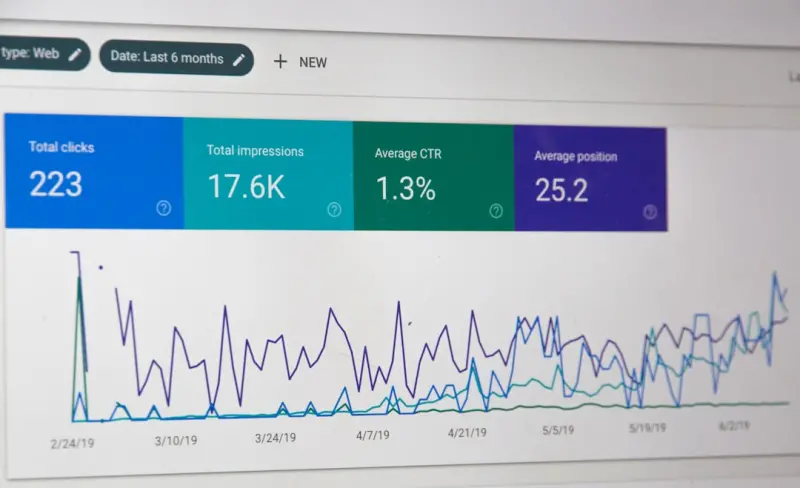
Traditional SEO metrics—organic traffic and keyword rankings—still matter, but when you’re competing for SERP features you must expand your KPI suite. Impressions and click‑through rates (CTR) for specific widgets, such as the PAA box or shopping panel, provide direct feedback on how often your assets are being presented to users. Dwell time and bounce rate become even more telling when a user lands on a page after interacting with a rich result; a short bounce may indicate that the snippet already satisfied the query, while a longer dwell suggests deeper engagement. By monitoring these signals, you can pinpoint which features are delivering genuine value and which require refinement.
Because SERP layouts shift frequently, maintaining visibility demands a proactive stance. Our earlier post on manage SERP volatility outlines tactics for staying ahead of algorithmic changes, but the principle extends to feature volatility as well. Regularly revisit your schema implementations, refresh outdated content, and experiment with emerging formats like visual stories or interactive maps. When a new feature appears—such as a carousel of related podcasts—consider a quick pilot: produce a short audio clip, embed it with appropriate markup, and track its performance. Continuous testing keeps you in the discovery loop and prevents reliance on static tactics that may become obsolete overnight.
Looking ahead, personalization will further blur the lines between traditional organic listings and tailored SERP experiences. Voice assistants, AI‑generated answers, and hyper‑local results will increasingly draw from the same structured data you already manage, amplifying the importance of a robust, future‑proof schema strategy. By treating each SERP feature as a distinct yet interconnected piece of your overall visibility puzzle, you create a resilient presence that thrives regardless of how Google decides to rearrange the page tomorrow. Embrace the complexity, iterate relentlessly, and let the data guide you toward the next prominent slot on the search results stage.

Sarah Gray is a proud Canadian who calls Brampton home, where she lives with her husband, Paul. A passionate home cook and gifted storyteller, Sarah loves creating delicious recipes and sharing stories inspired by everyday life, family, and cherished experiences. When she isn't experimenting in the kitchen, she's busy crafting engaging content that reflects her warmth, creativity, and love of connection. Above all, Sarah treasures time spent with her grandchildren, embracing every opportunity to create lasting memories with the people she loves most.
Related Posts
Navigating the New Multi‑Dimensional SERP Landscape
Learn why SERPs are no longer just lists and get a clear, actionable plan to capture visual, zero‑... Read More

Navigating SERP Volatility: A SaaS Marketer’s Playbook for Ranking Resilience
SERP volatility can quickly derail SaaS growth, but with a proactive playbook—monitoring changes, ... Read More

Unlocking the Power of Google Knowledge Panels for B2B SaaS Brands
A Knowledge Panel is more than a static info box; for B2B SaaS firms it’s a trust‑building, lead... Read More
Top Posts
Unlocking Hyperlocal SEO: How Community Connections Drive Real‑World Growth
Learn how to harness voice search, neighborhood partnerships, and localized content to boost your small business’s online visibility and drive real‑world cu...Read More
The Ever-Changing Landscape of SEO: What You Need to Know
The landscape of SEO is constantly evolving. Stay informed about the latest trends and best practices to improve your search engine rankings and drive more traf...Read More

The Untapped Power of Private Social Communities for SaaS Growth
Explore why private social ecosystems—LinkedIn groups, Slack, and Discord—outperform public feeds for B2B SaaS, and learn a step‑by‑step framework to bu...Read More

How Semantic Topic Mapping Can Future‑Proof Your Google SEO
Discover a fresh SEO approach: using semantic topic maps to align content with user intent, enhance Knowledge Graph signals, and stay ahead of Google’s evolvi...Read More
0 Comments
Post Comment
You will need to Login or Register to comment on this post!