

Why SERP Evolution Matters Now
Every time I open a browser, the search engine results page feels less like a static list and more like a dynamic, algorithm‑driven canvas that blends text, visuals, and real‑time data into a single user experience; this transformation is reshaping how brands fight for attention, demanding that we think beyond traditional rankings and instead design for a mosaic of micro‑moments that appear before the user even types a full query. Understanding this shift is not a luxury—it’s a survival skill, because the modern SERP now rewards entities that can surface instantly in rich cards, answer boxes, and even conversational snippets that speak directly to intent without a single click. As marketers, we must recalibrate our strategies to anticipate these new entry points, treating each SERP feature as a potential conversion funnel rather than a peripheral curiosity.
The Quiet Power of Structured Data for Voice and Visual Search
When I first experimented with JSON‑LD markup, I discovered that search engines treat structured data like a backstage pass, granting our content privileged access to voice assistants and image‑based queries that bypass the traditional text‑only results altogether; by annotating product attributes, event details, and FAQ sections with schema.org vocabularies, we essentially hand the algorithm a ready‑made answer, slashing the latency between user intent and fulfillment. Structured data isn’t just about breadcrumbs or ratings; it’s the DNA that fuels knowledge panels, carousel displays, and the emerging visual search overlays that let users snap a photo and instantly receive product recommendations. The strategic implication is clear: a well‑crafted schema graph can turn a modest page into a multi‑modal SERP powerhouse, delivering traffic from voice‑only devices, AR lenses, and even smart home displays.
Harnessing AI‑Generated Snippets to Capture the Zero‑Click Audience
Artificial intelligence has taken a bold leap from merely ranking pages to actually drafting concise, context‑aware snippets that answer questions in a fraction of a second, and this development forces us to rewrite the rules of content creation; rather than stuffing keywords, we now craft modular content blocks that can be reassembled by large language models into coherent, bite‑sized answers that sit prominently at the top of the page. These AI‑crafted snippets are the new frontier of zero‑click engagement, where the search engine itself becomes the publisher, and the original author’s brand equity is conveyed through a brief, yet authoritative excerpt. To thrive, we must audit our content for clarity, factual density, and semantic richness, ensuring that every paragraph can serve as a stand‑alone answer that an AI might lift and display without demanding a click.
Interactive Elements as SERP Magnetics
One of the most underutilized levers in the SERP toolbox is the integration of interactive widgets—think calculators, polls, or mini‑games—that can be embedded directly into rich results, turning a passive search experience into an engaging, data‑driven interaction; when Google recognizes an iframe or a JavaScript‑enabled element that aligns with a user’s query, it can surface the widget right on the results page, dramatically increasing dwell time and brand recall. I’ve seen firsthand how a simple interactive tool that boosts SERP visibility can eclipse traditional link clicks, especially when the widget provides immediate value such as a cost estimator or a personalized recommendation engine. Embedding these experiences requires meticulous compliance with core web vitals and schema extensions, but the payoff is a direct line to the user before they even consider leaving the search environment.
Semantic Clustering Meets Topic Authority
While keyword stuffing has long been the go‑to tactic for rank‑chasing, the next evolution is to construct semantically clustered content hubs that signal deep expertise to the search engine, allowing each cluster to dominate a specific sub‑topic and collectively elevate the entire site’s authority; this approach mirrors how a human expert would organize knowledge—by grouping related concepts under umbrella themes and linking them with natural language pathways. By leveraging semantic clustering techniques, we can map out content silos that cover every facet of a user’s journey, from introductory overviews to advanced case studies, ensuring that the SERP surfaces at least one piece of our content for any nuance of the query. The strategic advantage is twofold: we improve internal linking equity while also giving search engines a clear, hierarchical roadmap that aligns with user intent.
Micro‑Personalization Through Real‑Time SERP Signals
Every click, scroll, and hover on a search results page generates a signal that, when aggregated in real time, can inform hyper‑personalized SERP experiences for returning users; by feeding these interaction data points back into our content recommendation engines, we can serve dynamically tailored snippets that reflect the individual’s past behavior, geographic context, and even device type, effectively turning the SERP into a personalized landing page. This micro‑personalization extends beyond simple location tags; it encompasses adaptive meta descriptions, localized schema, and custom call‑to‑action buttons that appear only when the algorithm deems them most relevant, creating a seamless bridge between search intent and conversion intent. Brands that invest in this feedback loop will find their SERP presence not only more visible but also more persuasive, as users recognize content that speaks directly to their unique needs.
Leveraging Community Signals for Trust‑Weighted Rankings
Search engines are increasingly looking at community endorsement metrics—such as up‑votes, reviews, and social proof embedded in rich snippets—to gauge the trustworthiness of a page, and this trend opens a new pathway for marketers to amplify their SERP performance through genuine user advocacy; by encouraging satisfied customers to leave structured reviews that are marked up with schema, we feed the algorithm a quantifiable signal of credibility that can outweigh raw backlink counts in certain verticals. Moreover, integrating community‑generated Q&A sections directly into our pages creates a living knowledge base that can be harvested by the search engine for featured snippets, reducing the need for us to pre‑emptively draft every possible answer. The result is a virtuous cycle where authentic user contributions boost SERP prominence, which in turn drives more traffic and more opportunities for community interaction.
Future‑Proofing Content for Emerging SERP Formats
As the search landscape continues to evolve, we must anticipate formats that are still in their infancy—such as immersive 3D product tours, AI‑driven recommendation sliders, and blockchain‑verified credentials—that will eventually find a home on the SERP, and we can get ahead by embedding the necessary technical scaffolding today; this means adopting emerging schema types, ensuring our content is delivered via HTTP/2 or HTTP/3 for optimal speed, and designing modular assets that can be repurposed for AR or VR contexts. By treating each piece of content as a reusable component—ready to be rendered as a carousel, a voice prompt, or an interactive overlay—we safeguard our investment against the inevitable shifts in how search engines choose to present information. In practice, this translates to a disciplined workflow where every new article is accompanied by a parallel set of JSON‑LD snippets, optimized image assets, and structured metadata that can be toggled on or off depending on the SERP format that surfaces it.
Measuring Success in a Multi‑Modal SERP World
Traditional SEO metrics like organic traffic and keyword rankings are no longer sufficient to capture the impact of our SERP strategies, especially when a significant portion of user engagement happens directly within the search page; we need to adopt a richer analytics stack that tracks impression share across rich cards, voice answer adoption rates, and interaction depth with embedded widgets, all while correlating these signals with downstream conversion funnels. Tools that can attribute a conversion back to a specific SERP feature—such as a knowledge panel click‑through or a snippet‑driven phone call—provide the granularity required to justify investments in schema, AI snippet optimization, and interactive experiences. By establishing a dashboard that visualizes these multi‑modal KPIs, we empower stakeholders to see the true ROI of SERP innovation, turning what once seemed like a nebulous “search presence” into a concrete, data‑driven growth engine.

Brody Lambert is an emerging freelance writer whose fresh voice and thoughtful approach are quickly making their mark. As a fairly new entrant in the world of freelance writing, Brody brings a blend of curiosity and dedication that fuels every project, crafting stories and content that resonate with authenticity and clarity.
Related Posts

The Shifting Landscape of SERPs: A Comprehensive Guide
The shifting landscape of SERPs requires a deep understanding of how search engines work and how to ... Read More
Why SERPs Are Evolving in 2024 and How to Stay Ahead
2024 SERPs are changing fast. Discover key trends and proven playbooks to future‑proof your rankin... Read More
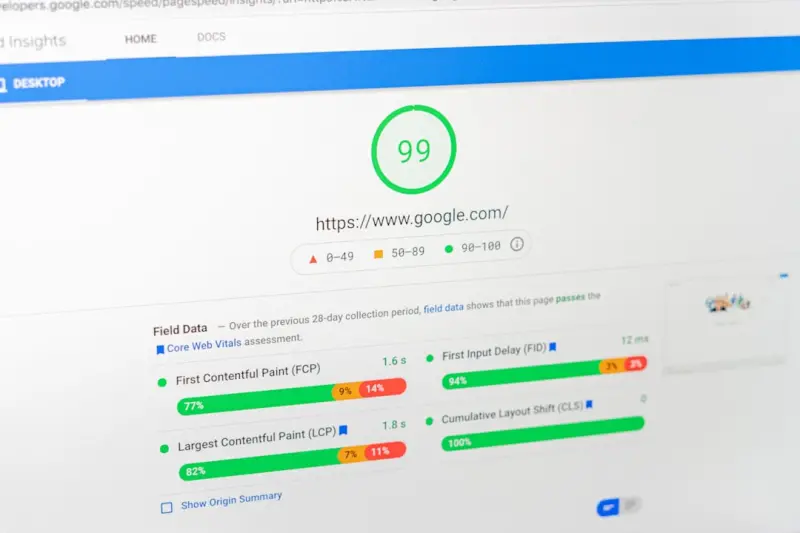
Winning the Personalized SERP: How to Tailor Your Content for Each Searcher
Learn why SERPs are now uniquely tailored to each searcher and get actionable tactics—schema, cont... Read More
Top Posts

Zero‑Click SERP Opportunities: Turning Passive Results into Active Leads
Zero‑click searches dominate modern SERPs, but SaaS companies can still win by embedding brand value directly into snippets, videos, and rich answers—turnin...Read More

Micro‑Communities: The New Frontier for B2B SaaS Social Strategy
Micro‑communities offer B2B SaaS firms a high‑intent, low‑noise channel for engagement. Learn why they outperform traditional social tactics, how to find ...Read More

The Evolution of Technical SEO: Navigating the Ever-Changing Landscape
The evolution of technical SEO has been rapid and significant. From mobile-first indexing to AI-powered search engines, SEO professionals must stay up-to-date w...Read More

The Art of Google SERPs Optimization: A Comprehensive Guide
Google SERPs optimization is critical for increasing online visibility, driving more traffic to your website, and boosting conversions. Learn the latest strateg...Read More
0 Comments
Post Comment
You will need to Login or Register to comment on this post!