

Why Mobile SEO Needs a Human‑Centric Overhaul
When I first started optimizing sites for mobile, the checklist was all about technical boxes: responsive grids, AMP pages, and minified scripts. Those metrics still matter, but the real breakthrough comes when we flip the script and ask, “What does a human actually want on a tiny screen?” Mobile users are impatient, context‑driven, and often multitasking. They expect instant answers that feel personal, not generic algorithmic leftovers. By weaving empathy into every line of code, we create experiences that feel less like a forced transaction and more like a natural conversation. This shift isn’t a fad; it’s a response to how Google’s mobile‑first index now rewards engagement signals that only authentic human interaction can generate. In practice, that means prioritizing clear navigation, bite‑sized content, and trust‑building elements that speak directly to the user’s moment‑in‑time needs. Human‑centric mobile SEO transforms a simple search into a relationship, laying the groundwork for higher rankings and deeper brand loyalty.
Decoding Mobile User Intent on the Go
Mobile search intent is rarely a deep‑dive research session; it’s often a rapid, goal‑oriented query. A commuter might type “nearest coffee” while waiting for a train, while a shopper on a bus asks “best price iPhone 13”. Understanding that split‑second mindset forces us to streamline the path from SERP to conversion. Page speed, therefore, isn’t just a technical metric—it’s a trust signal. A delay of even one second can feel like a broken promise to a user who’s already on the move. Core Web Vitals, especially Largest Contentful Paint and Cumulative Layout Shift, become proxies for user patience. But speed alone won’t win; we must also anticipate the context. Delivering concise, location‑aware answers, leveraging geotargeted schema, and pre‑emptively offering click‑to‑call or map links align the search result with the user’s immediate circumstance. When the experience feels tailor‑made, the algorithm detects lower bounce rates and higher dwell times, rewarding the page with better rankings.
Crafting Content That Resonates on Small Screens
The era of keyword stuffing is over, especially on mobile where readability dictates performance. I always start by breaking content into scannable chunks—short sentences, bold headings, and strategic bullet points. This structure respects the thumb‑scrolling habit and lets users grab the gist without endless scrolling. Authentic voice is the secret sauce; writing as if you’re speaking directly to the reader builds instant rapport. For deeper insight, see my earlier piece on why human‑centric strategies are the game‑changer in mobile SEO: Mobile SEO: Why Human‑Centric Strategies Are the Game‑Changer. In addition, incorporating multimedia—compressed images, succinct videos, and voice notes—caters to varied consumption preferences while staying within mobile data limits. Remember to optimize alt text for both accessibility and SEO, and to embed concise, value‑rich snippets that answer the “what’s in it for me?” question in under 150 characters. When users feel understood, they linger, share, and convert.
Structured Data Meets Human Expectations
Schema markup used to be a hidden technical tweak; today it’s a front‑stage player that translates complex data into human‑readable cards. When Google recognizes a recipe, event, or product schema, it can surface that information as a rich result, instantly answering the user’s query without a click. But the true power lies in aligning those rich snippets with genuine human intent. For instance, a local bakery’s “opening hours” schema paired with a “call now” button satisfies a hungry commuter’s immediate need. This synergy is why the SERPs are evolving toward human‑focused displays, as explored in Why the SERPs Are Turning Human: The Next Evolution of Search Rankings. By mapping structured data to the specific pain points of mobile users—location, price, availability—we turn abstract code into a tangible, helpful experience that boosts click‑through rates and signals relevance to the search engine.
Local Mobile Search: Authenticity Beats Algorithms
When a user searches “best pizza near me,” they’re looking for a quick, trustworthy recommendation that feels local. Authentic reviews, up‑to‑date business hours, and community‑driven content become the differentiators that outrank pure algorithmic relevance. I recommend a three‑step approach: first, claim and verify your Google Business Profile; second, encourage genuine customer feedback and respond promptly; third, embed localized schema that reflects real‑time data. The result is a micro‑trust ecosystem that Google rewards with the coveted “local pack.” For a deeper dive on leveraging authenticity in local contexts, check out How Authentic Local SEO Beats Algorithms and Drives Community Trust. Adding a simple
- Google Maps embed
- Mobile‑friendly contact button
- Location‑specific FAQs
not only improves the user journey but also signals to Google that your business is actively serving its community, thereby elevating mobile rankings.
Human‑Centric Link Building for Mobile Success
Link building on mobile isn’t about mass‑producing backlinks; it’s about cultivating genuine relationships that translate into organic referrals. I focus on outreach that starts with a conversation—identifying complementary brands, offering mutual value, and crafting personalized pitches that reference specific content pieces. When a local influencer shares a link to your mobile‑optimized guide, the referral traffic is already primed for conversion because the audience trusts the source. This strategy is highlighted in Why Human‑Centric Link Building Is the Secret Sauce for Modern eCommerce, where authentic connections outperform algorithmic link farms. Additionally, use anchor text that mirrors natural language (“how to find fast Wi‑Fi in downtown”) rather than exact‑match keywords. Such human‑oriented links improve relevance on mobile SERPs, reduce bounce rates, and reinforce the brand’s credibility across devices.
Reading the Human Signals Behind Mobile Analytics
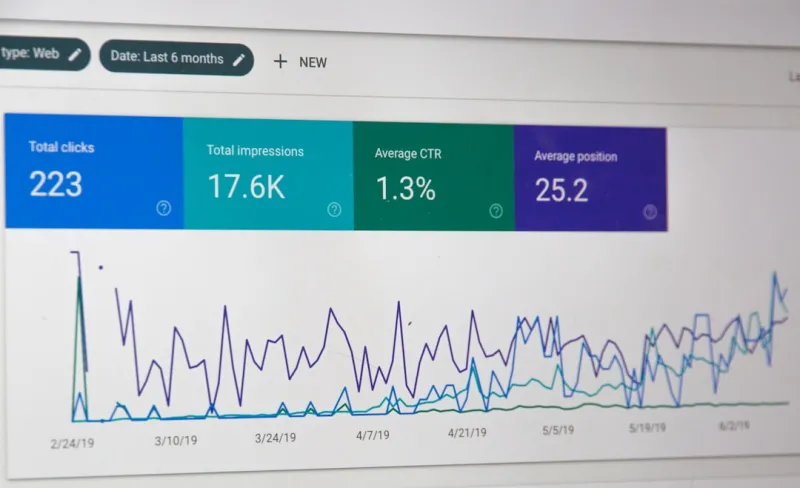
Data alone tells a story, but the nuance comes from interpreting that story through a human lens. On mobile, metrics like scroll depth, dwell time, and interaction rate reveal whether users find the content useful or confusing. A high bounce rate might indicate that the page load is slow, but it could also mean the headline didn’t align with the user’s intent. By segmenting analytics by device type, location, and entry point, we can pinpoint friction spots—perhaps a CTA button is too small for thumb taps, or the font size drops below legibility thresholds. I recommend a quarterly audit that asks: “What emotion does this metric evoke?” and then adjusts design or copy accordingly. When you treat analytics as a conversation with your audience rather than a cold spreadsheet, you uncover opportunities to refine the human experience, which in turn sends positive signals to Google’s mobile ranking algorithms.
Future‑Proofing Mobile SEO with Human‑First Innovation
The next wave of mobile search will blend AI‑driven voice assistants, visual search, and augmented reality, yet the core will remain human curiosity. Voice queries are conversational, demanding content that mirrors natural speech patterns. Visual search, powered by camera‑based inputs, asks for immediate, context‑rich answers—think product details displayed right on the screen. To stay ahead, embed structured data that supports voice snippets, optimize images with descriptive alt text, and experiment with AR‑enabled product previews. Even as technology evolves, the principle stays the same: deliver value that feels personal and immediate. By anchoring every technical upgrade to a human need—whether it’s a quick answer, a seamless checkout, or an immersive brand experience—we future‑proof our mobile SEO strategy against algorithmic turbulence.
Actionable Checklist: Human‑Centric Mobile SEO in Practice
Ready to translate theory into results? Follow this concise checklist:
- Audit Core Web Vitals; aim for LCP < 2.5 s and CLS < 0.1.
- Rewrite headlines and meta descriptions in a conversational tone.
- Implement localized schema for business address, hours, and reviews.
- Compress images and serve WebP format for faster mobile load.
- Use thumb‑friendly button sizes (minimum 48 px) and ample spacing.
- Develop a human‑focused outreach plan; personalize each link‑building pitch.
- Set up mobile‑specific analytics dashboards to monitor dwell time and scroll depth.
- Test voice‑search queries and adjust content to match natural language.
Each item aligns a technical requirement with a genuine human need, ensuring that your mobile presence not only satisfies search engines but also builds lasting connections with users. Implement these steps, watch your rankings climb, and enjoy the deeper engagement that comes from truly human‑centric mobile SEO.

Tom Ferguson is a Canadian freelance writer with a passion for storytelling, current events, and thoughtful commentary. Drawing on years of writing experience, he shares engaging insights on a wide range of topics, bringing a uniquely Canadian perspective to his work.
Related Posts

Beyond Speed: Mobile‑First SEO Strategies SaaS Leaders Overlook
A deep dive into mobile‑first SEO for SaaS, covering content hierarchy, app‑store optimization, ... Read More

The Mobile-First Revolution: How Mobile SEO is Changing the Game
Mobile SEO is revolutionizing the digital marketing landscape. Learn how to optimize your website fo... Read More

Mobile‑First Optimization: Turning Mobile Experience into SaaS Growth Engine
Mobile traffic now drives SaaS growth. This post shows how to embed mobile‑first principles into p... Read More
Top Posts

Short‑Form Video: A B2B SaaS Social Marketing Game‑Changer
Short‑form video is reshaping B2B SaaS social marketing by turning complex features into authentic, bite‑size stories that drive trial sign‑ups and embed ...Read More
Why Local SEO Matters: A Comprehensive Guide
Local SEO is crucial for businesses that want to attract local customers and drive more traffic to their website. Learn why local SEO matters and how to optimiz...Read More

Optimizing Website Architecture for Better Crawlability and Indexing
Optimizing website architecture is crucial for better crawlability and indexing. Learn the key elements, best practices, and common mistakes to avoid for Techni...Read More

Crawl Budget Mastery: How SaaS Platforms Keep Google Happy
A practical guide for SaaS teams to manage Google’s crawl budget, prioritize high‑value pages, and ensure rapid indexing of new features and product pages....Read More
0 Comments
Post Comment
You will need to Login or Register to comment on this post!