

Why Mobile SEO is No Longer a Subset of Desktop SEO
When I first started dabbling in search marketing, the rule of thumb was simple: design for desktop, then adapt for mobile. That mindset survived the rise of smartphones, responsive design, and even the mobile‑first indexing era. Today, however, the very definition of “mobile” has exploded. It’s not just a smaller screen; it’s a distinct intent, a unique set of signals, and an ecosystem increasingly dominated by AI‑generated snippets, visual discovery, and voice assistants. For SaaS companies, this shift means that mobile SEO can no longer be an afterthought—it’s a strategic front line.
The Mobile Search Landscape Has Shifted Again
Google’s algorithms have become adept at interpreting the context behind a mobile query. A user typing “best CRM for remote teams” on a phone is likely looking for a quick list, a pricing snapshot, or even a one‑click install option. Contrast that with a desktop query that might be a deeper dive into features and integrations. This divergence manifests in three concrete ways:
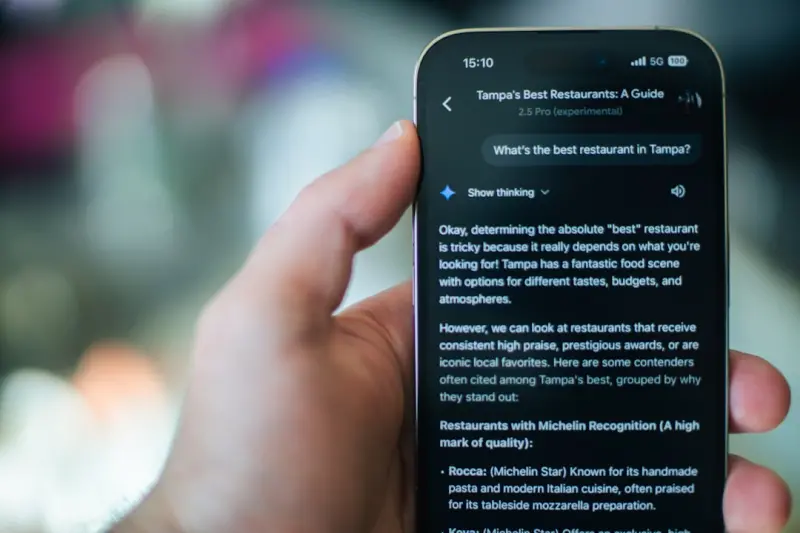
- Snippet‑Centric SERPs: Mobile results are increasingly dominated by featured snippets, answer boxes, and the new Search Generative Experience (SGE). Google is serving AI‑crafted summaries that often satisfy the user without a click.
- Visual & Voice Discovery: The rise of Google Lens, visual shopping, and voice assistants means images, schema, and concise, conversational content are more valuable than ever.
- Speed Meets Signal Fidelity: Core Web Vitals still matter, but the metrics are now weighted by user context—interaction latency on a 5G connection, for example, is a different game than on a 3G network.
AI‑Generated Mobile Snippets: The New SERP Real Estate
SGE is already turning traditional rankings on their head. When Google serves an AI‑generated answer, it pulls data from multiple sources—including your own knowledge base, product pages, and user forums. If those signals are missing or ambiguous, Google fills the gap with competitor content. That’s a golden opportunity for SaaS leaders who can programmatically supply clean, structured answers.
Here’s the practical takeaway: treat every piece of high‑value content as a potential snippet source. This means crafting concise, data‑rich answers to the top‑10 questions your mobile audience asks, then wrapping them in schema that tells Google “I’m the authority for this answer.”
Optimizing for Google Discover on Mobile
Google Discover is a feed‑style experience that lives primarily on mobile. It surfaces content based on user interests, not explicit queries, which changes the SEO playbook entirely. To win on Discover, you need:
- Compelling visuals: High‑resolution images (1200×628 px minimum) with relevant
alttext improve the chance of a story being shown. - Timely, evergreen topics: Content that balances trending relevance with long‑term value tends to stay in the feed longer.
- Clear E‑E‑A‑T signals: Author bios, customer case studies, and links to a well‑maintained knowledge base all help Google trust your brand as a go‑to source.
If your SaaS product solves a niche problem, frame your content as a story—how a customer cut churn by 30% after implementing your feature, for example. Pair that narrative with a striking visual, and you increase the odds of a Discover impression.
The Role of Structured Data in Voice & Visual Search
When a user asks a voice assistant, “Find me a project‑management tool that integrates with Slack,” the assistant queries a knowledge graph behind the scenes. Schema.org’s SoftwareApplication type, enriched with featureList, offers, and operatingSystem properties, is the lingua franca that tells the assistant what you do.
Similarly, visual search platforms like Google Lens look for imageObject and product schema to understand the subject of a photo. By annotating your SaaS screenshots, UI mock‑ups, or tutorial GIFs with proper structured data, you make those assets searchable in a visual context—something that’s largely untapped in the B2B arena.
Leverage Your SaaS Knowledge Base for Mobile Queries
Most SaaS companies have a treasure trove of help articles, FAQs, and community discussions that are already optimized for user intent. The trick is to surface those assets in a mobile‑first format. Consider the following tactics:
- Micro‑Content Extraction: Pull out one‑sentence answers from longer articles and turn them into
FAQPageschema. This feeds directly into AI‑generated snippets. - AMP‑Lite Versions: While the original AMP project has faded, the principle—delivering lightweight, cacheable pages—remains vital for high‑volume, low‑latency mobile queries.
- Contextual Linking: When a user lands on a feature page, surface related help articles via
relatedLinktags to keep the user within your domain longer.
In short, unlock the SEO goldmine hidden in your SaaS knowledge base by making each piece a self‑contained answer machine.
Testing Mobile‑First Features with Data
Data is the only compass you have in the fast‑moving mobile arena. Set up a dual‑track testing environment where you compare a baseline mobile page against a variant enriched with schema, visual assets, and AI‑optimised snippets. Track these KPIs:
- Click‑through rate (CTR) on SERP snippets – A rise indicates better snippet relevance.
- Average time on page (ATOP) on mobile – Shows if the content satisfies user intent.
- Bounce rate after a voice or visual search entry – Low bounce suggests your structured data hit the mark.
Use Google Search Console’s Mobile Usability and Core Web Vitals reports in conjunction with a custom analytics dashboard to surface patterns you can iterate on quickly.
Future‑Proofing with AI‑Driven Strategies
AI isn’t just a ranking factor—it’s a content creation partner. By feeding your top‑performing mobile queries into a large‑language model, you can generate draft answers, outline long‑form guides, and even create meta descriptions at scale. The key is to keep the output under human supervision to preserve brand voice and accuracy.
For a deeper dive on marrying AI with your SaaS SEO roadmap, check out How to Future‑Proof Your SaaS SEO for AI‑Driven Search. The principles outlined there map directly onto mobile: prioritize high‑impact, low‑effort content and let AI handle the heavy lifting for peripheral pages.
Practical Checklist for a Mobile‑First, AI‑Ready SEO Strategy
- Audit existing mobile pages: Verify
viewporttags, avoid intrusive interstitials, and confirm Core Web Vitals are in the “good” bucket. - Map top mobile intents: Use Search Console’s “Performance → Mobile” data to identify high‑impression queries lacking a satisfactory snippet.
- Implement schema at scale: Deploy
SoftwareApplication,FAQPage, andImageObjectacross relevant assets. - Upgrade visual assets: Add high‑resolution, alt‑tag‑rich images for each major feature or UI flow.
- Leverage the knowledge base: Extract micro‑answers, apply
FAQPagemarkup, and surface them via internal linking. - Run A/B tests on snippet performance: Use SERP monitoring tools to compare CTR before and after schema implementation.
- Integrate AI content generation: Generate draft answers for low‑traffic long‑tail queries, then edit for brand consistency.
- Monitor voice & visual search referrals: Set up custom UTM parameters for voice‑origin traffic to understand its impact on conversions.
Conclusion: Mobile SEO Is a Growth Engine, Not a Technical Checklist
The era where “just make your site responsive” was enough is over. Modern mobile SEO for SaaS is a blend of AI‑augmented content, granular schema, visual storytelling, and continuous data‑driven iteration. By treating every mobile touchpoint as a potential entry into your sales funnel—and by giving Google the structured signals it craves—you transform a traditional traffic source into a dynamic growth engine.
Take the first step today: audit a single high‑traffic mobile page, add the appropriate FAQPage schema, and watch the snippet CTR climb. It’s a small win that compounds into a larger advantage as AI continues to shape how users discover SaaS solutions on their phones.

Brody Lambert is an emerging freelance writer whose fresh voice and thoughtful approach are quickly making their mark. As a fairly new entrant in the world of freelance writing, Brody brings a blend of curiosity and dedication that fuels every project, crafting stories and content that resonate with authenticity and clarity.
Related Posts
The Quiet Engine of Mobile Voice Search: A SaaS Growth Playbook
Learn how to capture the booming mobile voice search market with a step‑by‑step playbook that tu... Read More

Why Progressive Web Apps Are the Secret Weapon for Mobile SEO
Progressive Web Apps combine the speed and accessibility of the web with the engagement of native ap... Read More

5G Mobile SEO: Speed, Relevance & Authority
In a world racing toward 5G, mobile SEO must evolve. I share insider tactics—from adaptive content... Read More
Top Posts

Turning Data into Links: A Research‑Centric Blueprint for Modern SEO
Explore how publishing original data, partnering with academia, and leveraging AI can transform your link‑building game into a sustainable, authority‑drivin...Read More

Interactive Video: The New SaaS Marketing Engine
Interactive video is reshaping SaaS digital marketing by turning passive viewers into active participants, delivering richer data, higher conversion rates, and ...Read More

Beyond the Title: Engineering Irresistible SERP Snippets for SaaS Growth
Snippets are the new front door for SaaS brands. This guide shows how to deconstruct, test, and amplify SERP snippets with micro‑copy, structured data, and pe...Read More

The Evolution of Digital Marketing: Navigating the Shifting Landscape
The digital marketing landscape is constantly evolving. Learn how to navigate the shifting landscape and stay ahead of the curve with the latest trends and tech...Read More
0 Comments
Post Comment
You will need to Login or Register to comment on this post!