

Why Mobile SEO Still Feels Like Uncharted Territory for SaaS
When I first started writing about search, my mental map was dominated by desktop dashboards, keyword spreadsheets, and the occasional “mobile‑first” footnote. Fast‑forward to today, and the majority of our users are tapping, swiping, and voice‑searching on the go. Yet, many SaaS marketers treat mobile as an after‑thought, slapping a responsive stylesheet on a legacy site and calling it a day. The reality is that mobile search behaves differently, and the tactics that move the needle on a desktop SERP often flop on a handheld device.
Understanding Mobile Search Intent – It’s Not Just “On‑the‑Go”
We’ve all heard the phrase “mobile‑first intent.” What most people miss is that mobile users aren’t just in a hurry; they’re also context‑driven. A product manager checking pricing while commuting has a different urgency than a developer troubleshooting an integration from a coffee shop. The why behind the query dictates the optimal content format, the depth of information, and even the type of SERP feature that will win the click.
- Immediate resolution: Users want quick answers—think short‑form tutorials, one‑click demos, or concise pricing tables.
- Contextual relevance: Location, device capabilities, and time of day shape what the user expects to see.
- Low‑friction pathways: Mobile users abandon anything that requires excessive typing, scrolling, or loading.
When you map these intent layers to your content, you’ll discover gaps you never knew existed. For example, a 5‑minute onboarding video might be perfect for desktop but feels like a chore on a 4‑inch screen. Recognizing intent is the first step toward a mobile SEO strategy that feels less like a compromise and more like a tailored experience.
Structured Data: The Mobile Shortcut to Rich SERP Real Estate
Google’s mobile SERPs are crowded with answer boxes, featured snippets, and now an increasing number of “mobile‑only” rich results. Structured data is the secret handshake that tells Google exactly what your content is and how it should appear on a phone. While many SaaS teams use schema for blog posts, they often overlook the powerful SoftwareApplication and Offer types that can surface pricing, trial links, and platform compatibility directly in the mobile results.
Here’s a quick checklist:
- Tag your product pages with
SoftwareApplicationschema, includingoperatingSystem,applicationCategory, andofferssub‑properties. - Use
FAQPageschema for support articles that answer common mobile‑centric questions (“How do I reset my password on iOS?”). - Implement
Reviewschema on testimonial pages to boost credibility in the limited screen real‑estate of mobile SERPs.
When done correctly, a well‑structured snippet can replace the need for a user to even land on your site—turning a search impression into a qualified lead with a single tap.
Progressive Web Apps (PWAs) Meet SEO: A Love Story You’re Missing
If you’re building a PWA, you’re already halfway to a mobile‑first experience. The trick is to ensure Google can crawl and index that app shell just like any other web page. The key ingredients are:
- Server‑Side Rendering (SSR): Render the initial HTML on the server so search bots receive a full document, not just a JavaScript bundle.
- Service Worker Caching Rules: Make sure your
robots.txtdoesn’t block the service worker files that Google uses to understand your app’s offline capabilities. - Dynamic Rendering: For highly interactive pages, serve a static HTML snapshot to bots while regular users get the full PWA experience.
By aligning PWA performance with SEO best practices, you reap the double reward of lightning‑fast load times (which, as we all know, is a core ranking factor) and a seamless user journey that keeps prospects in the funnel longer.
Mobile‑First Content: Bite‑Size Yet Deep
Content length is a tricky metric on mobile. While Google doesn’t penalize longer articles per se, user engagement drops sharply after a few scrolls on a small screen. The solution? Create “mobile‑first” content pillars that deliver depth in digestible chunks.
- Modular sections: Break long guides into accordion‑style sections that expand on tap. Each section can be individually indexed with its own heading hierarchy.
- Visual anchors: Use infographics, short GIFs, or 15‑second video clips to convey complex concepts quickly.
- Progressive disclosure: Show the most critical information first, with links to deeper resources for users who have the bandwidth to explore.
Think of your content as a series of mini‑lessons rather than a monolithic whitepaper. This approach not only satisfies mobile users but also aligns with Google’s preference for content that matches the “depth of knowledge” criterion without forcing excessive scrolling.
Accelerated Mobile Pages (AMP) – Still Worth a Look?
AMP got a lot of flak after the Core Web Vitals craze, but it still offers a unique advantage: pre‑rendered pages that appear instantaneously in the mobile carousel. If you have high‑traffic landing pages—like a free‑trial sign‑up—AMP can shave precious seconds off load time, which translates directly into higher conversion rates on mobile.
The trick is to blend AMP with your existing SaaS stack without compromising analytics. Use the amp-analytics component to fire the same events you’d capture on a regular page, ensuring your attribution remains intact.
Mobile‑Centric Link Building: Quality Over Quantity
When you think of link building for SaaS, you probably picture guest posts on industry blogs. For mobile, the priority shifts toward “link‑relevant‑to‑mobile”. Google evaluates the context of a link, and a backlink from a mobile‑focused tech publication signals that your content is valuable to mobile users. Target sites that:
- Publish mobile app reviews or device comparisons.
- Run newsletters with a high mobile open rate.
- Curate lists of “best SaaS tools for on‑the‑go teams.”
These links tend to carry more weight for mobile rankings and can also drive direct traffic from users already in a mobile mindset.
Running Mobile‑Focused SEO Experiments
Testing is the lifeblood of any growth strategy, and mobile SEO is no exception. The SEO experiments that scale playbook gives you a solid framework, but here’s a quick mobile‑centric test you can launch this week:
- Headline length experiment: Compare click‑through rates for titles under 45 characters vs. 60+ characters on mobile SERPs.
- Schema impact test: Add
FAQPagemarkup to an existing blog post and measure impressions and clicks over a 30‑day window. - PWA vs. standard page: Serve a subset of users a PWA version of a product page and monitor bounce rate, dwell time, and conversion.
Document your hypothesis, set up proper tracking, and let the data speak. Mobile SEO is still evolving, and each experiment you run builds a repository of insights that future teams will thank you for.
Turning Your Knowledge Base Into a Mobile Asset
Most SaaS companies have a treasure trove of support articles, API docs, and how‑to guides. By default, they’re built for desktop navigation, but a well‑optimized knowledge base can dominate mobile SERPs for long‑tail queries. The trick is to turn your SaaS knowledge base into an SEO powerhouse by:
- Ensuring every article has a concise, mobile‑friendly summary that appears as a meta description.
- Adding
FAQPageschema to each Q&A pair, increasing the chance of appearing in Google’s mobile “People also ask” panels. - Implementing lazy loading for code snippets and images to keep page weight low on mobile connections.
When a user searches “How do I set up SSO on iOS?”, a well‑structured knowledge article can appear directly in the SERP, driving qualified traffic and reducing support tickets—all from a single mobile search.
Core Web Vitals: The Mobile Lens You Can’t Ignore
Even though we covered the basics of speed earlier, it’s worth revisiting Core Web Vitals from a mobile‑only perspective. LCP (Largest Contentful Paint) on a 3G connection, for instance, should be under 2.5 seconds to maintain a good user experience. Here are some mobile‑specific tweaks:
- Compress images to WebP and serve them via a CDN that respects device pixel ratios.
- Prioritize above‑the‑fold CSS for mobile breakpoints, deferring the rest.
- Leverage
preconnectanddns-prefetchfor third‑party scripts that are essential for mobile functionality (e.g., analytics, chat widgets).
These adjustments not only boost rankings but also improve the overall conversion funnel—because a faster page equals a lower friction path to the “Start Free Trial” button.
Analytics Deep Dive: Measuring Mobile SEO Success
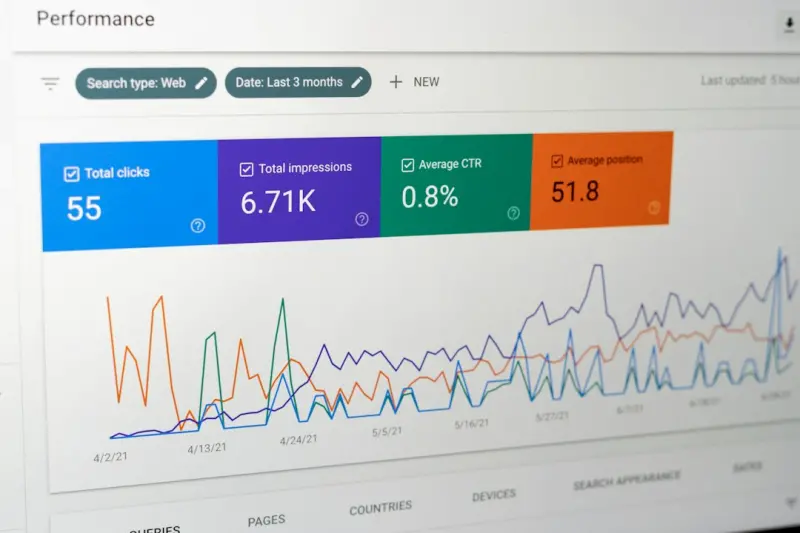
Most dashboards aggregate desktop and mobile data, masking the true performance of your mobile SEO initiatives. Set up separate views in Google Analytics (or GA4) for “mobile organic” traffic. Track these key metrics:
- Mobile organic sessions vs. desktop sessions.
- Landing page bounce rate on mobile – aim for < 45%.
- Conversion rate from mobile SERP clicks – the ultimate north star.
- Page load time (LCP, FID) for mobile users.
By segmenting the data, you’ll uncover insights such as which content formats perform best on mobile, where drop‑offs happen, and which SERP features (e.g., snippets, AMP) drive the highest ROI.
Putting It All Together: A Mobile SEO Playbook for SaaS Leaders
Here’s a concise checklist to keep on your desk (or phone) as you execute:
- Map mobile search intent for each buyer persona.
- Implement structured data for product, offer, and FAQ content.
- Ensure your PWA or SPA is crawlable via SSR or dynamic rendering.
- Create modular, bite‑size content with progressive disclosure.
- Consider AMP for high‑traffic landing pages.
- Build mobile‑relevant backlinks from device‑focused publications.
- Run at least one mobile‑specific SEO experiment per quarter.
- Optimize your knowledge base for mobile SERP visibility.
- Fine‑tune Core Web Vitals for 3G/4G connections.
- Set up dedicated mobile analytics dashboards.
When you treat mobile as a distinct channel—rather than an after‑thought—you’ll see not just higher rankings, but also a measurable lift in trial sign‑ups, demos, and long‑term customer retention. The mobile landscape is still fluid, and the early adopters who combine technical rigor with a deep understanding of on‑the‑go user intent will own the SERPs tomorrow.

Becky Putman is an Ottawa-based freelance writer and marketing professional with a passion for storytelling, animals, and community involvement. She enjoys creating engaging content that informs, inspires, and connects with readers.
Related Posts

Beyond the Viewport: PWAs, Core Web Vitals, and Mobile SEO for SaaS
Mobile SEO has evolved beyond responsive design. This post explores how PWAs, Core Web Vitals, struc... Read More

Mobile International SEO: Strategies to Rank Globally on Smartphones
Discover proven tactics for mobile international SEO—learn hreflang, geo‑targeting, localized sc... Read More

Mobile SEO Playbook for B2B SaaS: From Core Web Vitals to PWAs
This guide walks B2B SaaS leaders through a comprehensive mobile SEO strategy—covering Core Web Vi... Read More
Top Posts
API‑Driven Link Building for SaaS Growth
Learn how to transform link building into a programmable, data‑driven engine for SaaS companies, using APIs to discover, qualify, and automate outreach for hi...Read More

Log File Deep Dive: How SaaS Teams Can Decode Googlebot Behavior for Technical SEO Wins
A practical guide shows SaaS teams how to harvest server log data, decode Googlebot’s behavior, and turn hidden crawl insights into actionable technical SEO i...Read More

Turning Interactive Tools into Magnet Links for SaaS Growth
Learn a modern link‑building strategy that leverages interactive assets—calculators, demos, quizzes—to attract natural, high‑authority backlinks, boost ...Read More

The Evolution of Digital Marketing: Navigating the Shifting Landscape
The digital marketing landscape is constantly evolving. Learn how to navigate the shifting landscape and stay ahead of the curve with the latest trends and tech...Read More
0 Comments
Post Comment
You will need to Login or Register to comment on this post!