

Why Local SEO Still Matters for SaaS
When I first started talking about SEO with my fellow SaaS founders, the conversation always spiraled into global keyword research, backlink velocity, and the endless chase for domain authority. That’s a valid pursuit, but it’s also a bit like shouting into a canyon and hoping the echo reaches the next continent. In reality, most SaaS customers don’t discover us from some distant land first—they hear about us at a local meet‑up, through a neighbor’s recommendation, or when they search for a solution “near me.”
Local SEO isn’t just a buzzword reserved for brick‑and‑mortar shops. It’s a strategic lever that can surface your SaaS brand in the exact moment a prospect is looking for a solution within their geographic context. Think of it as planting a flag in the neighborhood where your future customers already live, work, or play.
Listening to the Neighborhood: Community Conversations
One of the most underrated sources of local relevance is the conversation happening right outside your office door. I’ve spent countless evenings at coworking spaces, local tech meet‑ups, and even the occasional farmers’ market. The topics that dominate these chats—remote‑work tools, compliance requirements, or the best local coffee for early‑morning coding—are gold mines for hyper‑local keyword ideas.
Here’s how I turn those overheard snippets into SEO power:
- Capture the language. Jot down the exact phrases people use. “Best time‑tracking app for freelancers in Austin” is far more specific—and valuable—than “time‑tracking app.”
- Validate search volume. Tools like Google Keyword Planner or AnswerThePublic can confirm whether those phrases have enough search interest to chase.
- Embed locally. Incorporate the city or neighborhood into your on‑page copy, blog titles, and meta tags. It tells search engines you’re speaking directly to that audience.
By weaving community vernacular into your content, you become the go‑to answer for the people who matter most.
Hyperlocal Signals You’re Probably Ignoring
Google’s algorithms have grown sophisticated enough to read the subtle cues that tell it where you’re located—and more importantly, where your users are searching from. Below are three hyperlocal signals that can tip the scales in your favor:
- Wi‑Fi and Beacon Data. If your SaaS product offers a physical presence—think a SaaS‑enabled kiosk, a demo lab, or a coworking partnership—leverage Wi‑Fi SSID names and Bluetooth beacons to signal location relevance. These signals can be captured via schema markup and fed into your local listings.
- Localized Structured Data. Beyond the classic
LocalBusinessschema, consider usingServiceAreaandgeoCoordinatesto pinpoint the exact neighborhoods you serve. This helps Google match your site to “near me” queries. - Local Event Markup. Hosting a workshop or webinar in a specific city? Add
Eventschema with the venue’s address. Google will surface your event in local search results, driving both attendance and brand visibility.
Most SaaS teams overlook these technical breadcrumbs because they assume they’re irrelevant. In reality, they’re the digital breadcrumbs that lead local prospects straight to your door.
Turning Reviews into Local Authority
Reviews are the new word‑of‑mouth, and they’re even more potent when they’re tied to a location. I remember the first time a client left a 5‑star review on our Google Business profile, specifically mentioning “the best project‑management solution for teams in Denver.” That single line propelled our rankings for “project‑management SaaS Denver” from page three to page one within weeks.
Here’s a quick recipe for building a review engine that fuels local SEO:
- Ask at the right moment. Prompt users right after they complete a milestone—like closing a deal or finishing a successful onboarding.
- Make it location‑specific. Include a gentle reminder to mention their city or neighborhood in the review.
- Showcase the love. Highlight positive local reviews on your website, in newsletters, and on social channels. This not only builds trust but also reinforces the local relevance signal.
And don’t forget to respond to every review, good or bad. Google loves active engagement, and it signals to other users that you care about the community.
Partnering with Local Influencers and Micro‑Events
Influencer marketing isn’t just for fashion and beauty. In the SaaS world, micro‑influencers—think local tech bloggers, community organizers, or even popular podcast hosts—can amplify your local presence dramatically.
When I partnered with a local fintech podcast host in Chicago, we co‑produced a short episode discussing “Compliance Challenges for Mid‑Market SaaS in the Midwest.” The episode was linked on their site, mentioned in the show notes, and shared across their local social groups. The result? A 45% spike in organic traffic from Chicago‑based searches within a month.
To replicate this success:
- Identify influencers who already speak to your target industry within a specific city.
- Offer them exclusive access to a new feature or a free trial in exchange for a review or a mention.
- Co‑create content—blog posts, webinars, or live demos—that can be embedded with localized schema markup.
This strategy not only earns backlinks but also injects local relevance into your brand narrative.
Leveraging AI to Decode Hyperlocal Intent
Artificial intelligence isn’t just for predictive analytics; it can also help you understand the nuance behind local search queries. For instance, the AI‑First SEO approach teaches us how generative models interpret user intent. Applying that lens locally, you can:
- Use AI‑driven tools to cluster “near me” queries by city, intent, and product type.
- Generate hyper‑specific landing pages that answer those clustered questions—think “Best CRM for real‑estate agents in Tampa” rather than a generic “CRM for real‑estate.”
- Automate the creation of localized FAQs, leveraging natural language generation to keep the tone human and conversational.
When you combine AI’s ability to parse intent with the human insights from community conversations, you get a local SEO engine that’s both data‑driven and deeply empathetic.
Micro‑Content Partnerships: Extending Your Local Reach
Content collaborations don’t have to be massive undertakings. In fact, the most effective ones are often bite‑sized and hyper‑targeted. I recently teamed up with a local university’s entrepreneurship club to produce a series of 5‑minute video snippets titled “Startup Tools for Boston Innovators.” Each snippet was hosted on the club’s website, cross‑linked to our product page, and optimized with VideoObject schema.
The results were immediate: a surge in “startup tools Boston” queries and a measurable lift in trial sign‑ups from the Boston area. If you want to explore this tactic, check out the Micro‑Content Partnerships post for a deeper dive on structuring these collaborations.
Measuring Success: The Local SEO Dashboard
All the tactics in the world are useless without a way to track performance. Here’s the minimal set of metrics I keep an eye on:
- Local Pack Rankings. Use tools like BrightLocal to monitor where your business appears for city‑specific queries.
- Google Business Insights. Track searches, views, and actions (calls, directions) by location.
- Review Volume & Sentiment. Monitor the number of new reviews per city and the average rating.
- Referral Traffic from Local Sites. Identify spikes from local news outlets, event pages, or influencer blogs.
- Conversion Rate by Geography. Use UTM parameters to segment leads and customers by city, then compare against the overall funnel.
When you see a particular city’s metrics moving in the right direction, double‑down with more localized content, events, or ad spend. When they plateau, it’s a signal to innovate—perhaps by experimenting with a new community partnership or a fresh review request strategy.
Putting It All Together: A 90‑Day Local SEO Sprint
Ready to take action? Here’s a quick roadmap you can follow over the next three months:
- Week 1‑2: Community Listening. Attend two local tech events, capture phrases, and compile a list of hyper‑local keywords.
- Week 3‑4: Content Creation. Write three blog posts targeting those keywords, each with localized schema.
- Week 5‑6: Review Engine. Deploy an automated email sequence asking recent customers for location‑specific reviews.
- Week 7‑8: Influencer Outreach. Identify three micro‑influencers in your top two target cities and pitch a co‑created piece.
- Week 9‑10: AI‑Powered Intent Mapping. Use an AI tool to analyze “near me” queries and generate additional landing pages.
- Week 11‑12: Dashboard Launch. Set up your local SEO dashboard and begin weekly reporting.
By the end of this sprint, you should see measurable lifts in local pack visibility, review count, and city‑specific traffic—all without sacrificing your broader, global SEO efforts.
Final Thoughts
Local SEO isn’t a side project; it’s a core growth channel that can deliver high‑intent, high‑conversion leads right to your SaaS doorstep. By listening to neighborhood conversations, leveraging hyperlocal technical signals, turning reviews into authority, partnering with local influencers, and harnessing AI to decode intent, you’ll build a resilient, community‑anchored growth engine.
So next time you draft a global SEO strategy, remember to tuck a local chapter into it. The neighborhoods you serve are waiting to discover you—give them a reason to.

When it comes to the world of blogging and writing, Rose DesRochers is a name that stands out. Her passion for creating quality content and connecting with her audience has made her a trusted voice in the industry. Aside from her skills as a writer and blogger, Rose is also known for her compassionate nature.
Related Posts

Neighborhood Partnerships: The Untapped Engine Driving Hyper‑Local SEO
Learn why teaming up with neighboring shops creates a powerful SEO network, turning local citations ... Read More

Micro‑Local Content Hubs: Turning Your Neighborhood Into a Ranking Engine
Learn how to map, create, and promote micro‑local content hubs that turn neighborhood stories into... Read More
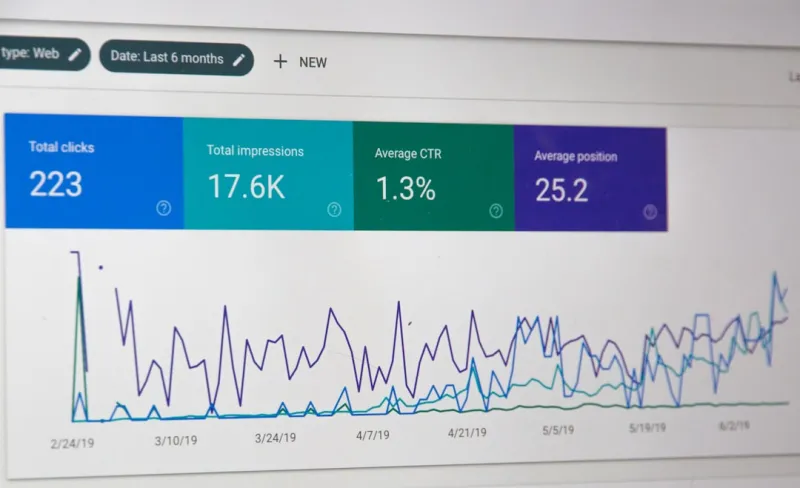
Local SEO in 2026: Authentic Strategies to Dominate Your Neighborhood
A fresh look at local SEO in 2026, combining AI tools, genuine community ties, and technical excelle... Read More
Top Posts

Beyond the First Click: Mastering SERP Personalization for Modern Brands
This post explores the rise of SERP personalization, breaking down the data signals, micro‑intent clustering, and schema strategies you need to dominate searc...Read More

Why Voice‑First Marketing Is the Missing Piece in SaaS Growth
Explore a practical, 90‑day plan for SaaS marketers to adopt voice‑first strategies—from content audits and podcasts to smart‑speaker skills and convers...Read More

Why Employee Advocacy Is the Missing Piece in Your B2B Social Playbook
Learn why employee advocacy can transform your B2B social strategy, extending reach, building credibility, and feeding the sales pipeline—all while fostering ...Read More

The Intersection of Social Media and SEO: A Winning Strategy
Learn how to leverage the intersection of social media and SEO to boost your online visibility, drive more traffic to your website, and ultimately, increase you...Read More
0 Comments
Post Comment
You will need to Login or Register to comment on this post!