

Why Mobile SEO Matters More Than Ever
In 2024 the digital landscape has fully embraced the mobile‑first paradigm, and every marketer who still treats desktop as the primary battleground is watching their traffic evaporate faster than a summer puddle. Google’s mobile‑first indexing now crawls, renders, and ranks pages exclusively on their mobile versions, which means that a site’s speed, usability, and structured data on a smartphone are the only factors that truly count for rankings, impressions, and ultimately conversions; the ripple effect of a slow mobile experience touches everything from ad spend efficiency to brand perception. I’ve distilled the most critical shifts into a quick‑read cheat sheet that blends data‑driven insights with the kind of tactical nuance you won’t find in generic guides, and if you’re hungry for the broader strategic context you can dive deeper into The 2024 SEO Playbook where I map out the whole ecosystem.
Core Web Vitals: The Mobile Metric Marathon
Core Web Vitals have become the gatekeepers of mobile visibility, with Largest Contentful Paint (LCP) under 2.5 seconds, First Input Delay (FID) below 100 ms, and Cumulative Layout Shift (CLS) under 0.1 forming the holy trinity that Google’s algorithm now rewards with higher rankings and richer SERP features. Achieving these thresholds on a mobile device is a different beast than on a desktop because network latency, processor speed, and touch‑interaction nuances all compound the challenge, demanding a holistic approach that starts at the server level—think HTTP/2, edge caching, and intelligent image formats—then cascades down through responsive design and lazy‑loaded assets. My recent audit of high‑traffic sites revealed that simply switching to WebP images and enabling compression on static resources can shave up to 800 ms off LCP, a win that translates directly into better user engagement and a measurable bump in organic click‑through rates.
Progressive Web Apps and AMP: The New Front‑End
While the hype around Accelerated Mobile Pages (AMP) has softened, the underlying philosophy of delivering instant, lightweight experiences lives on in Progressive Web Apps (PWAs), which combine the reach of the web with the speed of native apps, and this hybrid model is now a top recommendation in the Mobile SEO Mastery in 2024 guide. PWAs give you the ability to cache critical assets, run background sync, and push notifications—all without sacrificing the SEO benefits of a fully indexable HTML page, meaning you can win on both the performance and authority fronts simultaneously. For brands that are still on the fence, consider a phased rollout: start by auditing your most trafficked landing pages for PWA eligibility, then incrementally add service workers and a web manifest to test real‑world performance gains before committing to a full‑scale app‑like experience.
Structured Data & Local Signals on the Go
Structured data has graduated from a nice‑to‑have to a must‑have for mobile SERPs, especially as Google rolls out more “mobile‑first” rich results such as local packs, FAQ snippets, and product carousels that appear directly in the mobile search overlay. By implementing schema.org markup for LocalBusiness, Product, and FAQPage you give Google the context it needs to surface your content in a format that fits the limited screen real estate of a phone, dramatically increasing click‑through potential even before a user scrolls. Pair this with a mobile‑optimized Google My Business profile, accurate NAP (Name, Address, Phone) data, and fast loading times, and you’ll see a synergistic boost where local relevance and speed reinforce each other in the algorithm’s eyes.
Voice Search and AI: The Mobile Conversation
Voice search has exploded on mobile devices, with AI‑driven assistants now handling a third of all queries, and the conversational nature of these searches demands a shift from keyword stuffing to answering the “who, what, when, where, why” of a user’s intent in natural language. This means re‑architecting your content to include concise, question‑based headings, featured‑snippet‑friendly paragraphs, and schema markup that signals answerability, all while keeping the content mobile‑readable with short sentences and ample white space. When you align your content strategy with the way people speak to their phones, you not only capture a growing share of voice‑driven traffic but also position your brand as an authority in the emerging AI‑enhanced SERP landscape.
Content Crafting for Thumb‑Friendly Readers
Mobile readers are scrolling with their thumbs, not scanning with a mouse, so the visual hierarchy of your content must accommodate quick, bite‑sized consumption without sacrificing depth or relevance. Use bolded subheadings, bullet points, and short paragraphs—ideally no more than two sentences each—to create natural pause points, and leverage a
- concise headline
- clear call‑to‑action
- visual cue like an icon or emoji
to guide the eye; this format not only improves dwell time but also signals to Google that your page provides a pleasant mobile experience. Remember, the goal isn’t to dumb down your message but to present it in a way that aligns with the ergonomic constraints of a handheld device, and that alignment is a direct ranking factor in Google’s mobile‑first algorithm.
Link Building & Authority in a Mobile World
Link building remains a cornerstone of SEO, but on mobile the quality and relevance of inbound links carry even more weight because they serve as trust signals that compensate for the limited on‑page real‑estate available to convey authority. Focus on earning links from mobile‑optimized publications, industry podcasts, and apps that embed your content in a responsive format, and when you secure a link, audit the referring page’s own mobile performance to ensure you’re not inheriting a penalty through association. My own experience, documented in the Mobile SEO in 2024 playbook, shows that a strategic blend of high‑authority editorial links and niche, mobile‑centric backlinks can lift mobile rankings faster than any on‑page tweak alone.
Your Mobile SEO Action Plan for 2024
Start by running a comprehensive mobile audit that checks Core Web Vitals, responsive design integrity, and structured data accuracy, then prioritize fixes that deliver the biggest performance win for the least effort—usually image optimization, server response time reduction, and lazy loading of off‑screen assets. Next, implement a phased PWA rollout on your top‑traffic pages, enrich each with appropriate schema markup, and craft thumb‑friendly content that anticipates voice queries and provides clear, concise answers. Finally, amplify your authority through mobile‑centric link building, monitor the impact with a mobile‑only analytics view, and iterate every quarter; this disciplined loop ensures you stay ahead of Google’s evolving mobile algorithms and keep your brand at the top of the SERP ladder.

Shawn DesRochers is a certified Microsoft technician and Programmer with 30+ year's experience. He has written many reviews on computer related products, software, and SEO related topics. When he's not writing reviews he can be found at one of the Oldest Directories Online Domain Authority Directory which he is the CEO of.
Related Posts
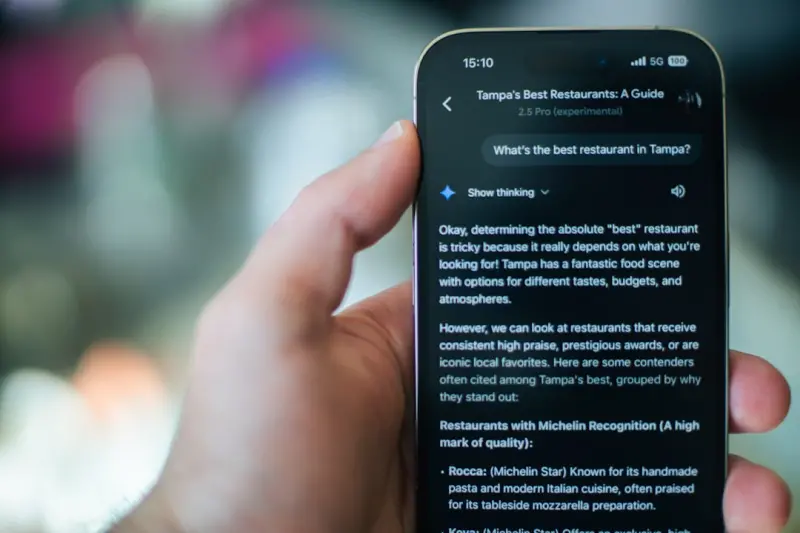
Leveraging Progressive Web Apps for Mobile SEO Success
Explore why progressive web apps are the secret weapon for mobile SEO, from faster Core Web Vitals t... Read More

Mobile Core Web Vitals: The Secret Sauce for Ranking on Smartphones
Discover the essential tactics to improve Mobile Core Web Vitals, from LCP hacks to AI‑powered mon... Read More

The Mobile SEO Playbook You’ve Been Ignoring
A practical guide for SaaS marketers that covers mobile‑first indexing, performance metrics, deep ... Read More
Top Posts

Beyond Listings: How Local Reviews Can Turbocharge Your Search Rankings
Learn why reviews matter more than keywords, how to collect them ethically, and turn feedback into a sustainable SEO engine for your brick‑and‑mortar busine...Read More

Mastering the Art of Ephemeral Content for Modern Brands
Learn why the fleeting nature of ephemerals is a powerful tool for brands, from crafting serialized narratives to leveraging user‑generated clips, and how to ...Read More

Community Partnerships: The Hidden Engine Behind Local SEO Success
Discover a fresh approach to local SEO that goes beyond citations, leveraging community partnerships, local events, and user‑generated content to boost rankin...Read More
How Private B2B Communities Turn Conversations into Conversions
Private B2B communities shift social strategy from noisy broadcasting to focused dialogue, delivering trust, product feedback, and high‑quality leads—all wi...Read More
0 Comments
Post Comment
You will need to Login or Register to comment on this post!