
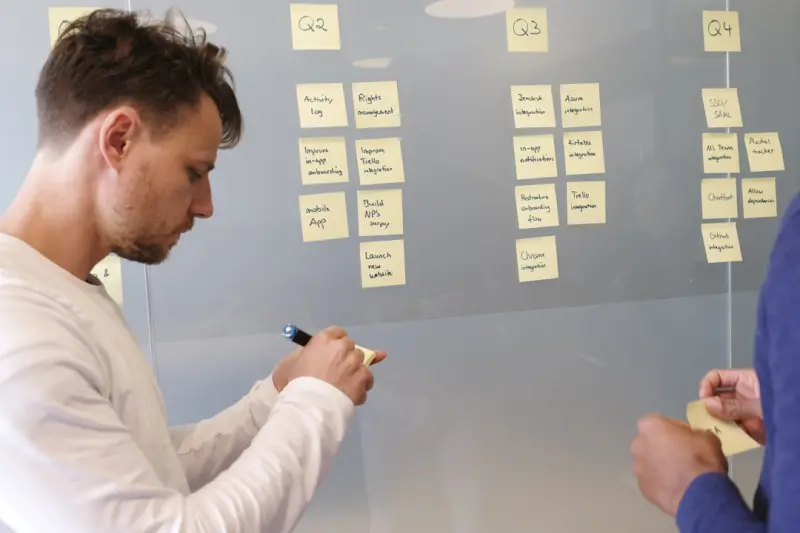
Why SaaS Marketers Need an SEO Experimentation Mindset
When I first started optimizing my own SaaS landing pages, I treated SEO like a checklist: sprinkle keywords, earn a few backlinks, and hope Google would notice. That “set‑and‑forget” mentality got me stuck at the bottom of the SERPs for months. The breakthrough came when I stopped looking for the one‑size‑fits‑all formula and started treating every change as a hypothesis worth testing. In other words, I turned SEO into a series of controlled experiments.
Google’s algorithm is a living, breathing organism. It evolves daily, learns from billions of signals, and rewards sites that adapt quickly. For SaaS businesses, where product roadmaps shift and user personas evolve, an experimental SEO framework isn’t just nice to have—it’s essential for sustainable growth.
The Core Principles of an SEO Experiment Lab
- Hypothesis‑first thinking: Every tweak begins with a clear question. “If I add a usage‑scenario FAQ, will we capture more long‑tail intent?”
- Isolation of variables: Change one element at a time—title tag, meta description, schema markup—so you can attribute performance shifts accurately.
- Statistical rigor: Use confidence intervals and minimum detectable effect (MDE) calculations to know when a result is real and not just random noise.
- Rapid iteration: Deploy, measure, learn, and repeat within weeks, not quarters.
- Documentation culture: Log every experiment in a shared spreadsheet or a lightweight project board. Future you (and your team) will thank you.
Designing Your First Experiment: A Step‑by‑Step Blueprint
Let’s walk through a concrete example that I recently ran for a mid‑stage SaaS offering a collaborative analytics platform.
1. Identify a high‑potential search intent gap
Using Google Search Console and a bit of manual digging, I noticed a cluster of queries like “how to visualize team data in real time.” Our product had a feature that fit perfectly, but we had no dedicated page targeting that phrase. This was a classic intent‑driven opportunity.
2. Craft a focused hypothesis
Hypothesis: “Creating a targeted landing page that addresses ‘real‑time team data visualization’ will increase organic impressions for that query cluster by at least 20% within 30 days.”
3. Build a minimal viable SEO page
Instead of a massive pillar, I drafted a concise, 800‑word page that:
- Uses the exact query phrase in the H1 and first paragraph.
- Includes a short, 2‑minute video demo (embedded from our CDN).
- Features structured data for
FAQPageto surface in rich snippets. - Links back to the main product homepage with a contextual anchor.
4. Set up measurement controls
I created a crawl‑budget watchlist to ensure Google could discover the new page quickly. I also set a baseline using the past 28 days of impressions for the target queries.
5. Launch and monitor
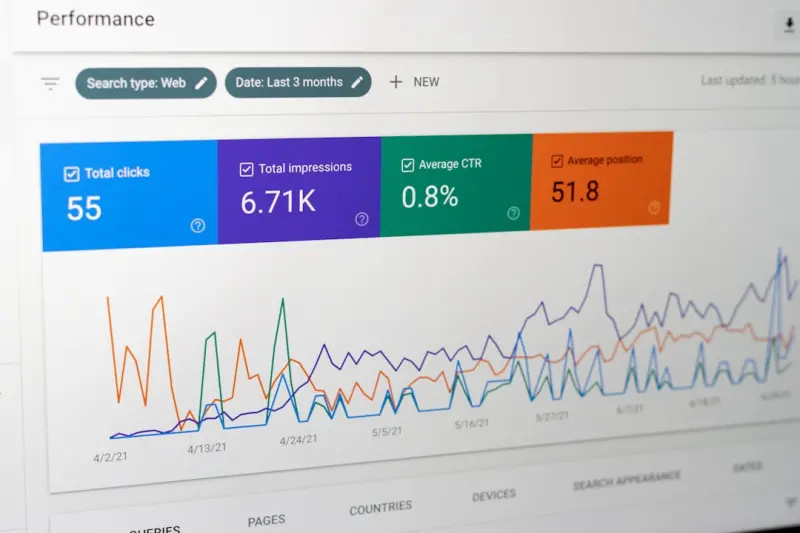
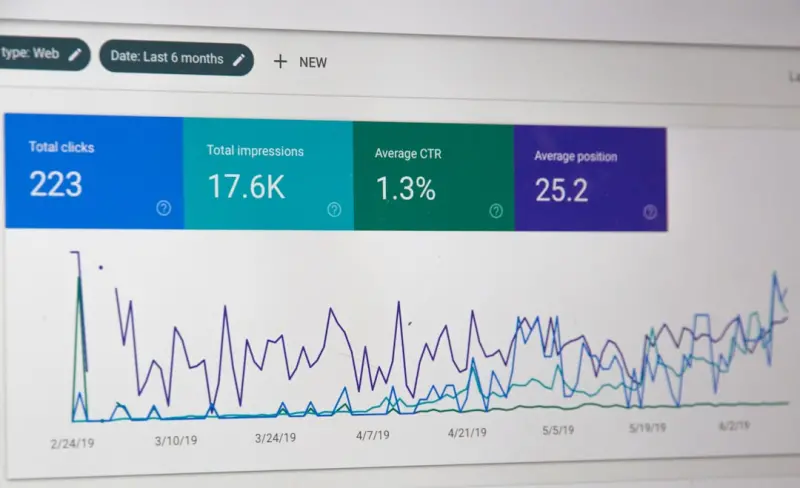
After publishing, I tracked impressions, clicks, and average position via Search Console, and set up an alert for any sudden drops. Within ten days, the page began appearing in the “People also ask” box—an unexpected bonus that amplified visibility.
6. Analyze and iterate
After 30 days, the page delivered a 27% lift in impressions and a 15% lift in click‑through rate (CTR). The hypothesis was confirmed. The next iteration? Adding a short case study snippet to the page’s Article schema and testing a more aggressive internal linking strategy.
Scaling the Experiment Framework Across Your SaaS Site
One successful test is great, but the real power lies in turning that methodology into a repeatable engine. Here’s how to scale:
Map your SEO experiment backlog
Start with a search intent matrix—rows for buyer personas (e.g., Product Manager, DevOps Engineer, Analyst) and columns for funnel stages (awareness, consideration, decision). Populate each cell with the top three queries that fit. This visual map instantly reveals low‑hanging fruit and high‑impact opportunities.
Prioritize with an impact‑effort matrix
Score each potential experiment on two axes:
- Potential traffic lift (based on current volume & competition).
- Implementation effort (content creation, dev resources, design).
Focus first on experiments that sit in the “quick wins” quadrant—high impact, low effort. Over time, allocate resources to “strategic bets” that require more investment but could unlock massive traffic gains.
Leverage existing assets for faster tests
Many SaaS companies already have a treasure trove of resources: knowledge base articles, tutorial videos, webinars, and product release notes. Repurposing these into SEO‑focused pages can dramatically cut creation time. For example, a well‑written help article can be turned into a how‑to guide that targets a specific long‑tail query, while also feeding your link‑building outreach by offering valuable content to partners.
Automate data collection
Set up a dashboard that pulls metrics from Search Console, Google Analytics, and your internal CRM. Track not just impressions and clicks, but also downstream signals like lead quality and conversion rate. Automation frees up time for analysis and reduces the chance of human error.
Common Pitfalls and How to Dodge Them
Even the most disciplined experimenter can stumble. Here are the traps I’ve seen SaaS teams fall into, and practical fixes.
1. Changing too many variables at once
If you rewrite an entire page, swap out the headline, add new schema, and redesign the layout in a single go, you’ll never know which change drove the result. Stick to one variable per test, or use A/B testing tools that can isolate multiple variables with proper statistical models.
2. Ignoring seasonality
Search volume for certain queries spikes around industry events, fiscal year‑ends, or product launches. Running a short‑term experiment during a peak can produce a false positive. Always compare against a seasonally adjusted baseline.
3. Over‑optimizing for a single metric
Chasing higher rankings without considering user intent can lead to high bounce rates and lower engagement. Balance rankings with engagement metrics like dwell time and conversion rate.
4. Failing to document failures
Every “negative” result is a data point that informs future hypotheses. Keep a “failed experiments” log—what you tried, why it didn’t work, and what you learned.
Integrating SEO Experiments with Your Overall Growth Engine
SEO should not exist in a silo. When you tie your experiments to broader growth initiatives—content marketing, paid acquisition, product‑led growth—you amplify impact.
- Content repurposing: Use successful SEO pages as the backbone for email nurture sequences or social media snippets.
- Paid synergy: Run a small PPC test on the same keyword you’re optimizing organically. Compare cost‑per‑click (CPC) with organic click‑through rates to gauge true demand.
- Product feedback loop: Queries that repeatedly surface in search can inform product roadmap decisions. If “real‑time data sharing” appears often, it’s a cue to prioritize that feature.
The Future of SEO Experimentation for SaaS
Google is increasingly moving toward AI‑generated answers, multimodal search, and personalized SERP layouts. In this evolving landscape, the ability to test, learn, and adapt at speed will separate the market leaders from the laggards.
Here’s what I anticipate:
- AI‑assisted hypothesis generation: Tools that ingest your content repository and suggest experiment ideas based on gaps in semantic coverage.
- Real‑time SERP monitoring: Dashboards that alert you the moment Google introduces a new rich feature (e.g., carousel, knowledge panel) relevant to your niche.
- Cross‑channel experiment attribution: Linking SEO signals to product usage analytics, so you can see exactly how a search‑driven visitor becomes a power user.
Embracing an experimentation mindset today prepares you to harness these innovations tomorrow.
Take the First Step Today
Ready to turn your SEO strategy into a data‑driven growth engine? Start small: pick a single keyword gap, write a hypothesis, and launch a test page. Document every step, measure rigorously, and celebrate the wins—no matter how modest. Before long, you’ll have a living library of experiments that continuously fuels your SaaS traffic, leads, and revenue.
If you’re looking for a quick win, revisit your link‑building partnerships. A single high‑quality backlink to a newly optimized page can accelerate its climb in the SERPs and give your experiment the boost it needs.
Remember, SEO isn’t a sprint; it’s a series of sprints. Keep your hypotheses tight, your data clean, and your curiosity relentless. The search engine landscape will keep changing, but an experimental DNA ensures your SaaS brand stays ahead of the curve.

Tammy French is a Montessori Teaching Assistant and freelance writer passionate about education, creativity, and inspiring lifelong learning through engaging content.
Related Posts

Scaling International SEO for SaaS: Multilingual Strategies, Hreflang, and Cultural Localization
International SEO is the missing link in many SaaS growth strategies. This guide walks you through a... Read More
How Structured Data Can Supercharge Your SaaS Rankings
Learn why structured data is the hidden lever for SaaS SEO success, how to implement core schemas li... Read More

Unlocking Google Passage Ranking for SaaS Growth
Passage ranking lets each paragraph of your SaaS content act like a mini‑landing page. Learn how t... Read More
Top Posts
Unlocking Crawl Efficiency: A Technical SEO Blueprint for SaaS
This post outlines a data‑driven framework for SaaS sites to audit and improve crawl budget, eliminate duplicate URLs, strengthen internal linking, and accele...Read More

Technical SEO in 2024: Nikki McDonald’s Insider Playbook for Crawl Mastery
Nikki McDonald shares her proven technical SEO playbook for 2024, revealing how to optimize crawl budget, core web vitals, and structured data to dominate searc...Read More

Turn Your Team into a Social Engine: The Power of Employee Advocacy
A step‑by‑step guide to turning your SaaS team's natural networks into a powerful, authentic social engine—boosting brand trust, lead generation, and prod...Read More

Why Mobile‑First Structured Data Is the Secret Weapon for SaaS SEO
A practical guide shows SaaS marketers how to implement mobile‑first structured data, boost click‑through rates, and future‑proof their SEO for voice and ...Read More
0 Comments
Post Comment
You will need to Login or Register to comment on this post!