

Why SERP Volatility Isn’t a Bug, It’s a Feature
Every time you open a browser and type a SaaS‑related keyword, you’re greeted by a moving target. One day your product demo sits proudly at position three, the next it’s slipping to page two, and a few weeks later a brand new “People also ask” box steals the spotlight. For many marketers, this roller‑coaster feels like a nightmare. For those who learn to read the motion, however, it’s a gold mine.
The Anatomy of a Fluctuating SERP
Google’s algorithm isn’t static; it’s a living ecosystem that reacts to fresh content, user behavior, and even seasonal trends. A typical SERP volatility cycle for a SaaS keyword looks like this:
- Seed Phase: A fresh blog post or product release triggers a short‑term boost.
- Stabilization: Competitors respond with their own content, and Google recalibrates relevance signals.
- Personalization Spike: User‑specific factors—location, past clicks, device—push the result into a different position for different audiences.
- Feature Saturation: New SERP features (e.g., video carousel, related searches) appear, reshuffling the order of organic listings.
Understanding each stage lets you anticipate the next move and prepare a tactical response instead of scrambling after the fact.
Data‑Driven Diagnosis: Turning Logs Into a Playbook
Before you can tame volatility, you need to know exactly how it’s happening. While many SaaS teams focus on rankings, the real story lives in the raw crawl data and click‑through logs. By pulling data from log file analyses, you can answer three crucial questions:
- Which Googlebot variants are visiting your pages, and how often?
- Are there spikes in crawl frequency that correlate with ranking changes?
- Which URLs are gaining impressions but losing clicks, indicating a SERP feature takeover?
When you map these insights against ranking trends, patterns emerge: perhaps a new People also ask entry is cannibalizing your meta description, or a video snippet is pushing your landing page down.
Strategic Responses to the Four Volatility Triggers
1. Content Refresh & Expansion
When a seed phase boost fades, treat it as a cue to iterate. Instead of a simple rewrite, add depth:
- Include data‑driven case studies that speak to different buyer personas.
- Embed short, captioned video demos—Google loves multimedia for SERP video carousels.
- Structure the content with clear
<h2>and<h3>hierarchy to help Google identify sub‑topics for featured snippets.
2. Competitor Gap Mapping
Use a SERP monitoring tool to flag URLs that consistently outrank you for the same query. Then:
- Perform a content gap analysis—what do the top pages cover that you don’t?
- Identify any structured data tactics they employ (FAQ schema, How‑To schema) and replicate where relevant.
- Target long‑tail variations where the competition is weak, creating a “safety net” of rankings that are less prone to volatility.
3. Personalization Playbooks
Google tailors results based on the searcher’s context. If your SaaS product serves multiple verticals, you can win by:
- Creating geo‑specific landing pages that surface local case studies.
- Building audience‑specific micro‑pages that speak directly to the pain points of each persona.
- Leveraging SERP real estate strategies such as “site links” and “sitelinks search box” to guide users straight to the right vertical.
4. Feature‑First Optimization
When a new SERP feature appears—be it a carousel, a “Top stories” block, or a “Featured snippet”—the old rule of “top ten organic spots” no longer applies. Instead, aim to:
- Identify the feature’s content requirements (e.g., concise answer for a snippet, high‑resolution thumbnail for a carousel).
- Produce a dedicated asset that meets those specs—think a 30‑second explainer video for a carousel or a well‑structured Q&A for a snippet.
- Mark up the asset with the appropriate schema so Google can surface it automatically.
Turning Volatility Into an Insight Engine
The ultimate advantage comes from treating ranking swings as a continuous feedback loop rather than a problem to fix. Here’s a repeatable workflow you can embed into your SEO calendar:
- Weekly SERP Snapshot: Capture the top 10 positions for core SaaS keywords, noting any new features.
- Signal Correlation: Align the snapshot with content updates, PR announcements, or product releases that occurred the prior week.
- Action Plan: If a drop aligns with a competitor’s new video, schedule a video asset rollout. If a snippet appears, draft a concise answer to claim it.
- Post‑Implementation Review: After two weeks, measure impression and click changes to validate the impact.
This cadence transforms what feels like chaos into a predictable, data‑driven process.
Case Study: A SaaS CRM’s Journey from Rank Roller‑Coaster to Predictable Growth
AcmeCRM, a mid‑size CRM platform, was plagued by weekly ranking swings on its flagship keyword “cloud CRM software.” Their traffic fluctuated between 5K and 12K monthly sessions, making revenue forecasting a nightmare.
By applying the volatility framework, they discovered three key pain points:
- A competitor’s new “how‑to” video was dominating the video carousel, stealing 30% of click‑throughs.
- Google had started showing a “People also ask” box that answered “What is a cloud CRM?” with a competitor’s definition.
- Their meta description was being truncated by a newly introduced “sitelinks search box.”
AcmeCRM responded with a three‑pronged attack:
- Produced a 45‑second explainer video optimized for the carousel, including relevant
VideoObjectschema. - Created a dedicated FAQ page that directly answered the top “People also ask” question, marked up with
FAQPageschema. - Rewrote the meta description to fit the new character limits and added a clear call‑to‑action for the sitelinks search box.
Within six weeks, the brand’s organic impressions rose by 28%, and the click‑through rate (CTR) for the primary keyword stabilized at 5.2%—a 1.8× improvement over the previous volatility‑induced average.
Tools & Resources to Keep You Ahead
While you can build a custom pipeline, the following tools make the process faster and more reliable:
- SERP API Services: Pull real‑time feature data (snippets, carousels, related questions).
- Log Analyzer Platforms: Visualize crawl patterns and identify bots that target specific SERP features.
- Schema Generators: Quickly produce structured data markup that complies with Google’s latest guidelines.
- Heatmap & Click‑Tracking Tools: Measure how users interact with different SERP features, informing which assets deserve investment.
Future‑Proofing: Anticipating the Next Wave of SERP Evolution
Google’s roadmap hints at deeper integration of AI‑generated answers, augmented reality snippets, and even “shopping‑style” product cards for B2B solutions. To stay ahead:
- Invest in AI‑assisted content creation that can produce concise, fact‑checked answers at scale.
- Experiment with AR‑ready assets (e.g., 3D product demos) that could one day appear in visual SERP modules.
- Build a modular content architecture—think “content blocks” that can be repurposed for any emerging feature.
By treating SERP volatility as a strategic lever, SaaS marketers can turn uncertainty into a competitive advantage, driving sustainable traffic, qualified leads, and ultimately, growth.

Shawn DesRochers is a certified Microsoft technician and Programmer with 30+ year's experience. He has written many reviews on computer related products, software, and SEO related topics. When he's not writing reviews he can be found at one of the Oldest Directories Online Domain Authority Directory which he is the CEO of.
Related Posts

Mastering the Zero‑Click SERP: Turning Visibility into Value
Explore the rise of zero‑click searches, learn strategies to capture featured snippets and AI answ... Read More

The SERP Stage: How SaaS Brands Can Own Every Search Feature
The SERP is no longer just a list of links. Discover a step‑by‑step strategy for SaaS marketers ... Read More

Why SaaS Marketers Should Bet on AI‑Generated SERP Snippets
AI‑generated SERP snippets are redefining search real estate for SaaS brands. This post explains w... Read More
Top Posts
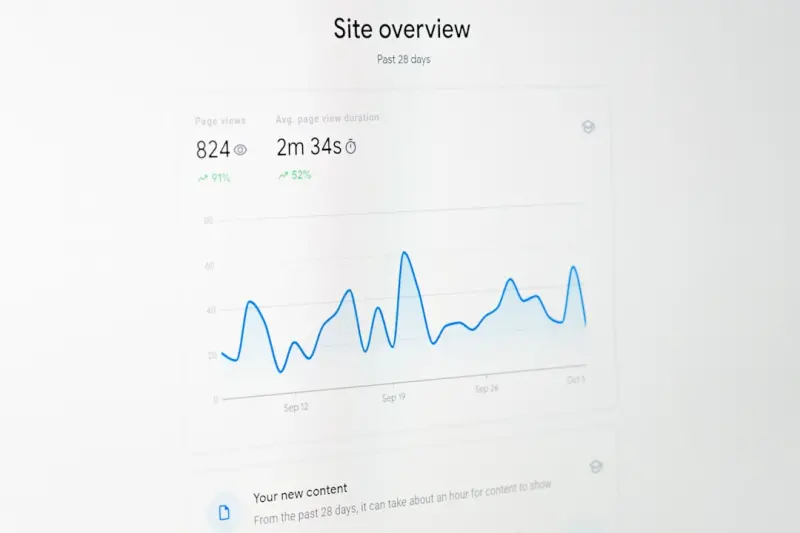
Beyond the Text Box: How Visual SERP Features Are Redefining Search Visibility
Visual SERP features like image carousels and video previews are stealing the spotlight from traditional text links. Discover why they matter, how to optimize f...Read More
SEO Alchemy: Transforming SaaS Customer Forums into Ranking Power
Learn how to harvest, optimize, and amplify user‑generated forum content into structured, search‑friendly pages that drive organic traffic, strengthen autho...Read More

Visual Search Optimization: Turning Images into Traffic Magnets
Discover strategies to make your images rank in visual search, from file naming to schema, and unlock a new traffic source for your site....Read More

Local SEO Secrets: Turning Neighborhood Connections Into Rankings
Learn the empathetic approach to local SEO that transforms community signals, reviews, and mobile experience into higher rankings and lasting customer loyalty....Read More
0 Comments
Post Comment
You will need to Login or Register to comment on this post!