
When I first dug into Google’s ever‑shifting ranking algorithm, I was convinced that keywords were the holy grail. Years later, after countless experiments with content clusters, link‑building campaigns, and even voice‑search tweaks, I’ve realized the real differentiator isn’t the words you write—it’s the data you give Google about those words.
Why Structured Data Matters More Than Ever for SaaS Brands
Structured data is the language that lets search engines understand the semantic intent behind your pages. While traditional SEO tactics focus on “what the user says,” structured data tells Google “what the page actually is.” For SaaS companies, this means turning a bland product landing page into a rich, interactive search result that can answer questions, showcase pricing, and even collect leads—without a single extra click.
Google’s rich results are no longer a novelty; they’re a baseline expectation. A well‑implemented schema markup can surface your SaaS offering in a snippet that converts, boost click‑through rates, and, crucially, signal relevance to the algorithm. In a competitive space where dozens of tools vie for the same keyword, the extra visual real estate can be the deciding factor.
Getting Started: The Core Schemas Every SaaS Site Should Deploy
Before you dive into the endless list of schema types, focus on the handful that deliver the biggest ROI for SaaS businesses.
- Product – Describes your software’s name, description, brand, offers, and aggregate rating. When paired with offers, it can display pricing tiers directly in the SERP.
- FAQ – Turns common support or feature questions into expandable snippets that answer prospects instantly.
- HowTo – Perfect for onboarding guides or “getting started” tutorials, showing step‑by‑step instructions right on the search page.
- Review – Leverages customer testimonials and third‑party ratings, building trust before the user even lands on your site.
- SoftwareApplication – A specialized subtype of Product that captures OS compatibility, licensing, and feature sets, ideal for SaaS platforms that run across browsers and devices.
Implement these schemas using JSON‑LD (Google’s recommended format). Place the script tag in the <head> of the page, or inject it dynamically with a server‑side solution if your content is highly personalized.
From Theory to Practice: A Walkthrough of a SaaS Pricing Page
Imagine you run a project‑management SaaS with three pricing tiers: Starter, Professional, and Enterprise. Here’s how you could enrich that page:
- Define the Product schema for each tier, including
priceCurrency,price, andavailability. - Add FAQ schema for common pricing questions: “Can I cancel anytime?” “Is there a free trial?” and “What’s the refund policy?”
- Layer Review schema with excerpts from verified customer reviews, linking to the source platform for credibility.
The result? Google may render a multi‑tiered rich snippet that shows all three plans, their prices, and a short FAQ, right beneath the title. Users can compare options without scrolling, dramatically improving the chance they click through to your checkout flow.
Testing & Validating Your Markup
Google offers two indispensable tools:
- Rich Results Test – Validates your markup against Google’s current guidelines.
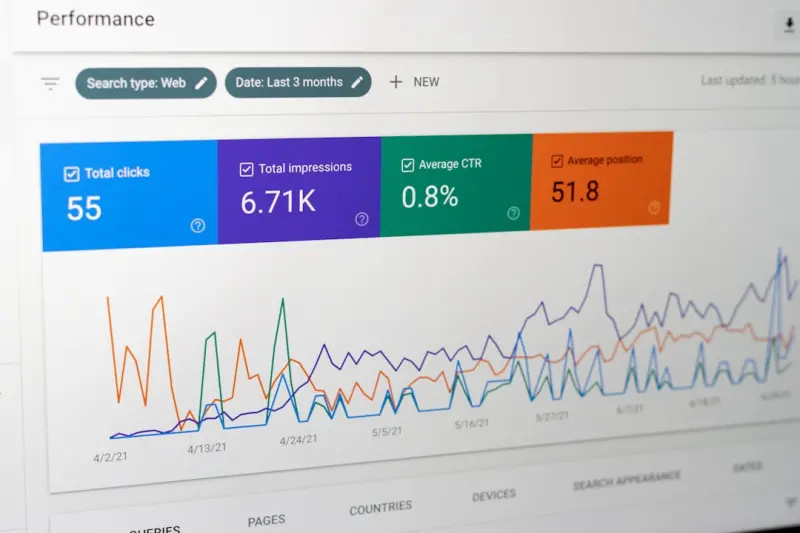
- Search Console – Monitors the performance of your rich results, showing impressions, clicks, and any markup errors.
When you first implement a new schema, expect a short latency period (often 24‑48 hours) before Google processes it. Use the “Coverage” report in Search Console to track indexing status and to catch any “invalid markup” warnings early.
Advanced Tactics: Combining Structured Data with Topic Clusters
While I’ve championed topic clusters elsewhere (mastering topic clusters), pairing them with structured data creates a synergistic effect. Each pillar page can be annotated with Article schema, while supporting blog posts get BlogPosting markup. This hierarchy tells Google that the content is interlinked for a single, overarching theme, increasing the chance of a “knowledge panel” or “featured snippet” appearance for your core SaaS concepts.
For example, a pillar page titled “The Ultimate Guide to Remote Collaboration Software” could feature:
- Article schema on the pillar itself.
- FAQ schema for each sub‑topic (e.g., “What is real‑time editing?”).
- HowTo schema for step‑by‑step setup tutorials linked from the pillar.
This multi‑layered approach not only boosts SEO relevance but also enhances the user journey, guiding prospects from awareness straight to product evaluation.
Schema for International SaaS: Navigating Multilingual Challenges
Many SaaS companies operate globally. Here’s how to handle structured data across languages:
- Duplicate the markup on each language version of a page, translating
name,description, and FAQ questions accordingly. - Use the
inLanguageproperty to explicitly declare the language (e.g.,"en-US"or"fr-FR"). - Implement hreflang tags in the HTML head to inform Google of language alternatives, preventing duplicate‑content penalties.
When done correctly, Google can surface the appropriate language‑specific rich snippet to the right audience, reducing bounce rates and improving conversion metrics.
Measuring the Impact: From Rich Results to Revenue
Rich snippets are a vanity metric without business context. Connect your structured‑data performance to revenue by:
- Tracking Impression Share for each rich result type in Search Console.
- Creating a custom dimension in your analytics platform to capture “Clicked Rich Snippet” events.
- Mapping those events to downstream funnel steps (e.g., free‑trial sign‑up, demo request, paid conversion).
Over a 90‑day period, many SaaS teams see a 15‑30 % lift in click‑through rates and a measurable boost in MQL (Marketing‑Qualified Lead) volume directly attributable to structured data.
Common Pitfalls and How to Avoid Them
Even seasoned marketers stumble on these traps:
- Over‑Marking – Adding every possible schema type can look spammy. Stick to relevant types that truly describe the content.
- Stale Markup – When pricing changes, update the JSON‑LD immediately. Out‑of‑date schema leads to “price mismatch” warnings and can hurt trust.
- Ignoring Mobile‑First Indexing – Ensure your markup renders correctly on mobile devices, as Google primarily crawls the mobile version.
- Neglecting Accessibility – Structured data should complement, not replace, clear on‑page copy. Users who rely on screen readers still need well‑written content.
Future‑Proofing Your SEO Strategy
Google is rolling out AI‑driven features like generated snippets and searchable PDFs. While we can’t predict every algorithmic tweak, a solid foundation of structured data positions your SaaS site to benefit from any future rich‑result formats.
In short, think of structured data as the “semantic scaffolding” that lets Google elevate your content from plain text to an interactive, answer‑driven experience. The payoff is tangible: higher rankings, more qualified clicks, and a smoother path from search to subscription.
Ready to start? Audit your top‑performing pages, implement the core schemas, and watch the SERP transform.

Lifan Chen is a freelancer based in Toronto specializing in marketing. With expertise in crafting effective marketing strategies and campaigns, Lifan helps businesses grow their brand presence and reach target audiences. As a Toronto-based freelancer, Lifan combines local market insights with creative marketing skills to deliver tailored solutions for clients.
Related Posts

Semantic SEO for SaaS: Turning Concepts into Rankings
Semantic SEO shifts focus from isolated keywords to entities, intent clusters, and structured data. ... Read More

Multimodal SEO: How Images, Video, and Text Together Dominate Google Rankings
Learn how integrating visual and video assets with strong text can skyrocket your rankings, plus a p... Read More

Zero‑Click Victory: Snippet Strategies SaaS Can’t Ignore
Zero‑click search is reshaping how SaaS buyers discover solutions. This guide shows how to craft s... Read More
Top Posts

Empathy‑First Mobile SEO: Turning Small Screens Into Big Opportunities
Learn why mobile‑first is essential, how empathy‑first tactics transform rankings, and the metrics that truly reflect user satisfaction on small screens....Read More
The Ever-Changing Landscape of SEO: Strategies to Stay Ahead
The landscape of SEO is constantly evolving. Stay ahead with the latest strategies and best practices. Learn how to improve your search engine rankings and driv...Read More

Turning Employees into Social Amplifiers: A Blueprint for B2B SaaS Growth
Employee advocacy transforms every team member into a trusted voice, expanding reach and credibility. This guide outlines a strategic framework to integrate adv...Read More

Hyper‑Local Search: Turning Neighborhood Signals into Qualified SaaS Leads
A deep dive into hyper‑local search strategies that transform nearby queries into high‑intent SaaS leads, covering neighborhood hubs, structured data, commu...Read More
0 Comments
Post Comment
You will need to Login or Register to comment on this post!