
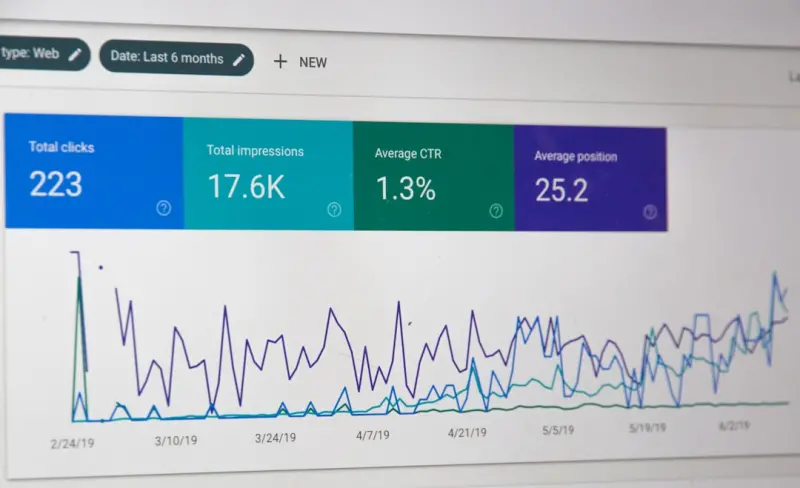
When Google reshapes the search landscape, the battlefield isn’t just the organic listing any more – it’s the whole canvas of the results page. Real estate on the SERP now stretches from the top‑of‑the‑page featured snippet to the bottom‑right “People also ask” carousel, and every pixel in between becomes a chance to plant your brand’s flag. In this era of fragmented attention, the old mantra of “rank #1 and you’ll get clicks” no longer holds water; you must earn visibility across multiple SERP widgets, each with its own set of rules and rewards. The savvy strategist knows that the sum of these micro‑placements can outweigh a single coveted position, turning the search engine into a multi‑dimensional showcase for expertise, trust, and relevance.
Featured Snippets: The Crown Jewel of Immediate Answers
Featured snippets are the search engine’s way of handing you the microphone before the user even clicks a link, and that early exposure can skyrocket brand authority. To claim this premium slot, you need to craft concise, well‑structured answers that directly address common queries, then wrap them in proper heading hierarchy and schema markup that signals intent to Google’s algorithms. Think of each snippet as a micro‑landing page: it must answer the question in 40–50 words, use bullet points or tables where appropriate, and embed relevant internal links that guide the user deeper into your site. When done right, the snippet not only drives traffic but also positions your site as the go‑to source for that particular piece of knowledge.
Knowledge Panels: Cementing Brand Legitimacy
Knowledge panels are the visual embodiment of a brand’s digital fingerprint, pulling data from a myriad of sources to create a compact, authoritative profile. Securing a spot in this space requires a concerted effort to curate your online presence: maintain a robust Wikipedia page, keep your Google Business Profile up to date, and ensure your entity is consistently referenced across reputable sites. The panel’s influence is profound; users often treat the information as gospel, reducing the need to click further. By aligning your content strategy with the panel’s data points – such as official name, logo, and key facts – you reinforce the narrative that search engines trust you enough to display your brand at the very top of the results.
People Also Ask: Harnessing the Question Engine
The “People also ask” (PAA) box is Google’s dynamic FAQ, surfacing follow‑up questions that users are eager to explore. Each question expands into a mini‑snippet, offering an immediate answer and a link back to the source. To dominate this feature, you must adopt a question‑first mindset: mine your analytics and competitor content for the exact phrasing users employ, then create dedicated, richly detailed pages that answer each query in a clear, step‑by‑step format. Use schema markup for FAQ and Q&A to make it easier for Google to surface your content. Over time, a well‑engineered PAA strategy can turn a single question into a cascade of traffic, as users click through multiple related queries, all anchored to your domain.
Visual SERP Elements: Images, Videos, and the New Click‑Magnet
Images and videos now occupy prime real estate on the SERP, often appearing above traditional text results, especially for “how‑to” and product‑related searches. Optimizing for these visual widgets means treating every asset as a SEO‑ready page: write descriptive, keyword‑rich alt text, include transcripts for videos, and embed structured data such as VideoObject or ImageObject. Moreover, leverage platforms like YouTube and Pinterest, whose domains enjoy strong authority, to host and embed media that can surface in Google’s carousel. When a user sees a compelling thumbnail or a clear diagram, the impulse to click your content spikes dramatically, turning visual assets into powerful traffic generators.
Local Packs: Owning the Neighborhood Search
Even if you’re not a brick‑and‑mortar business, the local pack can be a hidden goldmine for niche queries that carry a geographic slant. To appear in the three‑listing block, claim and verify your Google Business Profile, solicit authentic reviews, and embed LocalBusiness schema on relevant pages. Consistency is key: ensure your NAP (name, address, phone) information matches across all citations, from directories to social profiles. When you dominate the local pack, you capture the eyes of users who are ready to act, whether that means visiting a store, calling for a quote, or simply trusting your expertise because you appear “nearby.”
Structured Data: The Engine Behind SERP Dominance
Behind every SERP widget lies a foundation of structured data that tells Google exactly what your content represents. By implementing schema types such as Article, FAQPage, and HowTo, you give the crawler the roadmap it needs to surface your answers in the right format. For a deeper dive into how to align your markup with Google’s evolving signals, check out master Google’s evolving ranking signals. When your markup is clean and comprehensive, you not only improve your chances of appearing in rich results but also future‑proof your site against algorithmic shifts that increasingly favor semantic clarity.
Community‑First Link Building: Earning Authority the Right Way
Authority on the SERP isn’t just about technical tweaks; it’s also about the trust you earn from other sites and users. Building genuine relationships with industry peers, journalists, and influencers can lead to high‑quality backlinks that reinforce your credibility in the eyes of Google. A strategic approach to relationship‑driven outreach is outlined in building relationships that earn SERP authority. When reputable sites cite you as a source, Google interprets those signals as endorsements, boosting the likelihood that your content will be selected for premium SERP features.
Putting It All Together: A Checklist for Multi‑Widget SERP Mastery
To translate these insights into measurable results, start with a systematic audit: identify which SERP widgets already feature your brand, map gaps, and prioritize high‑impact opportunities like featured snippets and PAA. Next, align your content creation process with a question‑first framework, ensuring each piece is paired with the appropriate schema and visual assets. Finally, monitor performance through SERP‑specific metrics – impressions, click‑through rates, and position in each widget – and iterate based on data. By treating the SERP as a multi‑layered stage rather than a single slot, you turn every search interaction into a brand‑building moment, ultimately driving more qualified traffic and lasting authority.

Craig Brett is a freelancer with a passion for the outdoors. His love for nature inspires his work, bringing authentic and engaging perspectives to projects related to outdoor activities, adventure, and environmental topics.
Related Posts

Testing the SERPs: How to Run A/B Experiments That Actually Move the Needle
A practical guide to SERP A/B testing that walks you through setting up experiments, measuring impac... Read More

Unlocking the Power of Google Knowledge Panels for B2B SaaS Brands
A Knowledge Panel is more than a static info box; for B2B SaaS firms it’s a trust‑building, lead... Read More

The Evolution of Google SERPs: What You Need to Know
Google SERPs have undergone significant changes, impacting online visibility. Learn how to adapt you... Read More
Top Posts
How Hyperlocal Content Hubs Can Supercharge Your Local SEO
Learn to create community content hubs, leverage local events, and use micro‑influencers to boost your hyperlocal SEO, attract more customers, and dominate ne...Read More

The Future of Link Building: Navigating the Ever-Changing Landscape
The landscape of link building is constantly evolving. Learn how to adapt to emerging trends and best practices to ensure your link building efforts are effecti...Read More

How SaaS Companies Can Thrive Under Google’s Helpful Content Update
Google’s Helpful Content update rewards real value over keyword tricks. This guide shows SaaS marketers how to audit existing pages, embed genuine experience,...Read More

Micro‑Influencer Playbook: Turning Niche Audiences into Loyal Fans
Learn a step‑by‑step micro‑influencer strategy that turns passionate niche audiences into loyal customers, driving authentic engagement and sustainable gr...Read More
0 Comments
Post Comment
You will need to Login or Register to comment on this post!