
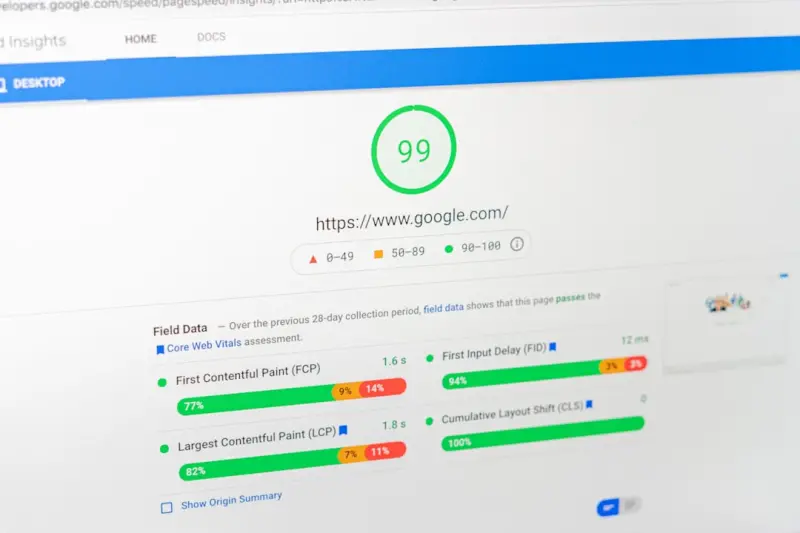
When I first stared at a Google results page, I was dazzled by the sheer amount of information packed into a single screen. Over the years, that awe turned into curiosity: what exactly is the user doing with those results? The answer isn’t just “clicking a link.” It’s a nuanced dance of skims, pauses, and even outright abandonment. In the SaaS world, where every click can translate to a trial sign‑up or a churned lead, understanding that dance—what I call SERP intent mapping—has become a competitive advantage.
Why SERP Intent Matters More Than Ever
Search engines have evolved from simple keyword matchers to intent engines. They now try to predict whether you’re looking for a quick answer, a deep dive, a comparison, or a purchase. For SaaS marketers, this shift means the old rule “rank for the right keyword” is no longer sufficient. We need to interpret the intent behind the query, see how users interact with the results, and then align our landing pages to meet those expectations at the exact moment the user is ready to engage.
Here’s the three‑stage framework I use:
- Signal Capture: Gather data on how users behave on the SERP (click‑through rates, dwell time, scroll depth, “People Also Ask” expansions, etc.).
- Intent Classification: Group those signals into intent buckets—informational, navigational, transactional, and comparative.
- Landing Page Alignment: Tailor your SaaS page to serve the dominant intent, using messaging, UI elements, and calls‑to‑action that feel like a natural continuation of the SERP experience.
Most SaaS teams focus on the third step—optimizing the landing page—but they often stumble at the first two. That’s where the real growth potential hides.
Collecting SERP Interaction Data Without Breaking the Bank
You might think you need a massive data science team to pull this off, but you can start small and scale. Below are the tools and tactics I rely on:
- Google Search Console (GSC) + Search Analytics: Export impressions, clicks, and average position for your target queries. Look for patterns where high impressions don’t translate into clicks—this is a red flag that the SERP snippet isn’t satisfying user intent.
- Heatmap Extensions: Services like Hotjar for SERPs (or bespoke scripts that capture mouse movement on the search results page) can reveal how far down users scroll before abandoning.
- Log File Analysis: Your web server logs capture every bot and human request. By filtering out known crawlers, you can see which queries actually land on your site and which bounce immediately.
- Third‑Party SERP APIs: Tools such as SerpApi or DataForSEO provide raw SERP JSON that includes rich snippet data, “People Also Ask” blocks, and even the presence of local packs.
Combine these data sources into a single dashboard (Google Data Studio works great) and you’ll start seeing a heatmap of intent across your keyword portfolio.
Classifying Intent: The Four Pillars
While Google’s own classification is opaque, a pragmatic approach is to map each query to one of four buckets:
- Informational: “What is churn rate?” – Users want to learn.
- Navigational: “HubSpot pricing page” – Users already know the brand.
- Transactional: “Buy project management SaaS free trial” – Users are ready to act.
- Comparative: “Best CRM vs. ERP for SMBs” – Users are weighing options.
When you overlay click‑through data on this taxonomy, you can answer questions like: Are users who search “SaaS onboarding best practices” dropping off because our snippet doesn’t promise a quick guide? Or Do comparative queries lead to higher bounce rates because we haven’t positioned ourselves as a side‑by‑side competitor?
Real‑World Example: Turning a High‑Impression, Low‑Click Query Into Conversions
At a previous SaaS venture, we noticed the query “how to reduce SaaS churn” had 15,000 monthly impressions but only a 2% CTR. Our existing meta description read:
Learn the fundamentals of churn reduction in SaaS. Download our free e‑book now.
That copy was too generic. By digging into the SERP heatmap, we discovered users were expanding the “People Also Ask” box to see quick bullet‑point answers. The intent was clearly informational with a bias toward actionable steps.
We rewrote the snippet to:
7 proven tactics to cut SaaS churn by up to 30% — see the checklist instantly.
We also added a FAQ schema that displayed a rich snippet with a concise list of those tactics. Within two weeks, CTR jumped to 7% and the landing page’s conversion rate increased by 15% because visitors found the exact checklist they expected.
Aligning Landing Pages with Detected Intent
Once you’ve classified intent, the next step is to match your page experience. Here’s a quick cheat sheet:
| Intent | Page Elements to Prioritize |
|---|---|
| Informational | Long‑form guides, downloadable PDFs, clear headings, and a “Read More” CTA. |
| Navigational | Prominent brand logo, breadcrumb navigation, and a quick link to the product dashboard. |
| Transactional | Visible pricing tables, free‑trial forms above the fold, trust badges, and a strong “Start Free Trial” button. |
| Comparative | Feature comparison tables, case studies, and a “Why Choose Us” section that directly addresses competitor pain points. |
Notice the subtle shift: it’s not about adding more content but about rearranging the existing elements to meet the user’s mental model at that exact moment.
Leveraging Structured Data to Amplify Intent Signals
Structured data is the SEO equivalent of speaking the search engine’s language fluently. While many teams stop at basic Article or Product markup, there are less‑explored types that can tip the SERP in your favor:
- FAQPage: Perfect for informational intent, it surfaces direct Q&A blocks.
- HowTo: Ideal for “step‑by‑step” queries, it can earn a rich “How‑to” carousel.
- CompareProducts: When you’re targeting comparative intent, this schema can trigger side‑by‑side comparison cards.
Implementing these types not only helps Google understand your content but also aligns the SERP snippet with the user’s intent, reducing the “gap” that often leads to zero‑click abandonment.
Measuring Success: Beyond Rankings
Traditional SEO metrics—rankings, organic traffic volume—are still important, but they don’t tell the whole story of intent alignment. Here are the KPI’s I track after an intent‑mapping overhaul:
- CTR by Intent Bucket: A rise in CTR for informational queries indicates better snippet relevance.
- Post‑Click Dwell Time: Longer dwell on an informational page suggests you met the user’s need.
- Micro‑Conversion Rate: For comparative queries, track clicks on “Download Comparison Sheet” or “See Pricing” as leading indicators.
- Reduced Bounce for High‑Impression Queries: A falling bounce rate signals that the landing page now satisfies the user’s intent.
These metrics give you a feedback loop: you see the SERP intent, adjust the snippet and page, then observe the impact. Iterate, and you’ll notice a steady lift in qualified leads without necessarily chasing higher rankings for every keyword.
Integrating Intent Mapping With Existing Growth Playbooks
Most SaaS growth teams already have a robust content calendar, a link‑building strategy, and a performance marketing funnel. SERP intent mapping can be woven into each of these pillars:
- Content Calendar: Use intent data to prioritize topics that have high impressions but low CTR—those are low‑effort wins.
- Link‑Building: When you secure a high‑authority backlink for a comparative query, ensure the landing page reflects that intent (e.g., add a feature matrix).
- Paid Search Synergy: Align your ad copy with the SERP snippet to create a seamless user journey from paid to organic results.
By treating intent as a shared language across all channels, you reduce friction and reinforce your brand’s relevance at every touchpoint.
Future‑Proofing: Preparing for AI‑Driven SERPs
Search is on the cusp of another transformation: AI‑generated answer panels and conversational search results. In that world, the SERP itself becomes a content platform, and the line between “snippet” and “full article” blurs. The best way to future‑proof your SaaS presence is to:
- Maintain a clean, semantically rich HTML structure so AI can extract and repurpose your content.
- Continuously update structured data, especially
FAQPageandHowTo, to give AI models a reliable knowledge base. - Invest in “answer‑first” content—clear, concise sections that can be lifted wholesale into AI answers without losing context.
In short, if you can teach a machine to understand your page’s intent, you’ll be the one supplying the answers it needs.
Putting It All Together: A 30‑Day Sprint Plan
Here’s a practical roadmap you can roll out with a small team:
- Day 1‑5: Export SERP data from GSC and a SERP API for your top 50 queries.
- Day 6‑10: Categorize each query into the four intent buckets.
- Day 11‑15: Identify high‑impression/low‑CTR pairs and audit their meta tags and schema.
- Day 16‑20: Rewrite snippets, add appropriate structured data, and push changes via CMS.
- Day 21‑25: Align landing pages: reorder sections, add micro‑conversion elements, and run A/B tests.
- Day 26‑30: Monitor KPI shifts (CTR, dwell time, bounce) and iterate based on the data.
Even if you only complete half of this sprint, you’ll likely see measurable improvements in qualified traffic.
Resources Worth a Second Look
If you’re hungry for more depth on related topics, I recommend revisiting a couple of my older pieces that complement intent mapping nicely. The insights on Predictive SEO give a great backdrop for anticipating shifts in SERP layouts, while the Zero‑Click Search article helps you think about how to capture value even when the user never clicks through.
In the end, SERP intent mapping is less about a one‑off optimization and more about adopting a mindset: search is a conversation, and we need to listen before we answer. When you treat the search results page as a data‑rich dialogue rather than a static gateway, you unlock a steady stream of qualified leads, lower acquisition costs, and a stronger brand presence in the ever‑crowded SaaS arena.

Tom Ferguson is a Canadian freelance writer with a passion for storytelling, current events, and thoughtful commentary. Drawing on years of writing experience, he shares engaging insights on a wide range of topics, bringing a uniquely Canadian perspective to his work.
Related Posts

The Shifting Landscape of Google SERPs: What You Need to Know
Google's SERPs are evolving rapidly, driven by voice search, AI, and machine learning. Stay competit... Read More

Mastering the 2024 SERPs: Miranda Murphy’s Insider Playbook
Miranda Murphy reveals how to conquer the 2024 SERPs with AI‑driven intent, zero‑click tactics, ... Read More

The Unseen War for SERP Real Estate in SaaS
The SERP is evolving beyond blue links into a complex arena of snippets, answer panels, and AI‑gen... Read More
Top Posts

Human‑Centric SEO: A Strategic Blueprint for Real Growth
A human‑centric SEO roadmap that blends intent‑first research, crawl‑budget optimization, and mobile mastery to transform visitors into brand advocates an...Read More
Unlocking the Hidden Power of Crawl Budget in Technical SEO
Learn why crawl budget matters, practical steps to optimize it, and how human‑first link building can amplify your technical SEO success....Read More

Structured Data: The Unsung Hero of Local SEO for SaaS Companies
Discover why JSON‑LD schema is the secret weapon for SaaS companies aiming to dominate local search, with actionable steps, automation tips, and real‑world ...Read More
AI‑Powered Content Clusters: A New SEO Playbook for SaaS Companies
This article explains how SaaS marketers can use AI‑generated topic clusters to organize product content, map it to the buyer’s journey, and create a knowle...Read More
0 Comments
Post Comment
You will need to Login or Register to comment on this post!