

Why Neighborhood Storytelling Is the Missing Piece in Your SaaS Local SEO Strategy
When I first moved from a bustling tech hub to a quieter suburb, I expected my SaaS business to lose the organic lift that big‑city buzz provides. Instead, I discovered a surprisingly potent engine: the stories that ripple through a neighborhood. These narratives—whether they’re about a local farmer’s market, a community art walk, or a neighborhood‑wide hackathon—create authentic signals that search engines love. In this post, I’ll walk you through how to harvest that hyperlocal storytelling, embed it into your SEO workflow, and watch your local rankings climb without the usual reliance on generic citation building.
Understanding Hyperlocal Narrative Signals
Search engines have become sophisticated at interpreting context. They don’t just look at a keyword on a page; they evaluate how that content fits into the surrounding digital ecosystem. When a piece of content references a local event, a venue, or a community figure, it sends a “hyperlocal relevance” signal. This is distinct from the traditional “city‑level” signals most SaaS marketers chase.
What makes these narrative signals powerful?
- Authenticity: Real‑world events and people generate natural, user‑generated mentions that are hard to fake.
- Engagement: Residents tend to share and comment on content that reflects their daily lives, increasing dwell time and social signals.
- Geographic Precision: Mentioning a specific park, library, or co‑working space tells search engines exactly where the relevance lies.
Mapping the Neighborhood Landscape
Before you can start weaving stories, you need a clear map of the community you serve. Here’s a quick audit you can run in under an hour:
- Identify Core Hubs: Look for schools, libraries, coffee shops, and co‑working spaces that attract your target audience.
- Track Recurring Events: Many neighborhoods host monthly meet‑ups—tech talks, charity runs, or art fairs. Subscribe to their calendars.
- Spot Influential Residents: These could be local entrepreneurs, teachers, or even a popular barista who runs an Instagram account.
- Document Physical Addresses: Compile a list of exact street addresses for each hub; you’ll need them for schema markup later.
Tools like Google Maps, local chamber of commerce sites, and community Facebook groups are invaluable for this reconnaissance.
Crafting Content That Resonates
Once you have a neighborhood map, it’s time to turn those data points into stories that align with your SaaS offering. Below are three content formats that have worked wonders for me:
1. Event‑Focused Guides
Suppose your SaaS helps remote teams collaborate. Write a guide titled “How to Run a Productive Hackathon at the Downtown Community Center.” Include logistics (room capacity, Wi‑Fi specs), a sample agenda, and a brief case study of a local startup that used your platform during the event. This kind of guide positions you as a resource while embedding location‑specific keywords.
2. Spotlight Interviews
Interview a local business owner who uses your software. The article could be “From the Corner Café to Cloud Collaboration: How Jane Doe Scaled Her Team with XYZ SaaS.” Not only does this provide authentic testimony, but it also naturally includes the café’s address and neighborhood name, strengthening local relevance.
3. Community‑Curated Lists
People love listicles. Create “Top 5 Quiet Co‑Working Spots in Riverside for Focused Coding Sessions.” Each entry can include a short paragraph about the space, a photo, and a note on why your SaaS integrates smoothly (e.g., easy screen sharing, secure file storage). Add a map embed for visual SEO juice.
Embedding Structured Data for Precise Targeting
While storytelling fuels engagement, schema markup tells search engines exactly where the content belongs. For each location‑centric page, add LocalBusiness or Place schema, along with geoCoordinates. Here’s a minimal example:
{
  "@context": "https://schema.org",
  "@type": "LocalBusiness",
  "name": "Riverside Community Center",
  "address": {
    "@type": "PostalAddress",
    "streetAddress": "123 River St",
    "addressLocality": "Riverside",
    "addressRegion": "CA",
    "postalCode": "90210",
    "addressCountry": "US"
  },
  "geo": {
    "@type": "GeoCoordinates",
    "latitude": "34.0195",
    "longitude": "-118.4912"
  },
  "url": "https://www.yoursaas.com/resources/hackathon-riverside"
}
When you pair this markup with genuinely useful content, Google’s local pack is far more likely to surface your page for queries like “hackathon venues in Riverside”.
Leveraging Local Partnerships Without the Traditional “Partnership” Angle
Most SaaS marketers chase backlinks from local chambers or sponsor events for a simple citation. That’s effective, but it’s also a path many have already trodden. Instead, think of co‑creation. Invite a local nonprofit to co‑author a whitepaper that solves a problem unique to the community (e.g., managing volunteers with your project‑management tool). Both parties promote the piece, and the resulting inbound traffic carries a hyperlocal context that search engines recognize.
For an example of how to blend partnership with SEO, see the insights in Turning Local Partnerships into SEO Powerhouses for SaaS. While that post covers the broader strategy, the co‑creation angle I’m describing adds a fresh, narrative‑first twist.
Optimizing Your Google Business Profile (GBP) for Multiple Micro‑Locations
Many SaaS firms think GBP is only for brick‑and‑mortar retailers. That’s a misconception. If your product serves distinct market segments—say, education institutions versus health‑care providers—you can set up separate GBP entries for each niche hub you serve.
Steps to maximize each profile:
- Distinct Naming: Use a consistent naming pattern that includes the niche, e.g., “XYZ SaaS – Education Hub – Boston”.
- Localized Descriptions: Mention city‑specific pain points and how your solution addresses them.
- Geo‑Targeted Photos: Upload images from local events or screenshots of the platform with local branding.
- Collect Hyperlocal Reviews: Encourage attendees of your community workshops to leave a review that references the event location.
Amplifying Content Through Neighborhood Influencers
Influencer marketing isn’t just for lifestyle brands. Identify micro‑influencers—people with 1k‑5k followers—who are active in local tech meet‑ups, maker spaces, or even neighborhood Instagram pages. Offer them early access to a new feature in exchange for a short demo video shot at a local venue. When they post, they’ll tag the location, creating a fresh, location‑rich backlink profile.
This approach differs from the broader “employee advocacy” tactic covered in How Employee Advocacy Can Supercharge Your SaaS Brand on Social Media. Here, the focus is on external community figures rather than internal staff, adding another layer of authenticity.
Measuring the Impact of Hyperlocal Storytelling
Traditional SEO metrics—organic traffic and keyword rankings—still matter, but you’ll want to layer on a few locality‑specific KPIs:
- Local Pack Impressions: Track how often your pages appear in the “3‑pack” for city‑level queries.
- Click‑Through Rate (CTR) from Event Queries: Queries like “hackathon venues near me” or “best co‑working space in Riverside”.
- Engagement Time from Local Pages: Longer dwell times indicate that the community finds the content valuable.
- Review Volume with Location Mentions: Reviews that reference the specific venue or event amplify local relevance.
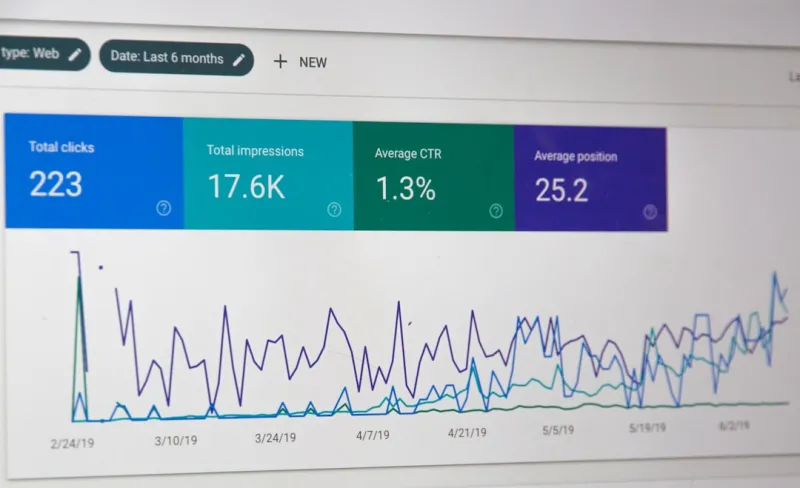
Google Search Console’s “Performance” report allows you to filter by query + location, giving you a clear view of how each story contributes to your visibility.
Scaling the Narrative Approach Across Multiple Cities
If your SaaS operates nationally, you can replicate this framework with a “template‑first” mindset:
- Create a Master Guide: Draft a generic “How to Host a Community Event Using XYZ SaaS”.
- Localize the Variables: Swap out venue names, addresses, and local statistics for each target city.
- Automate Schema Generation: Use a spreadsheet to feed address data into a JSON‑LD generator, then embed the markup.
- Deploy via a CMS: Publish each city‑specific page as a separate URL (e.g., /resources/hackathon-san-francisco).
While the core story remains consistent, the localized elements ensure each page signals relevance to its specific market. This method also sidesteps duplicate content penalties because the localized data points are unique.
Common Pitfalls and How to Avoid Them
Pitfall 1: Over‑Optimization with Exact Match Keywords
It’s tempting to cram “SaaS + Riverside + hackathon” into every paragraph. Instead, keep the language natural. Search algorithms reward readability and user intent.
Pitfall 2: Ignoring Mobile Users
Local searches are heavily mobile. Ensure that event pages load quickly, use legible fonts, and have tappable buttons for directions.
Pitfall 3: Forgetting to Update Content
Neighborhood dynamics change—new coffee shops open, old ones close. Schedule quarterly reviews of your location pages to keep them current.
Putting It All Together: A 12‑Week Action Plan
Here’s a concise roadmap you can follow:
| Week | Focus |
|---|---|
| 1‑2 | Neighborhood audit: map hubs, events, influencers. |
| 3‑4 | Content creation: 2 event guides, 2 spotlight interviews, 1 listicle. |
| 5 | Schema implementation on each new page. |
| 6‑7 | Launch co‑creation pieces with local nonprofits. |
| 8 | Set up and optimize Google Business Profiles for each micro‑location. |
| 9‑10 | Outreach to micro‑influencers for content amplification. |
| 11 | Analyze local pack impressions and adjust on‑page copy. |
| 12 | Document learnings and create a repeatable template for the next region. |
Stick to this plan, and you’ll see measurable lifts in local visibility, lead quality, and brand affinity—all while staying true to the community you serve.
Final Thoughts
Local SEO doesn’t have to be a game of citation hunting and generic blog posts. By weaving the fabric of neighborhood narratives into your content, you give search engines a richer, more trustworthy picture of where your SaaS truly belongs. It’s a strategy that respects the community, builds genuine relationships, and, most importantly, drives qualified traffic to your product. Give it a try—listen to the stories around you, and let them guide your next SEO win.

Lifan Chen is a freelancer based in Toronto specializing in marketing. With expertise in crafting effective marketing strategies and campaigns, Lifan helps businesses grow their brand presence and reach target audiences. As a Toronto-based freelancer, Lifan combines local market insights with creative marketing skills to deliver tailored solutions for clients.
Related Posts

Why Local Reviews Are the Hidden Engine Driving SaaS Growth
Local reviews are an untapped growth lever for SaaS companies. Learn how to claim listings, collect ... Read More
How Hyperlocal Content Hubs Can Supercharge Your Local SEO
Learn to create community content hubs, leverage local events, and use micro‑influencers to boost ... Read More
Local SEO in 2026: Authentic Strategies to Dominate Your Neighborhood
A fresh look at local SEO in 2026, combining AI tools, genuine community ties, and technical excelle... Read More
Top Posts
Personalized Link Building: Turning Data Into High‑Authority Backlinks for SaaS
Discover a data‑centric approach to link building that replaces generic outreach with personalized, metric‑backed pitches, delivering higher response rates ...Read More

The Intersection of Social Media and SEO: A Winning Strategy
Social media and SEO are closely linked. A well-crafted social media strategy can improve your website's search engine rankings and drive more traffic to your w...Read More
Human‑Centric Social Strategy: From Conversation to Conversion
Learn how to shift from broadcasting to listening, align social dialogue with revenue, and use mobile‑first tactics to turn authentic conversations into lasti...Read More
2026 SERP Trends: What Marketers Must Know
A deep dive into 2026's evolving SERP features—AI snippets, visual and local search—plus actionable tactics to stay ahead in the multi‑layered search worl...Read More
0 Comments
Post Comment
You will need to Login or Register to comment on this post!