
Why Local Partnerships Matter More Than Ever for SaaS SEO
When most SaaS marketers think “local SEO,” the first images that pop up are Google Business Profiles, citations, and a handful of neighborhood reviews. While those tactics are still essential, the real growth engine is often hidden in the relationships you nurture right outside your office door. Partnerships with local businesses, community groups, and even city‑level events can create a network of relevance signals that search engines love and, more importantly, that funnel highly qualified prospects straight to your product.
The Hidden SEO Benefits of Community Collaboration
Google’s algorithms are increasingly focused on contextual relevance. A SaaS solution that’s mentioned alongside a reputable local chamber of commerce, a regional nonprofit, or a well‑known university department gains an implicit endorsement that goes far beyond a single 5‑star review. These endorsements manifest as:
- Earned backlinks from trusted local domains – often higher authority than generic industry sites.
- Co‑branded content that attracts localized search queries – think “project management software for Chicago nonprofits.”
- Increased brand mentions across local news outlets and blogs, which boost your SERP personalization signals.
Mapping the Local Partnership Landscape
Before you start reaching out, it helps to visualize the ecosystem of potential partners. Here’s a quick framework to identify the sweet spots:
- Industry Adjacent Organizations – Companies that serve the same target market but aren’t direct competitors (e.g., a CRM that integrates with your SaaS).
- Community Hubs – Local coworking spaces, startup accelerators, and business incubators that host regular events.
- Educational Institutions – Universities and trade schools that offer courses related to your niche.
- Non‑profits & Advocacy Groups – Organizations whose missions align with the problem your SaaS solves.
- Event Organizers – Meetups, conferences, and hackathons that draw your ideal buyer personas.
Step‑by‑Step Playbook to Turn Partnerships Into SEO Gold
1. Conduct a Local Partner Audit
Start with a simple spreadsheet. List every local entity you already have a relationship with, then score them on two axes: relevance (how closely they align with your SaaS) and authority (domain strength, local reputation). Prioritize the top 5–10 prospects that score highest on both.
2. Craft a Mutual Value Proposition
Successful partnerships are built on reciprocity. Ask yourself:
- What problem can I solve for them?
- What exclusive content or tool can I provide that they can’t get elsewhere?
- How will the collaboration elevate their brand as well as mine?
When the value exchange is crystal clear, you’ll find decision‑makers more eager to co‑create.
3. Co‑Create Hyper‑Local Content Assets
Think beyond guest blog posts. Some high‑impact formats include:
- Joint case studies that showcase how a local nonprofit used your platform to achieve measurable results.
- Co‑hosted webinars marketed through both email lists, each featuring a local angle (“Managing Volunteer Schedules with SaaS in Austin”).
- Interactive maps or toolkits that solve a local problem – for instance, a “City‑wide Event Planning Dashboard” built on your SaaS API.
These assets naturally attract interactive content signals that search engines reward with richer snippets and higher click‑through rates.
4. Leverage Local PR and Earned Media
When you launch a partnership, pitch the story to local newsrooms, industry newsletters, and community blogs. Emphasize the local impact—a new tool that helps small businesses streamline operations or a scholarship program that empowers local talent.
Each mention yields a contextual backlink and adds to the “local relevance” cluster around your brand, reinforcing your authority for geographically‑targeted queries.
5. Optimize Your On‑Page Assets for Hyper‑Local Keywords
Take the newly created content and embed location‑specific phrases naturally:
- “SaaS solution for Portland marketing agencies”
- “Best project management tool for Seattle nonprofits”
- “How Boston startups can scale with cloud‑based software”
Pair these keywords with structured data (e.g., LocalBusiness schema) to give Google a clear signal about the geographic relevance of each page.
6. Track Impact With a Local SEO Dashboard
Metrics matter. Set up a simple dashboard that monitors:
- Organic traffic growth for location‑specific landing pages.
- Number of local backlinks acquired each month.
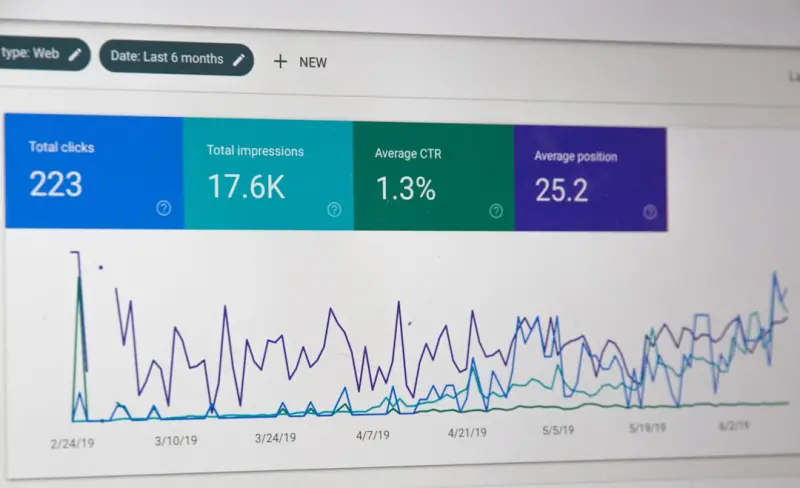
- Impressions and clicks in Google Search Console for geo‑targeted queries.
- Referral traffic from partner sites and event registrations.
When you see spikes, you’ll know which partnership tactics are delivering the biggest SEO lift.
Case Study: How a Mid‑Size SaaS Turned a Local Chamber Partnership into a 40% Traffic Surge
Background: A SaaS company that provides workflow automation for small businesses was struggling to rank for “automation software in Denver.” Their Google Business Profile had a handful of reviews, but organic traffic remained flat.
Action: They partnered with the Denver Chamber of Commerce to host a quarterly “Digital Efficiency” workshop. The chamber promoted the event to its 5,000+ members, and the SaaS team co‑produced a post‑event guide titled “Automation Playbook for Denver Small Businesses.” They also secured a backlink from the chamber’s website and a local news article covering the workshop.
Result: Within three months, the guide ranked on the first page for “automation software Denver” and “workflow tools for Denver businesses.” Organic sessions from Denver grew by 42%, and the company saw a 28% increase in qualified leads from that region.
This example illustrates the power of aligning your SEO strategy with tangible community involvement. It’s not just about ticking SEO boxes; it’s about becoming a recognized local resource.
Integrating Partner‑Generated Content With Existing SEO Strategies
Partner assets should never sit in a silo. Here’s how to weave them into your broader SEO fabric:
- Link reclamation: Use the link reclamation process to find any unlinked mentions of your partnership and turn them into backlinks.
- Content syndication: Republish co‑authored articles on your blog, then cross‑post a summary on LinkedIn and Medium, always linking back to the original local source.
- Internal linking: Create a “Local Resources” hub page that curates all partnership content, reinforcing topical authority for each city you target.
- Schema enrichment: Tag each hub page with
PlaceandOrganizationschema to signal to Google the geographic focus.
Common Pitfalls and How to Avoid Them
Even the best intentions can backfire if you overlook these mistakes:
- Over‑optimizing anchor text – Use natural language; avoid exact‑match “SaaS software Denver” anchors in every partner link.
- Neglecting the partner’s audience – Content should speak to their community’s pain points, not just your sales funnel.
- One‑off collaborations – Aim for long‑term relationships that generate recurring SEO value.
- Ignoring mobile users – Local searches are mobile‑first; ensure all partner landing pages load quickly and are mobile‑friendly.
Future‑Proofing Your Local SEO With Partnerships
Search engines are moving toward a more holistic view of relevance that includes real‑world signals. As voice assistants become the go‑to tool for “near me” queries, they’ll increasingly pull data from trusted local sources—exactly the kind of relationships you’re cultivating.
By embedding your SaaS into the local ecosystem, you’re not just earning backlinks; you’re becoming part of the digital representation of a community’s business landscape. That status translates into higher rankings, more inbound leads, and a brand that locals trust.
Takeaway Checklist
- Identify high‑authority local partners aligned with your target audience.
- Develop a clear, mutual value proposition before outreach.
- Co‑create hyper‑local content that solves a specific community problem.
- Secure earned media and local backlinks from partnership announcements.
- Optimize on‑page assets with location‑specific keywords and schema.
- Monitor performance with a dedicated local SEO dashboard.
- Iterate based on data—double down on partnerships that drive traffic and leads.
Local SEO isn’t a static checklist; it’s a dynamic, relationship‑driven strategy that can turn a modest SaaS brand into a neighborhood authority. Start building those partnerships today, and watch your organic presence expand—one local connection at a time.

When it comes to the world of blogging and writing, Rose DesRochers is a name that stands out. Her passion for creating quality content and connecting with her audience has made her a trusted voice in the industry. Aside from her skills as a writer and blogger, Rose is also known for her compassionate nature.
Related Posts

Empathy‑Powered Local SEO: Winning Your Neighborhood Market
Learn how a human‑centric, empathy‑driven approach to local SEO transforms community searches in... Read More

Geo‑Targeted Landing Pages: Turning Regional Search into SaaS Revenue
Discover a step‑by‑step blueprint for building region‑specific landing pages, leveraging local... Read More

Turning Your Neighborhood Into an SEO Powerhouse
Learn how to turn local partnerships, user‑generated visuals, and micro‑reviews into a neighborh... Read More
Top Posts

Mobile SEO: Why Human‑Centric Strategies Are the Game‑Changer
Mobile SEO is evolving beyond speed and keywords; learn why authentic, human‑centric tactics now drive higher rankings, deeper engagement, and lasting trust....Read More

Cross‑Channel SEO: Uniting Paid, Social, and Organic for Maximum Impact
Learn why integrating paid ads, social signals, and organic content is the next frontier in SEO, and get actionable steps to unify data, content, and technical ...Read More

Beyond Keywords: Harnessing Google’s AI Search Signals for SaaS Growth
Discover a fresh SEO playbook that moves beyond keywords, using Google’s AI models, semantic clusters, passage indexing, and structured data to boost SaaS vis...Read More

Transforming Your Online Store into a Customer Experience Engine
Learn how to turn your eCommerce shop into a personalized experience hub with AI recommendations, dynamic content, and community‑driven loyalty—boosting eng...Read More
0 Comments
Post Comment
You will need to Login or Register to comment on this post!