

Understanding Hyperlocal Search Intent
Walking the sidewalks of my hometown, I quickly learned that the people searching for a nearby coffee shop, a trusted plumber, or a weekend farmers market aren’t just typing generic phrases—they’re looking for the exact experience that lives just around the corner, and Google rewards that specificity with prime real‑estate on the SERP; this means that a hyperlocal approach must go beyond city‑wide optimization and dive into the micro‑neighborhoods, street blocks, and even the local landmarks that shape daily decisions. By mapping out the unique vocabulary residents use—like “best bagel near 5th Ave” or “late‑night dog walker in Oakwood”—you can craft content that mirrors the conversational tone of your audience, which not only boosts relevance but also signals to Google that your business is the go‑to resource for that exact slice of geography. The real magic happens when you combine this insight with a fully optimized Google Business Profile, ensuring that NAP consistency, photo updates, and Q&A sections are all reflecting the same hyper‑focused language that your neighbors are already using in their searches.
Building Community Content Hubs
One of the most effective ways to dominate hyperlocal rankings is to create a community content hub that acts as the digital town square, aggregating everything a resident might need—from event calendars and school district reports to spot‑on reviews of local eateries and step‑by‑step guides for navigating municipal services; this hub becomes a magnet for both users and search engines because it offers depth, freshness, and a clear signal that you understand the neighborhood’s heartbeat. To construct such a hub, start by auditing the most common queries in your service area using tools like Google Trends and Answer the Public, then organize the findings into thematic clusters that each deserve a dedicated landing page, ensuring internal linking weaves a logical path for both crawlers and visitors; for example, a “Weekend Activities in Riverside” page can link to subpages about “Family‑Friendly Hikes,” “Live Music at the Plaza,” and “Pop‑Up Farmers Markets,” each enriched with unique, locally sourced images and testimonials. For further inspiration on structuring these clusters, see our guide on semantic clusters that turns your site into an authority network without overwhelming the reader.
Activating Real‑World Events for Rankings
While digital content fuels the algorithm, nothing beats the authenticity of real‑world events to amplify local SEO signals, especially when you can turn a community fundraiser, a neighborhood clean‑up, or a seasonal street fair into a multi‑channel promotion that drives foot traffic, earns natural backlinks, and generates buzz on social platforms; by publishing pre‑event blog posts, live‑streaming the activity, and post‑event recaps that highlight local participants, you create a cascade of fresh, geo‑tagged content that search engines love and that community members are eager to share. The key is to embed schema markup for events, include precise location data, and encourage attendees to leave reviews on your Google Business Profile, which not only enriches your online reputation but also sends a strong trust signal to Google that your business is actively engaged in the locality. If you’re looking for a proven method to turn these interactions into high‑quality links, explore our case study on human‑centric link building, where relationship‑first outreach turned community partnerships into authoritative backlinks that propelled rankings.
Leveraging Local Influencers and Micro‑Creators
In the era of micro‑influencers, collaborating with neighborhood personalities—like the beloved high‑school coach, the popular yoga instructor, or the food blogger who knows every hidden taco truck—offers a dual advantage: their genuine endorsement resonates with locals, and the resulting mentions and social signals feed directly into Google’s local ranking algorithm, which increasingly values real‑world credibility over generic brand awareness; start by identifying individuals who have a strong, engaged following within a 5‑mile radius, then propose mutually beneficial content swaps such as guest blog posts, co‑hosted webinars, or exclusive discount codes that naturally generate backlinks and social mentions. When these influencers share their experiences on platforms like Instagram Stories or TikTok, be sure to embed location stickers and relevant hashtags, and then embed those posts on your site’s community hub to create a rich, multimedia experience that both users and crawlers can appreciate.
Optimizing for Voice Search in the Neighborhood
As more residents rely on voice assistants to find “the closest pet groomer” or “a 24‑hour pharmacy near me,” optimizing for conversational, question‑based queries becomes essential for hyperlocal visibility; this means incorporating natural language phrases into your FAQ sections, using schema markup for “Ask‑the‑User” intents, and ensuring that your Google Business Profile answers common voice‑search questions with concise, accurate information that can be read aloud by devices. Additionally, consider creating short, audio‑friendly blog posts that address specific local pain points—like “How to file a noise complaint in downtown” or “Where to find wheelchair‑accessible parking on Main Street”—and embed these as podcasts or audio snippets, which not only diversifies your content but also signals to search engines that you’re catering to the evolving ways people discover local services.
Geo‑Targeted Landing Pages for Service Zones
Instead of a single, generic service page, develop a series of geo‑targeted landing pages that speak directly to the distinct neighborhoods you serve, each optimized with unique title tags, meta descriptions, and localized content that references nearby landmarks, schools, and transit routes; this granular approach helps Google understand the specific relevance of each page to a given searcher’s location, dramatically improving click‑through rates and reducing bounce rates as visitors find exactly what they need without sifting through irrelevant information. When crafting these pages, embed a custom map with pins for your business locations, include testimonials from residents of that exact area, and weave in local statistics—such as “95% of Oakwood families choose our plumbing services”—to build trust and authority. Remember to keep the internal linking structure clean, pointing back to your main community hub so that authority flows throughout the site.
Encouraging User‑Generated Content and Reviews
One of the most potent signals for local SEO is authentic, recent user‑generated content, especially reviews that mention specific services, staff names, and local landmarks; to harness this, actively solicit feedback after each transaction through personalized email follow‑ups that ask customers to share their experience on Google, Yelp, or even on your own site’s testimonial carousel, and reward participation with small incentives like a discount on the next purchase. Moreover, showcase this content prominently on your community hub, grouping reviews by neighborhood or service type, which not only provides fresh, keyword‑rich text for crawlers but also creates social proof that resonates with prospective customers scanning the page for reassurance. Over time, a robust collection of localized reviews can lift your business into the coveted Google Local Pack, driving a steady stream of foot traffic and online inquiries.
Measuring Hyperlocal Impact with Granular Analytics
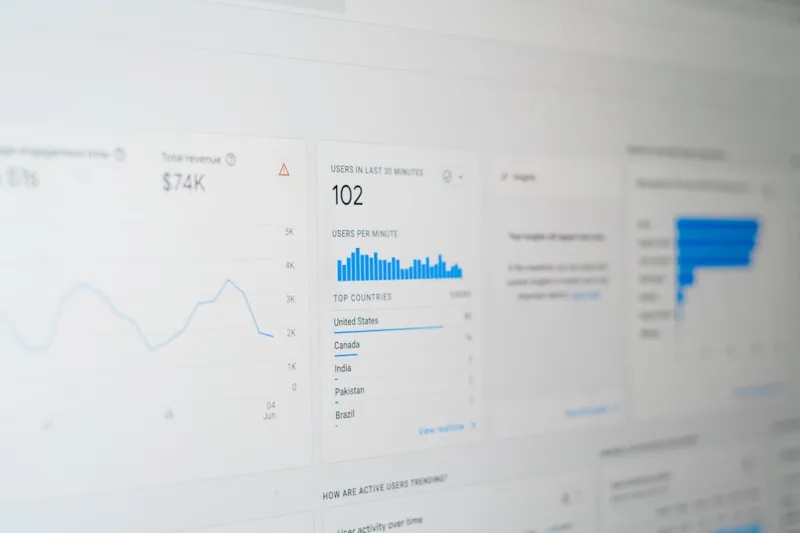
To truly understand the ROI of your hyperlocal strategy, you need to move beyond generic traffic reports and adopt granular analytics that track visits, conversions, and keyword rankings at the ZIP‑code or even street‑level granularity, using tools like Google Search Console’s performance report filtered by location and integrating Google Analytics’ “Geo” segment to see which neighborhoods are driving the most engagement; this data will reveal patterns—such as a surge in “late‑night pizza delivery” searches in the Riverbend area after a local festival—that you can leverage to fine‑tune your content calendar and ad spend. Set up custom dashboards that combine organic rankings, click‑through rates, and conversion metrics for each micro‑region, and schedule monthly reviews to adjust your content hub, landing pages, and outreach efforts accordingly. By continuously measuring and iterating, you ensure that every ounce of effort translates into measurable visibility and revenue growth, keeping your business at the forefront of the local digital landscape.

Tammy French is a Montessori Teaching Assistant and freelance writer passionate about education, creativity, and inspiring lifelong learning through engaging content.
Related Posts

Beyond Listings: How Community Storytelling Supercharges Local SEO
Local SEO is no longer just about citations; it’s about telling authentic community stories that r... Read More
How Authentic Local SEO Beats Algorithms and Drives Community Trust
Learn how authentic, community‑centric strategies can transform your local SEO, turning search vis... Read More

Local SEO for SaaS: Automate Citations, Build Partnerships, Scale Revenue
Discover a tech‑first local SEO strategy for SaaS—automated citation pipelines, community partne... Read More
Top Posts

Live Stream Commerce: How Brands Can Turn Real‑Time Video into a Sales Engine
Live‑stream commerce blends entertainment and instant purchasing, giving brands a powerful new channel. Learn the strategy, tools, and storytelling tricks to ...Read More

Riding the 2024 Social Strategy Wave: Brandy Miller’s Insider Playbook
Brandy Miller reveals the hottest social strategy trends for 2024, from algorithm hacks to community‑first tactics that drive real growth....Read More

International SEO Playbook for SaaS Companies: Grow Beyond Borders
Discover a step‑by‑step international SEO strategy for SaaS firms, covering market research, technical setup, content localization, link building, and measu...Read More

Privacy‑First Personalization: Thriving in a Cookieless Digital Landscape
Explore a step‑by‑step framework for building privacy‑first personalization, from consent capture to AI‑driven activation, and discover how ethical data...Read More
0 Comments
Post Comment
You will need to Login or Register to comment on this post!