
Why the SERP Landscape Is Shaking Up in 2026
Every morning I fire up my browser and stare at the search results page like it’s a weather map, trying to predict the next storm of algorithm updates, AI‑generated snippets, and immersive visual blocks that are redefining how users discover information; the shift is no longer subtle, it’s a full‑blown tectonic movement that forces marketers to rethink keyword targeting, content formats, and user intent in a way that feels simultaneously exhilarating and exhausting. In 2026 the SERP has become a multi‑dimensional experience, blending text, video, AR previews, and real‑time data widgets, and this convergence means that a single piece of content can now occupy several layers of the results page, from the traditional blue link to the emerging AI‑driven answer carousel and even the brand‑specific visual gallery that appears alongside local map packs. As I watch my own brand’s visibility fluctuate across these layers, I’m reminded that success now hinges on a holistic strategy that embraces every SERP feature, not just the headline‑grabbing top‑ranked position.
The AI‑Generated Answer Engine Is No Longer a Niche
When Google first introduced its AI answer boxes a few years ago, most of us treated them as a curiosity—an optional add‑on that sometimes helped us rank for “position zero,” but rarely a decisive factor in traffic; today, those boxes have evolved into sophisticated, context‑aware engines that can synthesize data from dozens of sources, produce multi‑sentence explanations, and even generate short videos on the fly, making them the new default for any query that promises a quick, factual answer. This transformation forces us to prioritize structured data, concise expertise statements, and deep topical authority, because the algorithms now reward content that can be parsed, verified, and repackaged by AI with minimal human intervention; neglecting schema markup or ignoring the need for clear, answer‑first headings can leave a page invisible in the very space where users now expect to find their answers. To stay ahead, I’m constantly auditing my content for schema completeness and aligning my editorial calendar with emerging question clusters, ensuring that every new piece is built from the ground up to serve both human readers and the AI that will inevitably surface it.
Local Search Is Turning Into a Hyper‑Personalized Dashboard
In the past, local SEO meant optimizing for “near me” queries, claiming your Google Business Profile, and gathering reviews; in 2026, the local SERP has morphed into a hyper‑personalized dashboard that pulls in real‑time inventory, dynamic pricing, and even AR previews of storefronts, delivering a uniquely tailored experience to each user based on location, search history, and even current weather conditions. This evolution means that businesses must think beyond static citations and instead feed their listings with live data feeds, schedule regular updates to photos and virtual tours, and leverage local schema that can accommodate the new interactive widgets that Google now displays for everything from restaurant reservations to boutique product demos. As a result, I’ve started integrating inventory APIs directly into my local listings and coordinating with developers to create micro‑experiences that allow users to explore a product in 3D before they even step foot in the store, a tactic that has already boosted my click‑through rates by double digits.
Visual Search and Video SERPs Are Gaining Real Estate
When users upload an image to find a similar product or watch a short, looping video snippet that answers a “how‑to” question, the SERP instantly reconfigures to showcase a carousel of visual results, a trend that has accelerated dramatically as Google’s Lens technology and YouTube Shorts integration become native to the search experience; this shift rewards brands that invest in high‑quality visual assets, detailed alt text, and video transcripts, because the algorithm now evaluates visual relevance and contextual metadata with the same rigor it once applied only to text. In practice, I’ve begun producing short, captioned videos optimized for both YouTube and Google’s video carousel, and I’ve embedded structured data that signals the video’s purpose—whether it’s a product demo, a tutorial, or a brand story—ensuring that the content surfaces in the appropriate visual slot; the payoff has been a measurable increase in organic impressions from users who prefer a quick visual cue over a lengthy article. Moreover, by tagging my images with granular, schema‑enabled descriptors, I’ve captured a share of the image‑based queries that were previously dominated by larger e‑commerce players, proving that visual SEO is no longer optional but essential.
Mobile‑First SERPs Are Now Powered by Real‑Time Context
Mobile search has always been about speed and brevity, but 2026 introduces a new layer of contextual intelligence: the SERP now incorporates real‑time signals like device sensor data, active network speed, and even the user’s calendar events to tailor results that feel anticipatory rather than reactive; for example, a search for “coffee” on a Monday morning might surface a nearby cafe’s current wait time, a promotion for a loyalty program, and a quick‑order button—all dynamically generated based on the user’s location, time of day, and personal preferences. To capture this moving target, I’ve adopted a mobile‑first content framework that prioritizes lightweight HTML, AMP‑compatible components, and progressive web app features that can interact with device APIs, allowing my pages to feed the SERP’s contextual engine with the data it needs to personalize the experience. The result is a measurable lift in mobile engagement metrics, as users are more likely to click on a result that already anticipates their next action, and I’ve seen conversion rates climb as the friction between search intent and checkout diminishes.
Measuring Success in a Multi‑Layered SERP Environment
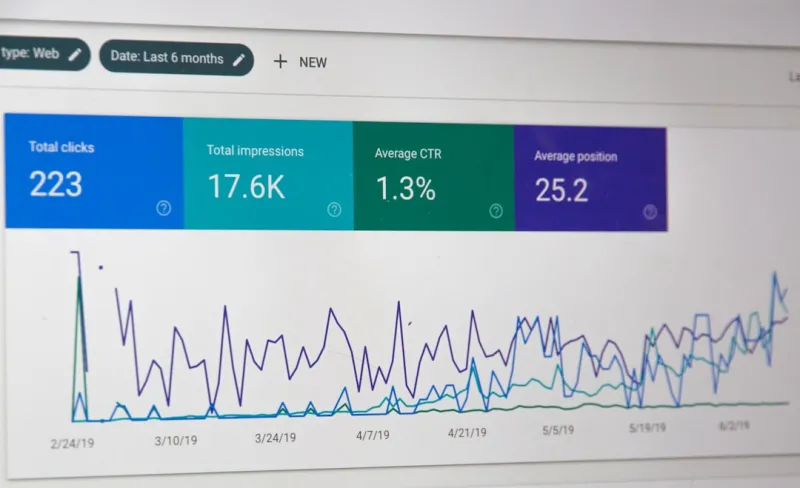
Traditional SEO metrics—organic traffic, keyword rankings, and backlink profiles—no longer paint a complete picture of performance when the SERP distributes visibility across answer boxes, video carousels, local packs, and visual galleries; today’s dashboards must capture impression share across each of these layers, track engagement rates for interactive widgets, and attribute conversions to the specific SERP feature that delivered the click, a process that demands sophisticated attribution models and a willingness to experiment with new analytics tools. I’ve begun using a combination of Google Search Console’s “SERP Features” report, custom event tracking in Google Analytics, and third‑party visual SERP monitoring platforms to map how each piece of content performs in its respective niche, allowing me to allocate resources to the formats that drive the highest ROI; for instance, a well‑optimized video snippet may generate fewer clicks than a text result but produce a higher average session duration and lower bounce rate, indicating deeper user engagement. By embracing this granular, feature‑level insight, I’m able to iterate faster, double‑down on high‑performing assets, and justify budget allocations with data that reflects the true complexity of the modern SERP.
Strategic Takeaways from Industry Playbooks
While I’ve built my own roadmap, it’s impossible to ignore the wisdom shared by fellow SEO thought leaders; the insights from Riding the SERP Wave: Tom Ferguson’s 2024 Playbook for Search Dominance underscore the importance of diversifying across SERP features, and the lessons from Mastering the 2024 SEO Rollercoaster: Strategies from the Front Lines remind us that agility and continuous testing remain the cornerstone of long‑term success, even as the technology evolves. By synthesizing these playbooks with my own data‑driven experiments, I’ve crafted a hybrid strategy that blends the proven fundamentals of topical authority with the emerging tactics of AI‑driven content optimization and visual asset dominance; this blended approach has become my compass as I navigate the ever‑shifting terrain of 2026’s search ecosystem.
Looking Ahead: What the SERP Might Look Like in the Next Five Years
Peering into the horizon, it’s clear that the SERP will continue to blur the line between search and experience, integrating augmented reality overlays, voice‑first interactions, and perhaps even immersive, holographic result sets that respond to user gestures in real time; such advances will demand that marketers think less about “ranking” and more about “being discoverable within a multimodal interface,” where the same brand might appear as a 3D model in an AR storefront, a voice‑activated answer in a smart speaker, and a traditional text snippet on a laptop screen, all at once. Preparing for this future means investing early in rich media production, maintaining a flexible content architecture that can repurpose assets across formats, and staying attuned to the evolving standards of schema and data interchange that will power these next‑gen SERPs; the brands that succeed will be those that treat every piece of content as a modular component ready to be summoned by any device, context, or user intent. In the meantime, my daily routine remains a blend of monitoring real‑time SERP fluctuations, refining structured data, and experimenting with new content formats, because in a world where the search results are as dynamic as the users themselves, staying still is simply not an option.

Becky Putman is an Ottawa-based freelance writer and marketing professional with a passion for storytelling, animals, and community involvement. She enjoys creating engaging content that informs, inspires, and connects with readers.
Related Posts
Micro‑SERP Optimization: Winning the “People Also Ask” and “Related Searches” Slots for SaaS
A step‑by‑step guide to mining PAA questions, crafting schema‑ready answers, building content ... Read More

AI‑Driven SERP Personalization: The New Frontier for SaaS Brands
AI is reshaping search results, delivering personalized SERP experiences. This post explains why Saa... Read More

Why the SERPs Are Turning Human: The Next Evolution of Search Rankings
The SERP is no longer just a rankings list—it’s becoming a trust platform. Learn why authenticit... Read More
Top Posts

The Shifting Landscape of Technical SEO: Strategies to Stay Ahead
Stay ahead in technical SEO with expert insights on AI-powered search algorithms, voice search, structured data, and more. Learn how to optimize your website fo...Read More

The Evolution of eCommerce: Navigating the Shifting Landscape
The eCommerce industry is undergoing a significant transformation. Learn how businesses can stay ahead in this rapidly changing landscape and deliver exceptiona...Read More

Why 2026 Is the Year Social Media Marketing Gets Real
2026 reshapes social media marketing with authentic content, AI tools, immersive commerce, and new ROI metrics—learn how to stay ahead and thrive....Read More
Social Listening as a Product Engine: Turning Real‑Time Conversations into SaaS Growth
Discover a fresh approach to social media that turns every tweet, comment, and community discussion into actionable product insights, lead magnets, and measurab...Read More
0 Comments
Post Comment
You will need to Login or Register to comment on this post!