
Local SEO in 2026 feels like the crossroads of hyper‑personalization and algorithmic intelligence, where every neighborhood coffee shop, boutique, and service‑provider can claim a digital front‑door that actually opens for the right passerby. I’ve watched search engines evolve from bland, keyword‑driven match‑makers into nuanced, intent‑sensing engines that reward authenticity the way a friendly barista rewards a regular with a perfect latte; this shift forces us, as local marketers, to blend data‑driven research with genuine community storytelling, a balance that feels both exhilarating and demanding.
Why the Google Business Profile Still Reigns Supreme
First and foremost, the Google Business Profile (GBP) remains the single most influential asset for any local brand, acting as a real‑time billboard that tells searchers exactly who you are, where you’re located, and why you matter. In 2026, the integration of AI‑enhanced review sentiment analysis means that each five‑star comment can now amplify your visibility far beyond the old “quantity over quality” mantra, while a single well‑crafted response can spark a ripple of trust that Google’s algorithm treats like a local endorsement.
Hyper‑Local Keyword Research in an AI‑Infused World
When I sit down to map out keyword opportunities for a client’s downtown bakery, I no longer rely solely on classic tools; instead, I feed AI models a blend of neighborhood slang, upcoming event calendars, and even public transit routes to surface phrases like “gluten‑free croissant near Main Street Metro” that feel handcrafted for the commuter on the go. This approach, which I detail in SEO Strategy 2026: Merging AI Power with Authentic Human Connection, lets us capture traffic that traditional volume‑centric tools would miss, ensuring our content aligns with the micro‑moments that define local intent.
On‑Page Consistency and Structured Data for Trust Signals
One of the most overlooked yet powerful levers in local SEO is the strict consistency of Name, Address, Phone (NAP) information across every page, meta tag, and schema markup—think of it as the digital equivalent of keeping your storefront sign perfectly aligned across every street corner. By deploying local business schema with precise opening hours, service areas, and even payment methods, you give search engines an unambiguous signal that reduces the risk of duplicate listings and boosts your chances of appearing in the coveted “local pack.”
Content That Marries Community Voice with Search Intent
Creating content for a local audience now means weaving together neighborhood narratives, event coverage, and hyper‑specific service pages that answer the “who, what, when, where, why” of everyday life. For a boutique gym, this could involve a blog post titled “Morning HIIT Classes in the Historic Arts District – What to Expect,” paired with a video interview of a longtime member who talks about the gym’s role in revitalizing the block; such authentic storytelling not only engages readers but also earns natural backlinks from local news sites and community blogs.
Link Building with Real‑World Relationships
In the era where AI can fabricate links at scale, Google’s quality raters have doubled down on the human element, rewarding links earned through genuine partnerships over those bought in bulk. I recently helped a family‑run hardware store secure a backlink from the city’s official “Renovation Grants” page by co‑hosting a free workshop on sustainable home improvements—a move that mirrors the insights shared in Link Building in 2026: How Authentic Relationships Outrank Algorithms, proving that community involvement translates directly into SEO authority.
Managing Citations Across the Local Landscape
Accurate citations remain a cornerstone of local rankings, and with over 200 niche directories vying for attention, a systematic audit is essential. I recommend building a master spreadsheet that tracks each citation’s status, using tools that flag discrepancies in NAP data, and then setting a quarterly cadence for verification—this disciplined approach not only prevents duplicate entries but also signals to search engines that your business maintains an active, trustworthy presence across the web.
Technical Foundations: Mobile, Speed, and AI‑Powered Indexing
Mobile‑first design is no longer optional; it’s a ranking prerequisite, especially when local searches happen on the go. Ensuring that your site loads under three seconds, passes Core Web Vitals, and serves structured data efficiently can be the difference between a user tapping “Call Now” or scrolling past. For deeper technical guidance, I reference Technical SEO in 2026: Balancing AI Power with Human Insight, which walks through how AI crawlers prioritize sites that combine rapid load times with clear, human‑readable schema.
Measuring Success: From GBP Insights to AI‑Driven Dashboards
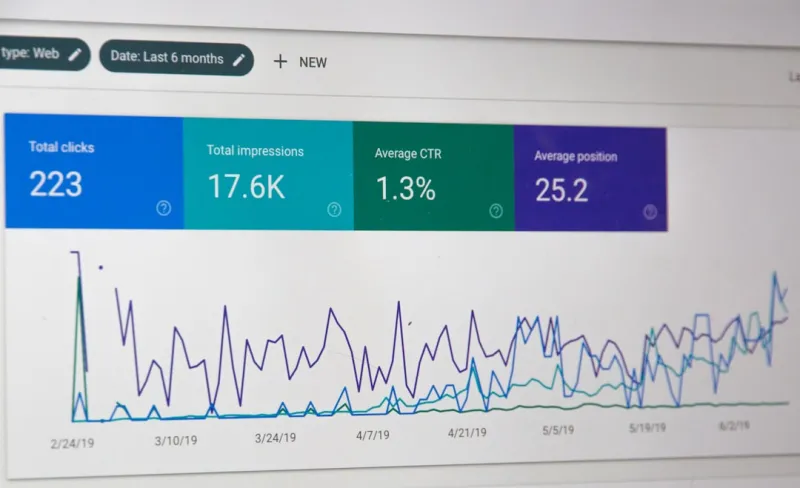
Analytics in 2026 have matured from raw click counts to predictive insights that forecast foot traffic based on search trends, weather patterns, and even local transit schedules. By integrating GBP metrics with AI‑enhanced dashboards, you can visualize which search queries translate into in‑store visits, allowing you to allocate ad spend to the most profitable neighborhoods and refine your content calendar around peak discovery moments.
Future‑Proofing Your Local SEO Strategy
The next wave of local SEO will be defined by the marriage of authenticity and AI, where search engines reward businesses that demonstrate genuine community involvement while also delivering data‑rich, technically flawless experiences. As we move forward, staying attuned to hyper‑local cultural shifts, investing in real relationships, and continually refining technical performance will ensure that your brand remains the go‑to choice for nearby customers looking for the perfect blend of relevance and reliability.

Jessica Hall is a dynamic freelance writer based in the vibrant city of London, Ontario. As a dedicated single mom, she expertly juggles the demands of parenthood with her passion for storytelling, crafting compelling narratives that resonate with readers. With a background in retail, Jessica brings a unique perspective to her writing, infusing her work with insights drawn from her experiences.
Related Posts

Geo‑Fence Mastery: Turning Foot Traffic into Leads
Discover a fresh local SEO strategy that uses geo‑fencing to capture passersby, serve hyper‑rele... Read More

Hyper‑Local Partnerships: The Untapped Power of Neighborhood SEO
Jessica Hall explains why collaborating with trusted local businesses, using micro‑location schema... Read More

Neighborhood‑First SEO: Turning Local Communities into SaaS Growth Engines
A neighborhood‑first SEO strategy goes beyond map pins, using localized content, reviews, and stru... Read More
Top Posts

Empathy‑First Tactics to Supercharge Your Local SEO
Learn why listening to your neighborhood, crafting hyperlocal content, and using empathetic link‑building are the keys to dominating local search results....Read More

Conversational Marketing: The Untapped Engine Driving SaaS Growth
A deep dive into conversational marketing for SaaS, covering channel selection, human‑centric design, data integration, and measurement tactics to unlock new ...Read More

Harnessing Employee Advocacy: A Secret Weapon for SaaS Social Strategy
Employee advocacy transforms every team member into a trusted voice, amplifying content, shortening sales cycles, and building brand credibility—all while boo...Read More

Beyond the Docs: Technical SEO Strategies for SaaS API Portals
A deep dive into the technical SEO tactics that make SaaS API documentation discoverable, from server‑side rendering and structured data to smart versioning a...Read More
0 Comments
Post Comment
You will need to Login or Register to comment on this post!