

When Google’s algorithm whispers the word “snippet,” most of us picture the classic three‑line blurb that lives under a title. But the SERP landscape is mutating faster than a SaaS product’s feature roadmap. AI‑generated snippets—whether they’re concise answer blocks, AI‑driven “People also ask” expansions, or dynamically curated product overviews—are staking claim on premium real estate that used to belong to the organic list. If you’re a SaaS marketer still optimizing for static titles and meta descriptions, you’re about to get left in the dust of an ever‑shrinking attention span.
What AI‑Generated Snippets Really Are (and Why They Matter)
At a high level, AI‑generated snippets are machine‑crafted excerpts that pull from multiple sources—your site, competitor pages, structured data, even user‑generated content—to answer a query in a way that feels conversational and instantly useful. Google’s Multitask Unified Model (MUM) and the newer Gemini architecture enable the search engine to synthesize data in real time, delivering a “one‑stop shop” answer that can eclipse traditional organic listings.
- Speed of discovery. Users get the answer they need without a click, meaning the snippet itself becomes the brand’s billboard.
- Authority transfer. If the snippet draws on your content, Google is effectively handing you a credibility boost.
- Conversion potential. Even a no‑click interaction can influence purchasing intent, especially for high‑ticket SaaS solutions where trust is paramount.
The kicker? These snippets are not static. They evolve with the query, the user’s context, and the latest data signals. That means the SERP is no longer a single, immutable page; it’s a living, breathing experience that you can influence—if you understand the levers.
Mapping the New SERP Real Estate: From Snippets to “Answer Widgets”
Traditional SERP real estate—title, URL, meta description—has always been a prized asset. Today, the battlefield has expanded to include:
- Featured Answer Widgets. Full‑sentence answers that appear above the organic list.
- AI‑Enhanced “People Also Ask” (PAA) blocks. Nested, machine‑curated question trees that can surface multiple facets of your product.
- Dynamic “Product Overview” cards. For SaaS tools, Google can now surface a concise table of features, pricing tiers, and integration options—directly from your site’s structured data.
- Multimedia snippets. Short‑form video or GIF previews generated from your content, similar to the rise of short‑form video in social marketing.
Each of these slots competes for the same user attention budget, and each demands a different optimization strategy. Think of it as moving from a single billboard on a highway to a multi‑screen digital billboard network. You can’t just plaster one message and hope for the best; you need coordinated, context‑aware content.
How to Position Your SaaS Brand Inside AI‑Generated Snippets
Below are the three pillars that will let you claim a slice of this emergent real estate.
1. Supercharge Structured Data with “Product Knowledge Graphs”
Google already pulls from schema.org SoftwareApplication markup to populate product cards. To push a snippet further, enrich this markup with:
- Detailed
featureListarrays that enumerate core capabilities. - Customer
reviewsnippets that include star ratings and brief testimonials. - Integration
offersthat highlight partner ecosystems.
When you align your schema with the language used in actual search queries—think “CRM automation for B2B teams” instead of generic “CRM software”—you give the AI a clearer signal about relevance.
2. Turn Feature Releases into Snippet‑Ready Content
Every new release is a mini‑event that can be leveraged for snippet dominance. A well‑crafted Turning Feature Releases into SEO Wins guide shows you how to:
- Publish a dedicated “What’s New” page with concise, bullet‑point summaries that Google can extract.
- Embed structured data
SoftwareApplicationUpdateblocks to signal freshness. - Cross‑link to related support articles, creating a semantic web that the AI can traverse.
Result? When a user asks “What does Acme CRM do with AI‑driven lead scoring?” Google can pull directly from your update page, placing your brand in the answer widget.
3. Optimize for Crawl Budget and Indexability
AI‑driven snippets rely on the same crawl signals as any other SERP feature. If Google can’t efficiently crawl your site, it can’t surface your content in a snippet. The Crawl Budget Unlocked playbook outlines tactics such as:
- Consolidating duplicate landing pages to reduce wasted crawl cycles.
- Prioritizing high‑value “snippet‑ready” pages in your robots.txt and sitemap.
- Using log‑file analysis to spot crawl bottlenecks that may be throttling AI access.
When you align crawl efficiency with snippet opportunities, you ensure that Google’s AI can see and understand the content you want to promote.
Voice‑First Meets AI Snippets: A Dual‑Channel Strategy
Voice assistants are the natural extension of AI‑generated snippets. When a user asks a smart speaker, “Find me a project‑management SaaS that integrates with Slack,” the answer often comes from the same underlying knowledge graph that powers text‑based snippets. That’s why a Voice‑First Marketing approach is no longer optional—it’s a parallel highway to the same destination.
Here’s how to align the two:
- Use conversational schema. Frame your feature descriptions in question‑answer pairs that mirror natural speech.
- Leverage FAQ markup. Even if you’ve already covered FAQ boxes elsewhere, a focused “voice‑ready” FAQ set can increase the likelihood of being pulled into voice responses.
- Maintain a concise “answer length.” Voice assistants favor answers under 30 seconds; the same principle applies to text snippets—keep them crisp.
When you succeed on both fronts, you dominate the SERP and the voice assistant ecosystem simultaneously, creating a feedback loop that reinforces brand authority.
Measuring Success: From Clicks to “Snippet Impressions”
Traditional SEO KPIs—organic traffic, click‑through rate (CTR), keyword rankings—still matter, but they no longer tell the whole story. Introduce these new metrics into your dashboard:
- Snippet Impression Share. The percentage of times your brand appears in an AI‑generated snippet relative to total impressions for the target query.
- Zero‑Click Conversion Rate. Track downstream actions (sign‑ups, demo requests) that originate from a no‑click interaction. Use UTM parameters on your landing pages to attribute correctly.
- Voice Attribution. Identify sessions that begin with a voice search and end in a conversion; tools like Google Search Console now expose voice‑specific data.
By expanding your KPI set, you can justify investments in snippet optimization and demonstrate ROI to stakeholders who still think “if you don’t get a click, you don’t win.”
Future‑Proofing Your SERP Strategy
AI‑generated snippets are just the first wave of a broader trend: the SERP as a knowledge‑delivery platform. Upcoming features to watch include:
- Real‑time pricing widgets. Google may start pulling live pricing data from SaaS sites, turning a snippet into a mini‑shopping cart.
- Dynamic integration maps. Visual representations of how your product connects with third‑party tools could appear directly in the results.
- Personalized snippet feeds. Using user history and firmographic data, Google could surface a customized list of SaaS solutions for each visitor.
Preparing now means you’ll be ready when these capabilities roll out. Start by:
- Auditing your current structured data for completeness.
- Implementing a release‑focused content pipeline (see the feature‑release playbook).
- Monitoring crawl health and snippet metrics weekly.
In the fast‑moving world of SaaS, the only constant is change. Embrace AI‑generated snippets not as a gimmick, but as the next logical evolution of search visibility. The brands that master this new SERP real estate will enjoy higher brand recall, stronger trust signals, and a pipeline that fills itself—no clicks required.

Tom Ferguson is a Canadian freelance writer with a passion for storytelling, current events, and thoughtful commentary. Drawing on years of writing experience, he shares engaging insights on a wide range of topics, bringing a uniquely Canadian perspective to his work.
Related Posts
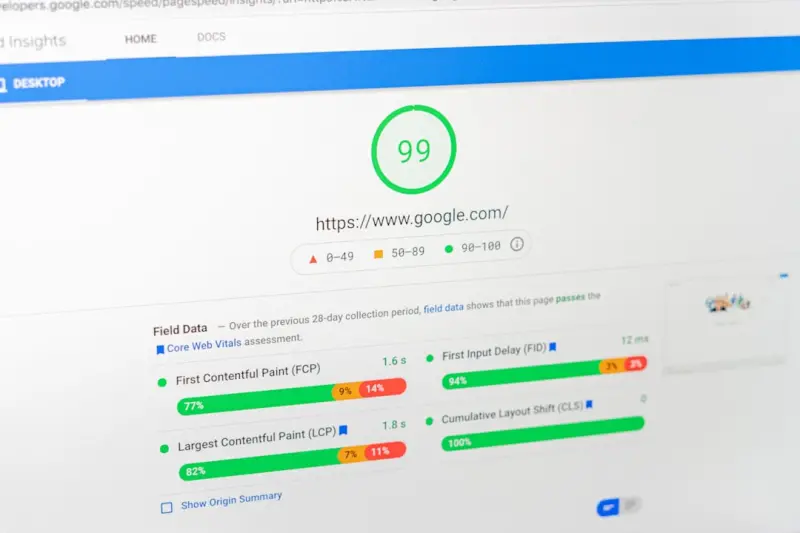
Winning the Personalized SERP: How to Tailor Your Content for Each Searcher
Learn why SERPs are now uniquely tailored to each searcher and get actionable tactics—schema, cont... Read More
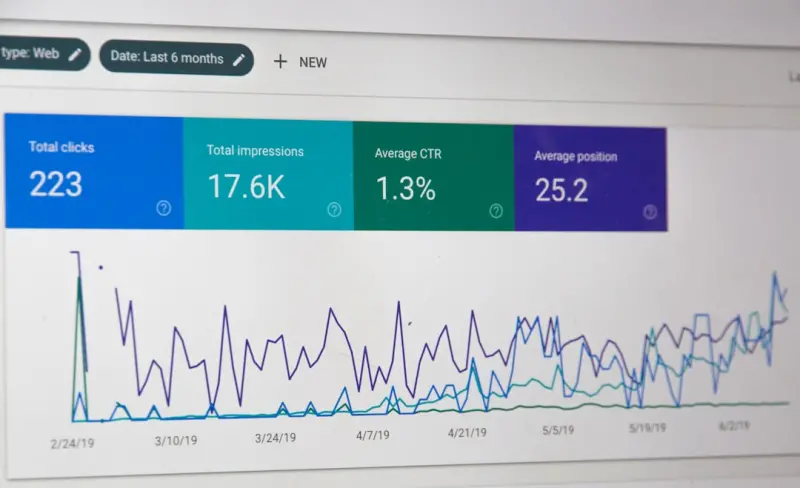
Beyond the Blue Links: Mastering SERP Features for Real Visibility
Learn a strategic playbook for claiming rich results across Google’s evolving SERP landscape, from... Read More

SERP Real Estate: A SaaS Playbook for Feature Domination
A deep dive into how SaaS brands can strategically claim and optimize featured snippets, knowledge p... Read More
Top Posts
Zero‑Click Search Optimization: Turning Google’s Instant Answers into SaaS Wins
Zero‑click search is reshaping how SaaS companies win visibility. This guide walks you through content architecture, schema markup, and testing strategies to ...Read More
The Mobile SEO Playbook SaaS Teams Need Right Now
Mobile search now drives the majority of SaaS discovery. This playbook walks you through a true mobile‑first architecture, Core Web Vitals, structured data, a...Read More

Edge-First Technical SEO: Leveraging CDNs, HTTP/2, and PWAs
This post reveals why SaaS platforms should adopt an edge‑first architecture, covering CDN strategies, HTTP/2 benefits, PWA implementation, and server‑log i...Read More
Why SaaS PWAs Need a Technical SEO Strategy
Progressive Web Apps offer app‑like experiences for SaaS users, but without proper technical SEO they stay invisible to search engines. This guide walks you t...Read More
0 Comments
Post Comment
You will need to Login or Register to comment on this post!