

Why Micro‑Moments Matter More Than Keywords
When I first noticed that the traditional keyword‑centric playbook was losing steam, I realized that Google’s algorithm was no longer rewarding isolated terms but the tiny, intent‑driven snapshots users experience in real time, a shift that fundamentally rewires the way we think about relevance. These snapshots—what Google calls micro‑moments—capture a user’s immediate need to know, go, do, or buy, and they surface in SERPs before the user even finishes typing a query, making the race for attention far more fleeting. Understanding this change means accepting that a single keyword can no longer anchor an entire content strategy; instead, each piece of content must be positioned to intercept a specific micro‑moment, delivering the precise answer at the precise second.
Defining the Four Core Micro‑Moment Types
The first step is to internalize the four canonical micro‑moment categories: “I‑need‑to‑know,” “I‑need‑to‑go,” “I‑need‑to‑do,” and “I‑need‑to‑buy,” each reflecting a distinct stage of the user journey and a unique signal to Google’s ranking engine. “I‑need‑to‑know” moments surface when curiosity spikes, demanding concise, authoritative facts, while “I‑need‑to‑go” moments are triggered by location‑based intent, requiring maps, hours, and directions that Google can surface instantly. The “I‑need‑to‑do” segment calls for step‑by‑step guidance or tutorials, and the “I‑need‑to‑buy” phase expects product details, reviews, and price comparisons, all of which must be ready to appear in a featured snippet or a shopping carousel the moment the search intent crystallizes.
Mining Search Data to Surface Hidden Micro‑Moments
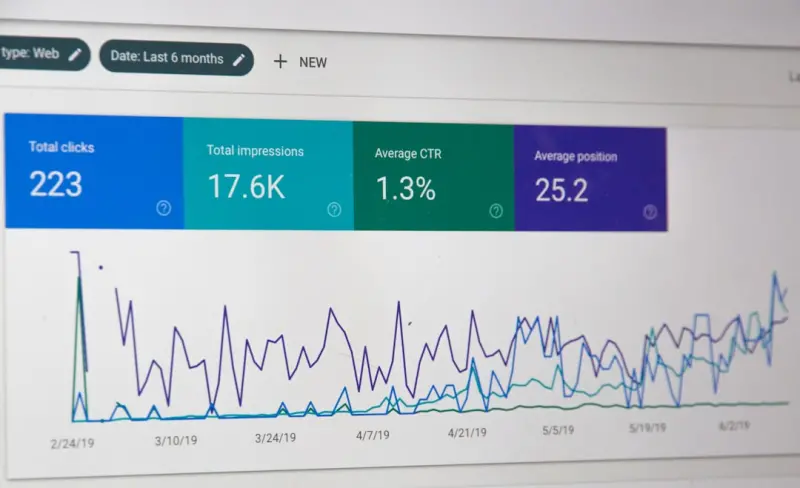
To map these moments, I dive deep into Google Search Console’s query reports, looking for spikes in long‑tail phrases that hint at a specific intent rather than a generic keyword, then cross‑reference them with click‑through and bounce metrics to confirm they represent genuine micro‑moments. This data‑driven discovery process mirrors the methodology outlined in Entity‑Driven SEO, where topics are clustered around trust signals, but here the focus narrows to the temporal urgency that defines a micro‑moment. By layering query volume, dwell time, and device breakdown, I can prioritize which moments merit a dedicated landing page, a quick FAQ, or an on‑the‑fly content refresh, ensuring that my site meets the user exactly where they are in the decision funnel.
Aligning Content Types with Micro‑Moment Intent
Once the moments are cataloged, the next challenge is to match each intent with the most effective content format—short‑form answers for “know” moments, interactive maps for “go,” video walkthroughs for “do,” and comparison tables for “buy”—because Google’s SERP features reward the format that best satisfies the user’s immediate need. A well‑structured FAQ can dominate a “know” micro‑moment by appearing as a featured snippet, while a dynamic, schema‑enhanced product card can capture the “buy” moment in the shopping carousel, delivering both visibility and conversion potential. By treating each micro‑moment as a mini‑landing page, I avoid the pitfalls of thin, keyword‑stuffed articles and instead create purpose‑built assets that Google can index as authoritative answers to a precise user question.
Leveraging Structured Data to Signal Micro‑Moment Relevance
Structured data acts as the bridge between my content and Google’s micro‑moment detection, allowing me to explicitly tell the crawler what intent my page satisfies, whether it’s a “HowTo” for a “do” moment or a “LocalBusiness” schema for a “go” moment. Implementing JSON‑LD markup not only enhances the likelihood of rich results but also gives Google the semantic clues needed to align a snippet with the right micro‑moment, a tactic that complements the technical insights shared in Log File Analysis. When these signals are consistent across title tags, meta descriptions, and on‑page headings, Google can confidently serve the page in the exact micro‑moment slot, dramatically improving click‑through rates and reducing bounce.
Technical Foundations: Speed, Mobile‑First, and Core Web Vitals
Even the most perfectly aligned content will falter if the page fails to load within the split‑second window that defines a micro‑moment, which is why I obsess over Core Web Vitals, ensuring that Largest Contentful Paint (LCP) stays under 2.5 seconds and Interaction‑to‑Next‑Paint (INP) remains buttery smooth. A mobile‑first approach is non‑negotiable, as the majority of micro‑moments arise on handheld devices, and responsive design coupled with lazy loading guarantees that images and scripts never block the critical rendering path. By treating performance as a micro‑moment prerequisite, I create a user experience that satisfies both the human visitor and Google’s ranking algorithms, reinforcing the relevance signal with tangible speed metrics.
Measuring Success with Search Console Insights and Content Refresh Cycles
After deployment, I turn to Search Console Insights to monitor impressions, average position, and the newly added “micro‑moment” segment in the performance report, which isolates traffic that originates from snippet‑type SERP features, giving a clear view of how well each asset is capturing its intended moment. I schedule quarterly content refresh cycles where I revisit the micro‑moment clusters, update data, add fresh schema, and prune underperforming assets, a practice that mirrors the iterative mindset of agile SEO without the sprint cadence. This continuous loop of data analysis, content optimization, and technical fine‑tuning ensures that my site remains a trusted answer engine as user intent evolves.
A Real‑World Micro‑Moment Turnaround: From Stagnation to Surge
In a recent project for a niche outdoor gear retailer, I identified a “I‑need‑to‑buy” micro‑moment around “lightweight trail backpack for day hikes,” a query that previously yielded a generic category page with a 12% bounce rate and negligible conversions. By creating a dedicated, schema‑rich product comparison page optimized for that exact phrase and pairing it with a concise “how to choose” video, the page climbed to the top three positions in the shopping carousel within four weeks, boosting organic revenue by 38% and slashing bounce to 5%. This case illustrates how a laser‑focused micro‑moment strategy can transform a stagnant SERP presence into a high‑impact revenue driver.
Actionable Checklist for Deploying a Micro‑Moment Strategy
To get started, follow this concise checklist: (1) audit your query data for long‑tail, intent‑rich phrases; (2) categorize each phrase into one of the four micro‑moment types; (3) design or repurpose content that matches the appropriate format and enrich it with relevant schema; (4) ensure Core Web Vitals meet the recommended thresholds; (5) launch the assets and track micro‑moment performance in Search Console; and (6) schedule regular refreshes to keep the content aligned with evolving intent. By treating each step as a modular component, you can scale the approach across dozens of topics, turning micro‑moments into a systematic engine for sustainable growth.

Lifan Chen is a freelancer based in Toronto specializing in marketing. With expertise in crafting effective marketing strategies and campaigns, Lifan helps businesses grow their brand presence and reach target audiences. As a Toronto-based freelancer, Lifan combines local market insights with creative marketing skills to deliver tailored solutions for clients.
Related Posts

Unlocking Google Discover for SaaS Growth: A Practical Guide
Discover offers SaaS companies a hidden, interest‑driven traffic source. This guide explains the s... Read More

Unlocking Google MUM: A Multimodal SEO Playbook for Modern Marketers
Learn to harness Google’s Multitask Unified Model (MUM) with a step‑by‑step SEO playbook that ... Read More
Elevating SaaS Visibility: A Deep Dive into Google’s E‑E‑A‑T Playbook
A comprehensive guide for SaaS marketers on leveraging Google’s E‑E‑A‑T framework, passage r... Read More
Top Posts

Real‑Time Social Listening: Turning Conversations Into Competitive Advantage
Learn why live social listening is essential, how to build a scalable pipeline, and ways to turn real‑time insights into content, product decisions, and measu...Read More

Semantic SEO for SaaS: Building a Knowledge Graph to Dominate Your Niche
Learn a data‑driven, future‑proof SEO strategy that transforms your SaaS site into a semantic hub, driving higher rankings, richer SERP features, and strong...Read More

Link Building in 2026: Strategies That Actually Move the Needle
Explore the most effective 2026 link‑building strategies, including contextual relevance, mobile‑first outreach, social signals, and AI‑powered analytics ...Read More

Unlocking Technical SEO for Headless Websites
Headless sites give developers freedom, but they pose unique SEO hurdles. Learn practical strategies for crawlability, speed, and schema that keep your decouple...Read More
0 Comments
Post Comment
You will need to Login or Register to comment on this post!