
In the relentless churn of status updates, TikTok loops, and fleeting stories, the most valuable currency isn’t the number of likes you collect—it’s the signal hidden inside every comment, meme, and mention. I’ve spent the last decade watching brands chase virality, only to watch that momentum evaporate when the conversation shifts. That’s why I now treat every platform as a living pulse, a real‑time barometer that tells me whether my messaging is resonating or misfiring. Social listening isn’t a buzzword; it’s the disciplined practice of turning ambient chatter into strategic firepower, and it starts with a mindset that treats every user voice as a data point worth defending.
From Monitoring to Listening: The Semantic Leap
Most marketers mistake “monitoring” for “listening,” assuming that simply collecting mentions satisfies the need for insight. Monitoring is the act of gathering raw data—tweets, Reddit threads, Instagram captions—while listening adds layers of intent, sentiment, and context that transform noise into narrative. When I first swapped my dashboard of vanity metrics for a sentiment‑analysis engine, I discovered that a single phrase like “brand‑X feels cheap” could predict a dip in conversion rates before the sales team even noticed. The key difference lies in asking “what does this mean for the brand?” instead of “how many times did this appear?” and that question fuels every subsequent decision.
The Toolbox: Platforms, APIs, and Human‑Centric Filters
Building a robust listening stack begins with a mix of off‑the‑shelf platforms (Brandwatch, Sprout Social) and custom API integrations that pull data from niche corners—Discord servers, niche forums, and even emerging audio‑based apps. I favor a hybrid model where AI‑driven classifiers triage the bulk of the volume, flagging spikes in emotion or emerging keywords, while seasoned community managers apply a human filter to catch sarcasm, cultural nuance, or local slang that algorithms miss. This dual approach ensures you’re not drowning in false positives, and it lets you surface actionable themes—like a sudden surge in “sustainability concerns” that could inform product tweaks or PR messaging.
Blueprint for a Listening Framework: Goals, Metrics, Cadence
Before you launch any listening initiative, anchor it to concrete business objectives: brand health, product development, crisis mitigation, or competitive benchmarking. Define clear KPIs—share of voice, sentiment delta, volume spikes, or conversion lift from sentiment‑driven campaigns—and decide on the cadence of reporting, whether it’s an hourly alert for crisis teams or a weekly digest for product managers. By mapping each metric to a decision gate, you eliminate the temptation to chase vanity data and keep the team focused on insights that move the needle. The framework becomes a living document, updated as platforms evolve and as new audience segments emerge.
From Insight to Action: Turning Data into Campaigns
Insight without execution is a dead end. Once a sentiment trend surfaces—say, users expressing frustration over a checkout glitch—you must mobilize cross‑functional squads: UX designers to fix the flow, copywriters to craft apologetic messaging, and paid social specialists to amplify the fix. In my experience, the fastest wins come when you align listening alerts with pre‑approved response playbooks, reducing decision latency from hours to minutes. The result isn’t just a smoother customer experience; it’s a measurable uptick in trust, often reflected in higher repeat purchase rates and lower churn.
Case Study: Listening Fuels Community‑Led Innovation
A mid‑size apparel brand I consulted for had been struggling to break through the noise of fast‑fashion giants. By implementing a listening regimen that zeroed in on niche conversations within private social communities, we uncovered a passionate sub‑segment demanding more sustainable fabrics. The brand responded with a limited‑run capsule collection, promoted through targeted stories that highlighted the community’s input. Not only did the collection sell out within days, but the brand’s overall sentiment score jumped 12 points, and the community’s engagement metrics doubled—proof that listening can convert hidden advocates into vocal brand champions.
Synergy with Paid Social: Amplifying the Whisper
Listening doesn’t exist in a vacuum; its findings should inform every layer of your paid media strategy. When sentiment data reveals a rising enthusiasm for a product feature, you can retarget that audience with tailored ad creative, increasing relevance and lowering acquisition costs. Conversely, if a negative narrative spikes, you can pull back spend, inject corrective messaging, or even launch a rapid‑response video ad to address concerns head‑on. The feedback loop becomes cyclical: paid campaigns generate new conversations, which listening then evaluates, refining the next wave of creative in an agile, data‑driven dance.
Ethics, Transparency, and the Trust Equation
Harvesting real‑time chatter raises serious ethical questions about privacy, consent, and data ownership. It’s imperative to be transparent with your audience about how you collect and use their public statements, and to respect platform policies that limit data scraping. I advise brands to publish a concise listening policy on their website, outlining the types of data captured, the purpose behind it, and the safeguards in place. By positioning listening as a service to the community—showcasing how insights lead to better products or faster issue resolution—you turn a potentially intrusive practice into a trust‑building exercise.
The Horizon: AI‑Enhanced Sentiment and Predictive Listening
Looking ahead, the fusion of generative AI with sentiment analysis will push listening from reactive to predictive. Imagine a system that not only flags an emerging complaint but also simulates its potential impact on sales, recommending pre‑emptive actions before the issue spreads. While the technology is still maturing, early adopters are already seeing a competitive edge, especially when they pair AI insights with human judgment. If you haven’t yet embedded a listening culture into your brand’s DNA, now is the moment to start—because the conversations you miss today become the crises you regret tomorrow.

Paul Gray is a dynamic blogger based in Brampton, where he shares his life with his amazing wife, Sarah. Known for his engaging writing style and relatable insights, Paul has carved out a niche in the blogging world that resonates with readers from all walks of life. When he's not crafting captivating posts, you can find him savoring a cold beer or indulging in the latest blockbuster movie. With a friendly demeanor and a passion for storytelling, Paul brings a unique perspective to his work, making him not just a blogger, but a voice for those who appreciate the simple joys of life.
Related Posts
Why Social Media Still Feels Like the Wild West in 2024: Nikki McDonald’s Insider Playbook
Nikki McDonald reveals how to turn 2024’s social media chaos into a growth engine, merging trends,... Read More
AI‑Generated Visuals on Social Media: Balancing Creativity, Authenticity, and ROI
Explore the rise of AI‑generated visuals in social media, learn to blend them with authentic conte... Read More
The Shifting Landscape of Social Media: How to Stay Ahead
Stay ahead in the ever-changing world of social media with the latest trends and best practices. Lea... Read More
Top Posts
Human‑Centric Social Media Marketing: Turning Talk into Conversions
A human‑first lens transforms social media from noise to meaningful dialogue, driving trust and real conversions for brands ready to listen and engage....Read More
The Social Media Playbook That’s Redefining Growth in 2024
Paul Gray reveals how authentic storytelling, data‑driven tactics, and cross‑platform synergy are reshaping social media marketing in 2024, offering actiona...Read More

Cracking Google’s Passage Ranking: A Tactical Guide for SaaS Content
Google’s passage ranking lets individual paragraphs rank like standalone pages. This guide shows SaaS marketers how to craft, structure, and measure content s...Read More
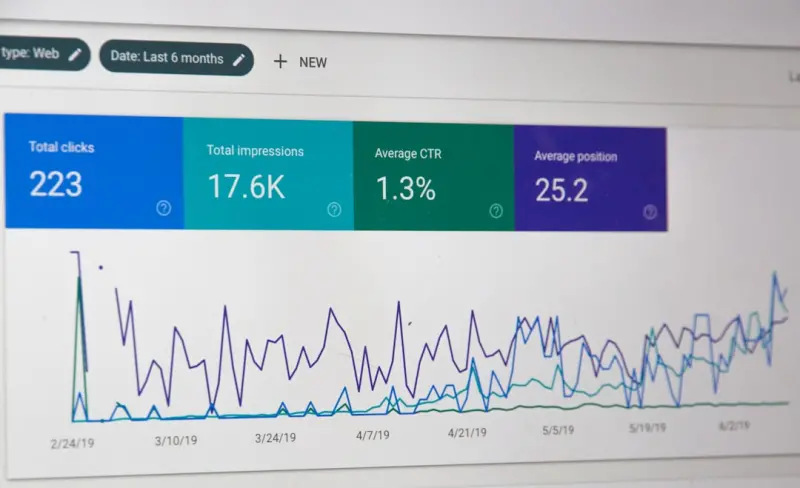
Mastering Google SEO in the Age of AI and User‑First Signals
Discover AI‑powered Google SEO strategies that prioritize user intent, multimedia, and structured data to boost rankings and engagement....Read More
0 Comments
Post Comment
You will need to Login or Register to comment on this post!