
Why SERP Volatility Demands a Resilient SEO Playbook
Search engine results pages are no longer static billboards; they are living ecosystems that shift with every algorithm tweak, feature rollout, and user‑intent evolution. Volatility on the SERP can turn a site that once enjoyed a coveted top‑three spot into a footnote overnight, eroding traffic and jeopardizing revenue streams. Understanding why these fluctuations happen and how to safeguard against them is the new frontier for anyone serious about sustainable organic growth.
The primary drivers of this churn are threefold: Google’s relentless pursuit of better user experiences, the rapid introduction of new SERP features such as “People also ask,” “Related searches,” and AI‑driven answer boxes, and the subtle shifts in user intent as mobile, voice, and visual search become mainstream. Each of these forces can rewrite the hierarchy of results without warning, meaning that a keyword that once ranked safely may now be displaced by a featured snippet or a map pack. By recognizing these patterns, marketers can anticipate where the next disruption may surface and position their content accordingly.
The impact of SERP volatility is immediate and measurable. A sudden drop in rankings often translates to a 20‑30 % dip in organic sessions, which can cascade into lower conversion rates and missed sales targets. Moreover, the psychological effect on brand perception cannot be ignored; consumers equate top‑ranked listings with authority, so disappearing from the first page can erode trust. This dual threat of traffic loss and brand dilution makes it essential to treat SERP stability as a core KPI rather than a nice‑to‑have metric.
To counteract this uncertainty, savvy SEOs are adopting a resilience strategy that focuses on diversification beyond single‑keyword rankings. Instead of putting all eggs in the basket of “best‑positioned” terms, the approach spreads visibility across multiple SERP real‑estate: featured snippets, video carousels, local packs, and even “People also ask” panels. By owning several of these slots, a brand ensures that even if one disappears, others remain to capture clicks and maintain relevance.
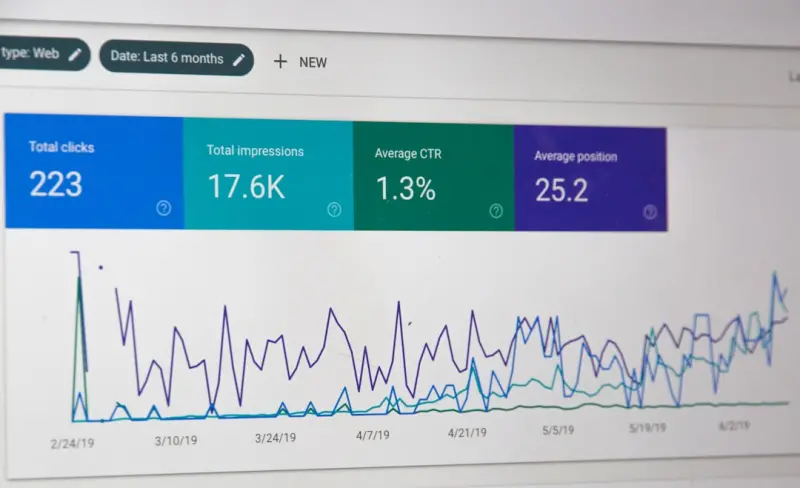
Implementing such a strategy starts with vigilant monitoring. Set up automated alerts for position changes, feature appearances, and schema errors using tools like Search Console, third‑party rank trackers, and even custom scripts that scrape SERP layouts. Regularly audit the presence of structured data, as missing or outdated markup can be the difference between earning a rich result or being relegated to the organic list. For deeper insight, consider integrating log file analysis to see exactly how crawlers interact with your pages during feature rollouts.
Structured data remains the linchpin for securing premium SERP real‑estate. Implementing schema.org markup for FAQs, how‑to guides, and product information signals to Google that your content is ready for enhanced display. When done correctly, these tags can trigger “Answer Box” placements that sit above the traditional blue links, delivering immediate visibility even if the page’s overall ranking fluctuates. Remember to validate markup with the Rich Results Test and monitor for deprecation notices, as Google frequently updates schema requirements.
Beyond technical tweaks, building authority outside the SERP cushions the blow of volatility. Establishing a robust presence through community hubs, brand podcasts, and social channels creates multiple touchpoints where users can discover your expertise independent of search rankings. When users encounter your brand across these channels, the likelihood of direct navigation or branded searches rises, effectively bypassing the traditional SERP altogether.
Content strategy must also evolve to meet the demands of new SERP formats. Prioritize concise, answer‑focused copy that directly addresses common queries, as this increases the chance of snippet capture. Supplement these answers with high‑quality visuals, tables, and bullet points to satisfy the format requirements of “People also ask” and “Featured Snippet” modules. A well‑structured
- FAQ section
- Step‑by‑step guide
- Comparison table
can serve as a modular asset, repurposed across multiple SERP features without reinventing the wheel.
Looking ahead, the SERP will continue to morph under the influence of AI personalization and privacy‑centric search signals. As Google tailors results to individual browsing histories, the concept of a single “ranking position” becomes obsolete, replaced by a spectrum of personalized experiences. The only way to stay ahead is to adopt a mindset of continuous adaptation: regularly revisit keyword clusters, refresh schema, and experiment with emerging formats. In this ever‑shifting landscape, resilience isn’t just a defensive tactic—it’s the engine that drives long‑term organic dominance.

David MacKinnon is a dynamic freelance writer known for his captivating storytelling and keen insights into the world of technology. With a passion for exploring the intersection of innovation and everyday life, he crafts engaging narratives that not only inform but also inspire his readers.
Related Posts

Mastering the 2024 SERPs: Miranda Murphy’s Insider Playbook
Miranda Murphy reveals how to conquer the 2024 SERPs with AI‑driven intent, zero‑click tactics, ... Read More
The Hidden Playbook Behind SERP Personalization: Winning the AI‑Driven Search Game
Explore the rise of personalized SERPs, zero‑click dominance, and AI intent clusters. Learn practi... Read More

Why the SERPs Are Turning Human: A Marketer’s Insider Playbook
Discover why search results feel more personal than ever and get insider tactics to align your SEO w... Read More
Top Posts

Why Listening on Social Beats Posting: A Data‑Driven Playbook
Social listening transforms noisy online chatter into strategic insight. This playbook shows SaaS marketers how to build a listening stack, translate conversati...Read More

The Shifting Landscape of SERPs: A Comprehensive Guide
The landscape of Search Engine Results Pages (SERPs) is shifting dramatically. Stay ahead of the curve with our comprehensive guide to the latest trends and str...Read More

Turning Social Media Groups Into Authentic Growth Engines
Learn to turn any social media group into a self‑sustaining growth engine with purposeful design, authentic content, and community‑first metrics....Read More
Hyperlocal Partnerships: The Untapped Engine Behind Local SEO Success
Learn why teaming up with local businesses and creating hyper‑focused neighborhood guides can transform your local SEO, attract more customers, and put you at...Read More
0 Comments
Post Comment
You will need to Login or Register to comment on this post!