
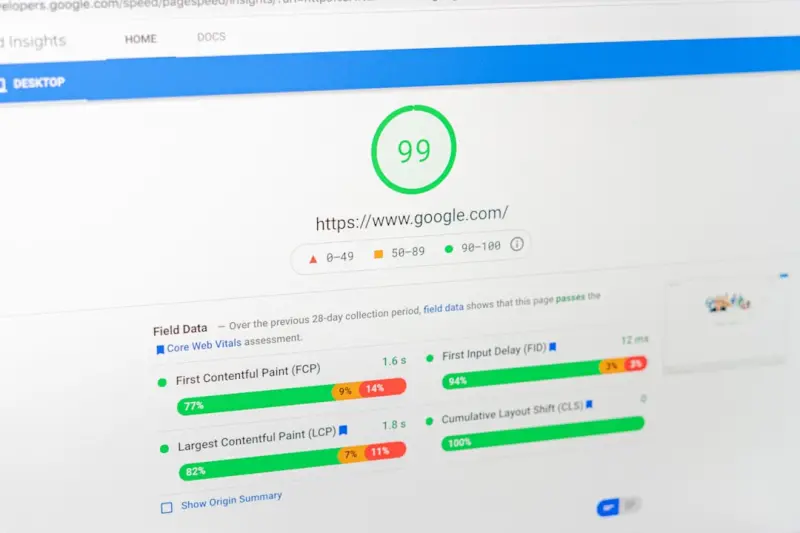
Zero‑Click Searches: Turning Passive Visibility into Active Leads
When you first hear “zero‑click search,” the term can feel like a paradox. After all, isn’t the whole point of search marketing to get users to click through to your site? In reality, the rise of zero‑click results—those moments when users get their answer straight from the SERP without ever tapping a link—has reshaped the way SaaS marketers think about value, brand authority, and lead generation.
In this post, I’ll walk you through why zero‑click searches matter more than ever, how they affect the SaaS buying journey, and three concrete tactics you can implement today to capture value from that invisible traffic. Spoiler: you’ll discover that the SERP itself can become a conversion‑ready asset.
Why Zero‑Click Searches Are No Longer an Anomaly
Google’s answer boxes, featured snippets, “People also ask” panels, and local packs have been around for years. What’s changed is their prevalence. Recent data shows that a majority of searchers now receive a direct answer on the first page, with over 60% of queries resulting in some form of zero‑click experience. For SaaS companies, this shift has three major implications:
- Brand exposure without a click. Your company’s name, logo, and a concise value statement appear in front of a qualified audience—even if they never land on your site.
- Re‑defining conversion metrics. Traditional KPIs like click‑through rate (CTR) no longer tell the whole story. You need to measure “view‑through” impact and brand recall.
- Competitive real‑estate. If a rival claims the featured snippet for a high‑intent keyword, you lose both traffic and the mental association of that solution with the problem.
That’s why ignoring zero‑click opportunities is akin to leaving money on the table. Instead, treat the SERP as a new conversion surface where you can influence decisions before the user even clicks “Visit site.”
Mapping Zero‑Click Touchpoints to the SaaS Buyer’s Journey
Understanding where zero‑click results intersect with each stage of the buyer’s journey helps you design targeted interventions:
Awareness
Prospects often start with “what is X?” queries. A well‑crafted knowledge panel or featured snippet that succinctly defines your product category can plant the seed of awareness. Even if the user doesn’t click, your brand becomes the mental reference point for that solution.
Consideration
During the evaluation phase, searchers ask “how does X compare to Y?” or “benefits of X.” This is prime real estate for semantic SEO tactics that surface concise, comparison‑ready content. By structuring your pages to answer these “compare” questions directly, you can capture the featured snippet and stay top‑of‑mind.
Decision
When prospects reach “best SaaS for [specific problem],” the SERP may display a carousel of product cards, reviews, or pricing snippets. Optimizing your product’s schema, pricing tables, and review snippets can place your offering in that decision‑making carousel, nudging users toward a later click or even a direct contact form embedded in the SERP.
Three Tactical Levers to Harness Zero‑Click Value
Below are actionable steps you can roll out immediately. Each lever builds on existing SEO foundations while extending into the SERP’s emerging formats.
1. Elevate Structured Data Beyond the Basics
Most SaaS teams implement basic Organization and Website schema. To win zero‑click space, you need to layer on richer types:
- SoftwareApplication schema. Populate
offers,price,review, andaggregateRatingfields. Google can then render a “product card” directly in search results. - FAQPage schema. Turn high‑intent Q&A from your knowledge base into a FAQ block that Google may lift as a featured snippet.
- How‑to schema. Break down onboarding steps or integration guides into step‑by‑step lists that can appear as a rich carousel.
When you’re unsure where to start, review the structured data guide for a step‑by‑step walkthrough on implementation, testing, and monitoring.
2. Craft “Snippet‑Ready” Content Blocks
Zero‑click results thrive on brevity and clarity. Instead of writing long‑form blog posts, develop modular content that Google can extract easily:
- Answer blocks. Begin each page with a concise 40‑word paragraph that directly answers the primary query. Follow up with a brief bullet list of key takeaways.
- Comparison tables. Use HTML tables (with proper
thtags) to juxtapose your SaaS against alternatives. Google often lifts these as “compare” snippets. - Definition boxes. For industry jargon, provide a one‑sentence definition followed by a two‑sentence elaboration. This format aligns with the style of featured snippets.
Testing matters. Use Google Search Console’s “Performance” report to spot queries where your page ranks 2‑5. Then iterate on the opening paragraph to increase the likelihood of snippet capture.
3. Leverage “Zero‑Click Attribution” in Analytics
Since users may never click, traditional traffic reports miss the impact. Integrate the following into your measurement stack:
- View‑through conversions. Set up a brand‑search campaign in Google Ads that tracks conversions after users see your ad but don’t click, mirroring SERP exposure.
- Search term lift studies. Run surveys or use brand lift tools to gauge awareness among users who searched for key terms but didn’t click your site.
- Assist‑type attribution. In Google Analytics, enable “Assisted Conversions” and filter for “organic” source. This surfaces the indirect influence of zero‑click impressions on downstream conversions.
By quantifying the “invisible” influence, you can justify investments in snippet optimization and secure executive buy‑in.
Future‑Proofing Your Zero‑Click Strategy
The SERP is evolving fast. Here are two trends to keep on your radar:
AI‑Generated Direct Answers
Google’s AI models now generate bespoke answers for complex queries, often pulling data from multiple sources. To stay relevant, ensure your content is machine‑readable and kept up‑to‑date. Regularly audit your knowledge base for accuracy, and consider publishing “data sheets” in JSON‑LD format that AI can ingest.
Visual SERP Features
Image carousels, product screenshots, and video snippets are gaining prominence, especially for SaaS products with UI‑heavy demos. Optimize image alt text, provide transcripts for videos, and use VideoObject schema to increase the chances of landing in visual zero‑click slots.
Putting It All Together: A Sample Workflow
- Keyword audit. Identify high‑intent queries where you rank 2‑5.
- Schema expansion. Add
SoftwareApplicationandFAQPagemarkup to target pages. - Content refactor. Insert a 40‑word answer block at the top of each page.
- Analytics setup. Enable view‑through tracking and brand‑lift studies.
- Monthly review. Use Search Console to monitor snippet appearances and adjust copy accordingly.
This iterative loop ensures you’re continuously capturing zero‑click value and converting that exposure into tangible pipeline impact.
Closing Thought
Zero‑click searches are not a threat; they’re a new frontier of brand presence. By treating the SERP as a real estate you can own—through structured data, snippet‑ready content, and sophisticated attribution—you transform passive impressions into active opportunities. In the crowded SaaS landscape, the brand that shows up first in a user’s mind, even without a click, will be the one they call when they’re ready to buy.

Brandy Miller is a dynamic freelance writer based in the vibrant city of Cambridge, Ontario. With a passion for storytelling that knows no bounds, she crafts compelling narratives that captivate and inspire. Brandy’s love for writing shines through in her versatile work, whether she’s penning thought-provoking articles or engaging content that resonates with readers. Her unique perspective and friendly tone make her a sought-after voice in the writing community. When she’s not weaving words together, you can find her exploring the beautiful landscapes of Ontario, always seeking new adventures and inspiration for her next piece. Brandy is not just a writer; she’s a creative force, making her mark one word at a time.
Related Posts
The Evolution of Google SERPs: A Game-Changer for Online Visibility
Google SERPs have evolved significantly, impacting online visibility. Learn how to adapt your SEO st... Read More
Personalized SERPs: Turning Dynamic Search into Targeted Traffic
Learn to dominate modern SERPs by leveraging personalization, visual search, and voice optimization ... Read More
Beyond the Click: Mastering SERP Real Estate for Authority and Traffic
Discover how to dominate multiple SERP widgets—from snippets to visual carousels—and turn every ... Read More
Top Posts

Micro‑Geotargeting: Turning City Blocks into SaaS Leads
Discover a fresh approach to local SEO that treats every city block as a conversion hub, combining hyper‑local content clusters, optimized Google Business Pro...Read More
Crawl Budget Mastery: Technical SEO Tactics SaaS Teams Miss
A deep dive into why crawl budget matters for SaaS sites, practical steps to prioritize high‑value pages, and how structured data, server responses, and smart...Read More

Turning Social Interactions into a Predictable SaaS Lead Engine
A data‑driven framework that scores every social interaction, transforms questions into high‑value assets, and automates nurture tracks to turn social conve...Read More

Voice Commerce Is Redefining Online Retail
Voice commerce is transforming how shoppers discover and buy products. This article explores the rise of conversational shopping, practical optimization tips, a...Read More
0 Comments
Post Comment
You will need to Login or Register to comment on this post!