

When most SaaS marketers think about SEO, the first things that come to mind are keyword lists, backlink building, and content calendars. That’s a solid foundation, but it’s also a map that shows only the roads, not the terrain. The real frontier in search today is semantic SEO—the art and science of structuring your content so search engines understand the entities, relationships, and intent behind it. When done right, it turns a scattered blog post into a powerhouse of relevance that can dominate SERPs without relying on a single keyword.
Why Semantic SEO Matters More Than Ever for SaaS
SaaS products live in a complex ecosystem of problems, solutions, and stakeholder roles. A prospect might search for “project management automation” one day and “team collaboration analytics” the next. Traditional keyword targeting forces you to pick a single phrase and hope it aligns with every user’s mental model. Semantic SEO, by contrast, lets you map the whole entity graph of your niche—software categories, pain points, integrations, and outcomes—so Google (and other engines) can surface the right piece of content at the exact moment a user’s intent evolves.
Search engines have been moving from keyword matching to intent modeling for years. The introduction of the Knowledge Graph, the rise of featured snippets, and the shift toward zero‑click answers all signal that Google now ranks content based on its ability to answer a question, not just match a query. For SaaS, where buying cycles are longer and decisions involve multiple stakeholders, being the source of a clear, entity‑rich answer can dramatically shorten the path to conversion.
Building an Entity‑First Content Blueprint
Think of your SaaS platform as a living library of entities—features, integrations, use cases, industry verticals, and customer personas. The first step is to inventory these entities and understand how they relate to each other. Here’s a practical three‑step process:
- Catalog Core Entities: Start with the nouns that define your product. For a CRM, that might include “lead scoring,” “pipeline management,” “sales forecasting,” and “API integration.” For each, note synonyms and related terms.
- Map Relationships: Draw a simple graph showing how entities interact. “Lead scoring” feeds into “pipeline management,” which informs “sales forecasting.” Include external entities like “Zapier,” “HubSpot,” or “GDPR compliance” that often appear in user searches.
- Prioritize Based on Search Intent: Use search data (Google Search Console, Ahrefs, etc.) to see which entity clusters already attract impressions. Combine that with sales insights—what do prospects ask about during demos? Prioritize high‑intent clusters that align with revenue goals.
Once you have this entity map, you can start weaving it into your content architecture. The goal is to create content hubs that act as authoritative nodes for each core entity, with supporting articles that dive deeper into sub‑entities.
From Hubs to Topic Clusters—A Semantic Upgrade
We’ve all heard the term “topic clusters,” and you’ll notice that we’re not reinventing the wheel here. However, a semantic upgrade means each cluster isn’t just a set of articles linked by a generic theme; it’s a tightly‑connected web of entities that collectively answer a broader business problem. For example, a hub titled “Automated Lead Scoring for B2B SaaS” would include sub‑pages on:
- How machine learning improves lead scoring accuracy
- Integrating lead scoring with popular CRMs (e.g., Salesforce, HubSpot)
- Compliance considerations for GDPR‑focused lead data
- Case studies showing ROI from automated scoring
Each sub‑page should reference the hub and other sub‑pages using natural language, reinforcing the entity relationships you mapped earlier. This interlinking signals to search engines that your site has depth on the subject, increasing the chance of appearing in featured snippets, knowledge panels, and even Core Web Vitals‑friendly SERP features.
Crafting Entity‑Rich Content: Practical Writing Tips
Now that the structure is in place, the actual copy must embody semantic richness. Here are my go‑to tactics:
- Lead with the Entity: Begin paragraphs with the entity name. “Lead scoring uses predictive algorithms to rank prospects…” This placement reinforces the entity to both readers and crawlers.
- Use Structured Data Wisely: Implement
FAQPageandHowToschema to surface Q&A directly in SERPs. Tag each entity definition, benefits, and steps with appropriate schema types. - Employ Natural Language: Avoid keyword stuffing. Write as if you’re explaining the concept to a colleague. This aligns with Google’s BERT and MUM models, which prioritize context.
- Embed Contextual Links: When mentioning an integration, link to the dedicated page about that integration. This creates a semantic link network that search engines can crawl efficiently.
- Leverage Multimedia: Add diagrams of your entity graph, short explainer videos, and infographics. Tag images with descriptive
altattributes that include the entity name.
Measuring Semantic Success
Traditional SEO metrics—organic traffic, keyword rankings—still matter, but they don’t capture the full impact of semantic optimization. Add these to your dashboard:
- Entity Visibility Score: Tools like Clearscope or MarketMuse now provide entity‑level visibility metrics. Track improvements over time.
- Featured Snippet Capture Rate: Monitor how often your content appears in position zero for entity‑related queries.
- Zero‑Click Click‑Throughs: Even if users don’t click, impressions in the answer box indicate authority.
- Engagement on Hub Pages: Lower bounce rates and higher time‑on‑page suggest users find comprehensive answers.
Don’t forget to align these SEO signals with downstream metrics—MQLs, demos booked, and ARR growth. After all, the ultimate purpose of semantic SEO is to bring qualified prospects into your funnel faster.
Automation and Scaling: The Role of AI
Building and maintaining an entity graph can be labor‑intensive, but modern AI tools can help. Natural language processing (NLP) platforms can scan your existing content, extract entities, and suggest gaps. You can also use AI to auto‑generate entity‑focused meta descriptions and FAQ schema snippets at scale.
For those interested in the intersection of AI and SEO, check out our deep dive on AI‑First SEO. It outlines how generative models can draft entity‑rich copy that still feels human.
Common Pitfalls to Avoid
Even seasoned marketers can stumble when transitioning to a semantic approach. Here are the traps I see most often:
- Over‑Linking: Adding every possible internal link can dilute the signal. Prioritize links that reinforce core relationships.
- Ignoring User Intent Shifts: An entity that was high‑intent six months ago might become informational. Keep your entity graph dynamic.
- Neglecting Technical SEO: No amount of semantic brilliance will help if your site suffers from crawl errors or slow load times. Keep Core Web Vitals in check.
- Relying Solely on AI Content: AI can draft, but human expertise is needed to ensure accuracy, brand voice, and compliance—especially in regulated SaaS verticals.
Putting It All Together: A 90‑Day Semantic Sprint
To illustrate how you can launch this strategy, here’s a sample timeline:
- Weeks 1‑2: Conduct an entity audit. List 30‑40 core entities and map relationships.
- Weeks 3‑4: Prioritize 10 high‑value hubs based on search volume and sales impact.
- Weeks 5‑8: Create or revamp hub pages and supporting articles. Apply structured data, internal linking, and multimedia.
- Weeks 9‑10: Deploy AI tools to generate FAQ schema for each hub.
- Weeks 11‑12: Measure baseline metrics, then monitor entity visibility, snippet capture, and engagement.
- Weeks 13‑14: Iterate—add missing sub‑entities, refine internal links, and optimize page speed.
By the end of the sprint, you should see a measurable lift in both rankings for entity queries and qualified traffic flowing into your lead gen forms.
Future‑Proofing Your SEO Strategy
Semantic SEO isn’t a one‑off project; it’s a mindset. As search algorithms continue to evolve, the emphasis on entities, intent, and user experience will only grow. Keep your entity graph alive by:
- Regularly syncing with product updates—new features become new entities.
- Listening to sales and support teams for emerging terminology.
- Monitoring industry forums and social media for buzzwords that could become future search terms.
When your content ecosystem reflects the living language of your market, you’ll not only rank higher—you’ll become the go‑to knowledge source for prospects navigating the complex SaaS landscape.
Ready to start mapping your SaaS universe? Grab a whiteboard, list your key entities, and watch the search engine rankings begin to align with your product’s real value.

Deb Roberts is a freelancer who writes on various subjects, bringing versatility and depth to her work. Alongside her broad writing expertise, she has a special passion for horses.
Related Posts
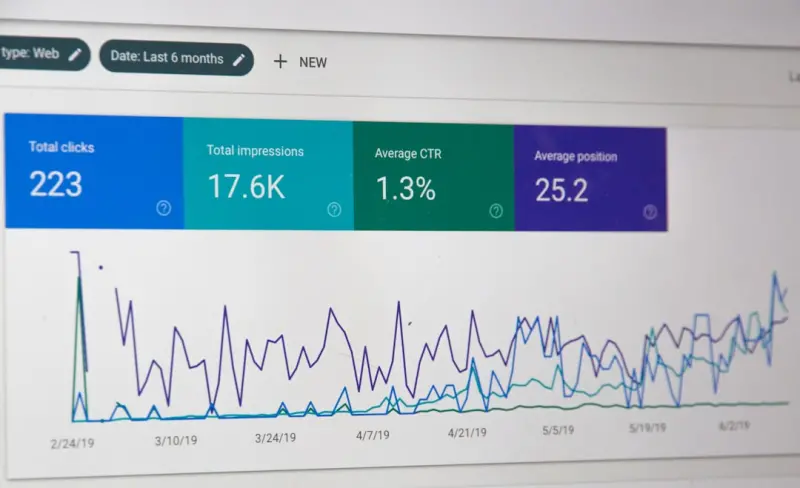
Turning Product Usage Data into a Predictive SEO Engine
Learn how to transform internal search queries, feature adoption metrics, and support tickets into a... Read More

Unlocking the Power of Visual Search: A Modern SEO Playbook
Discover a step‑by‑step visual SEO strategy that blends image optimization, structured data, and... Read More
Crafting an SEO Narrative: From Intent Clusters to Storytelling Success
Discover a fresh SEO strategy that treats keywords as characters, intent clusters as plots, and inte... Read More
Top Posts

Beyond Listings: How AI-Driven Hyperlocal Strategies Redefine Local SEO
Learn how AI, enriched schema, and community partnerships can transform traditional local SEO into a hyperlocal growth engine that captures voice, visual, and r...Read More
Semantic SEO Playbook: Entities that Drive SaaS Rankings
A step‑by‑step guide to semantic SEO for SaaS, showing how to create entity‑rich content hubs, leverage structured data, and measure success beyond tradit...Read More

The Link Lab: Turning Interactive Tools into Authority-Boosting Backlinks
Interactive calculators, benchmarks, and visualizations can become powerful link‑building assets. This guide shows how to design, distribute, and scale such t...Read More

The Evolution of Technical SEO: Navigating the Ever-Changing Landscape
The world of technical SEO is constantly evolving. Learn how to navigate the ever-changing landscape and optimize your website for better online visibility with...Read More
0 Comments
Post Comment
You will need to Login or Register to comment on this post!