

Why Voice Search Is Rewriting the Local Playbook
When consumers start their day by asking their phones “Where’s the best coffee near me?” the entire SEO conversation shifts from typed keywords to conversational intent, and that shift is nothing short of a seismic change for local businesses that once relied on static citations and directory listings. Voice‑first local SEO demands that every piece of location‑specific content be framed as an answer a human would give in a natural dialogue, which means re‑thinking titles, meta descriptions, and even the way you phrase your service descriptions to mirror the cadence of spoken language. The ripple effect reaches every layer of the digital stack—from schema markup to mobile page load speed—forcing marketers to adopt a holistic, intent‑driven mindset that treats a spoken query as a miniature sales pitch delivered in real time.
Decoding the Conversational Intent Behind Local Voice Queries
Unlike the terse, often fragmented strings that dominate traditional keyword research, voice queries are full sentences packed with context, location signals, and often an implicit “now” that signals urgency; a search for “nearby plumbers open now” tells Google not only what service is needed but also when, where, and even the likely price sensitivity of the asker. To capture that nuance, you must build a taxonomy of conversational phrases that map directly to the specific problems your target audience vocalizes, then embed those phrases naturally in your website copy, FAQ sections, and blog posts so that Google can surface your content as the most relevant spoken answer. By aligning your content architecture with the mental models users employ when they speak, you create a semantic bridge that turns casual voice interactions into high‑intent traffic that is far more likely to convert on the spot.
Supercharging Your Google Business Profile for Voice Discovery
The single most powerful asset in a voice‑centric local strategy is a fully optimized Google Business Profile (GBP), because Google pulls its spoken answers straight from the data it trusts most about a business, and that data lives in your GBP. Start by ensuring that every field—business name, address, phone number, and especially the “Description” box—contains the natural‑language phrases you identified in your conversational taxonomy, but avoid keyword stuffing; the goal is to sound like a helpful neighbor rather than a sales robot. Next, leverage the “Questions & Answers” feature to seed common voice‑style queries and provide concise, spoken‑friendly answers, and don’t forget to upload high‑resolution photos with descriptive alt‑text that includes location cues, because visual cues also influence the algorithm that decides which local business to read out loud. Regularly monitor the “Insights” tab for spikes in “Searches that include “near me”” and adjust your wording accordingly to stay ahead of evolving voice patterns.
Schema Markup: The Technical Backbone of Local Voice Answers
While a polished GBP is the public face, search engines rely heavily on structured data hidden in the HTML to verify and enrich the information they deliver to voice assistants, making schema markup an indispensable tool for any local SEO arsenal focused on voice. Implement the LocalBusiness type with detailed properties such as address, geo, openingHours, and priceRange, and pair it with the newer Speakable specification that tells Google exactly which sections of your page are safe to read aloud, dramatically increasing the odds that your content will be selected for a voice response. Don’t overlook the power of FAQPage and HowTo schemas, which allow you to present step‑by‑step guidance that voice assistants can surface directly, turning a simple “How do I book a haircut in downtown?” into a conversational flow that ends with a click‑to‑call button embedded in the spoken answer. For a deeper dive into how structured data fuels future‑proof SEO, see Semantic Topic Mapping.
Speed, Mobile, and the Edge: Technical Foundations for Voice Readiness
Voice assistants expect instantaneous answers, and any delay in page load time translates into a missed opportunity, especially on mobile devices where most voice searches originate; this makes page speed not just a ranking factor but a conversion imperative for local businesses. Adopt a mobile‑first design philosophy that leverages lazy loading for images, minifies CSS and JavaScript, and serves critical resources from edge locations via a CDN, ensuring that the moment a user says “Find me a bakery that delivers,” the server can deliver the relevant page in under two seconds. Consider implementing AMP (Accelerated Mobile Pages) for high‑traffic landing pages that answer the most common voice queries—AMP’s stripped‑down markup guarantees blazing speed and a higher likelihood of being selected for the coveted “spoken snippet” slot. Finally, regularly audit your Core Web Vitals with tools like PageSpeed Insights, and treat any “poor” rating as a red flag that could be throttling your voice visibility in the local SERP.
Community‑Driven Content: Harnessing Local Q&A Platforms for Voice Authority
Beyond the traditional website, search engines now scrape community‑driven platforms such as Nextdoor, Reddit, and niche forums to validate the authenticity of local businesses, and those platforms are fertile ground for voice‑friendly content that can be lifted straight into a spoken answer. Start by identifying the most active local sub‑communities where residents discuss services you offer, then contribute concise, helpful replies that include the exact phrasing users employ when they speak to their devices, always linking back to a dedicated landing page that expands on the answer with rich schema markup. This strategy not only builds backlinks from trusted community sites but also feeds Google’s knowledge graph with real‑world, user‑generated validation that boosts your chances of being featured in voice results. To master the technical side of crawling and indexing that can amplify this community signal, refer to Crawl Budget Mastery.
Measuring Voice Impact: Metrics That Reveal the Real ROI of Local Voice SEO
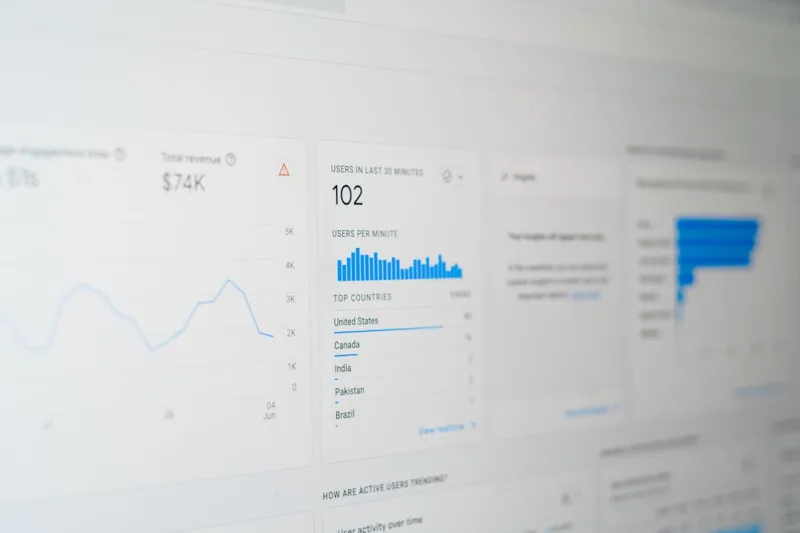
Traditional organic traffic reports don’t capture the nuance of voice‑driven engagements, so you need a tailored measurement framework that tracks “voice impressions,” “click‑to‑call conversions,” and “local pack elevation” over time; Google Search Console’s “Performance” report now includes a “Queries with ‘near me’” filter that can be cross‑referenced with your call‑tracking system to reveal how many inbound phone inquiries stem directly from spoken searches. Pair this data with Google My Business Insights, focusing on the “Direct calls” and “Direction requests” metrics, which are the most reliable proxies for voice‑originated intent, and set up automated alerts for sudden spikes or drops that may indicate algorithmic changes or seasonal shifts in user behavior. By visualizing these metrics in a unified dashboard, you can demonstrate to stakeholders the tangible lift in foot traffic and revenue that a well‑executed voice‑first local SEO strategy delivers, turning what once seemed like a speculative experiment into a quantifiable growth engine.
Action Plan: Turning Voice‑First Insights into Daily Wins
Start by conducting a voice‑search audit of your top‑performing local keywords, expanding each into a conversational phrase list, then weave those phrases into your GBP, website copy, FAQ sections, and schema markup, ensuring that every public touchpoint speaks the same language as the user’s voice assistant. Next, upgrade your site’s technical foundation—compress images, enable HTTP/2, and deploy edge caching—to guarantee sub‑two‑second load times on mobile, because speed is the silent gatekeeper of voice visibility. Finally, commit to a weekly community engagement routine on local forums, answering real questions with spoken‑friendly phrasing and linking back to schema‑rich landing pages, while continuously monitoring voice‑specific metrics in Search Console and GBP Insights to iterate and refine your approach. In a landscape where “near me” is becoming a default suffix, businesses that master the art of conversational relevance will not only dominate the local pack but also become the first name that pops out of a user’s smart speaker, turning ambient queries into foot‑traffic pipelines.

Craig Brett is a freelancer with a passion for the outdoors. His love for nature inspires his work, bringing authentic and engaging perspectives to projects related to outdoor activities, adventure, and environmental topics.
Related Posts
Why Local SEO is More Important Than Ever for Small Businesses
Local SEO is more important than ever for small businesses. Learn how to optimize your online presen... Read More

Local SEO in 2024: Shawn DesRochers’ Playbook for Dominating Your Neighborhood
Shawn DesRochers reveals the 2024 local SEO playbook, from Google Business Profile hacks to hyper‑... Read More

Why Empathy is the New Engine Behind Local SEO Success
Learn why blending human empathy with technical SEO tactics is the secret to dominating local search... Read More
Top Posts

Zero‑Click Search: How to Capture the Featured Snippet and Answer Box
Zero‑click search is reshaping how we win clicks. This guide reveals proven tactics to earn featured snippets and answer boxes, turning invisible queries into...Read More

Predictive Social Calendars: Data‑Driven Timing for B2B SaaS
Discover a step‑by‑step framework for building a predictive social calendar that aligns content pillars with optimal posting times, integrates real‑time t...Read More

The Empathy Playbook: Turning Social Conversation Into Real Growth
Learn how an empathy‑first mindset turns everyday social chatter into powerful growth, authority, and lasting brand loyalty....Read More

Data‑First Link Building: Turning SaaS Insights Into Authority Backlinks
Discover a data‑driven link building framework that leverages proprietary SaaS insights to earn high‑quality backlinks, enhance brand authority, and drive m...Read More
0 Comments
Post Comment
You will need to Login or Register to comment on this post!