
Why Structured Data Is the Missing Link in Your Google SEO Strategy
When I first started optimizing for Google, I treated the SERP like a static billboard—place the right keywords, get the right clicks. Fast‑forward to today, and the search landscape looks more like a dynamic, AI‑driven conversation. Google’s algorithms now understand context, intent, and even the subtle nuances of a query. Yet, there’s one tool that many B2B SaaS marketers still overlook: structured data.
Think of structured data as the lingua franca between your website and Google’s brain. By annotating your HTML with schema.org vocabularies, you hand the search engine a well‑organized, machine‑readable map of what your content really means. The result? Rich results, enhanced snippets, and, most importantly, a higher probability of appearing in the coveted zero‑click space.
From Plain Text to Rich Results: What Changes?
When you sprinkle the right JSON‑LD snippets onto a page, Google can surface:
- FAQ blocks that answer common buyer questions directly on the SERP.
- How‑to guides that break down complex processes into step‑by‑step lists.
- Product cards with price, availability, and review ratings.
- Event schemas that showcase upcoming webinars or product launches.
- Software Application schema that highlights versioning, operating system compatibility, and licensing.
Each of these formats is a miniature ad for your brand, visible before a user ever clicks “Visit site.” For SaaS companies that battle long sales cycles, that early brand exposure can be the decisive nudge that moves a prospect further down the funnel.
The Business Case: How Structured Data Impacts the Bottom Line
Recent studies show that pages with rich results enjoy up to 30% higher click‑through rates compared to standard listings. For B2B SaaS, where each lead can be worth thousands of dollars, the incremental traffic translates directly into revenue.
Moreover, structured data feeds Google’s Knowledge Graph, reinforcing the Entity‑First SEO approach that I’ve championed in other writings. When Google can confidently associate your brand with specific entities—like “cloud‑based CRM” or “AI‑powered analytics”—it’s more likely to surface you when a buyer’s intent aligns with those concepts.
And let’s not forget the Zero‑Click SERP phenomenon. As featured snippets dominate the top of the page, the traditional “rank #1” becomes less relevant. Instead, the goal shifts to owning the answer, no matter where it appears.
Schema Types Every SaaS Marketer Should Prioritize
Below is a curated list of schema.org types that deliver the most ROI for SaaS businesses. Implement them strategically, and you’ll start seeing those rich snippets appear within weeks.
- SoftwareApplication: Ideal for product pages. Include name, operatingSystem, version, and offers (price, currency).
- FAQPage: Turn your most searched support questions into on‑SERP FAQs.
- HowTo: Break down onboarding steps, feature tutorials, or migration guides.
- Product: Use for tiered pricing tables, especially when you have multiple subscription plans.
- WebPage with breadcrumb schema: Enhances navigation signals and helps Google understand site hierarchy.
- Event: Promote webinars, live demos, or virtual conferences directly in search.
- Review and AggregateRating: Highlight customer testimonials and third‑party reviews.
Implementation Checklist: From Theory to Code
Getting schema right isn’t about copy‑pasting a giant JSON block and hoping for the best. Follow this systematic approach:
- Audit existing content. Identify pages that naturally fit a schema type—product pages, blog posts that answer FAQs, tutorial guides, etc.
- Map schema properties. For each page, list the data points you have (price, version, author, rating) and match them to schema.org fields.
- Choose a format. Google recommends JSON‑LD for its simplicity and separation from HTML markup.
- Validate with Rich Results Test. Paste your code into Google’s tool to catch syntax errors before publishing.
- Deploy via a CMS plugin or tag manager. Most modern CMS platforms (WordPress, HubSpot, Contentful) have schema plugins that automate injection.
- Monitor in Search Console. The “Enhancements” report surfaces any issues and shows impressions for each rich result type.
- Iterate. As you add new features or products, update the corresponding schema to keep the data fresh.
Measuring Success: Metrics That Matter
Once your structured data is live, the next step is proving its impact. Here are the key KPIs to watch:
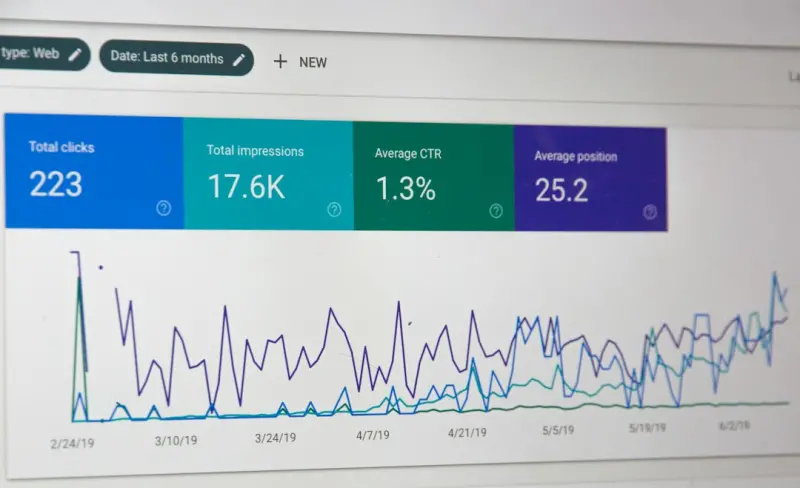
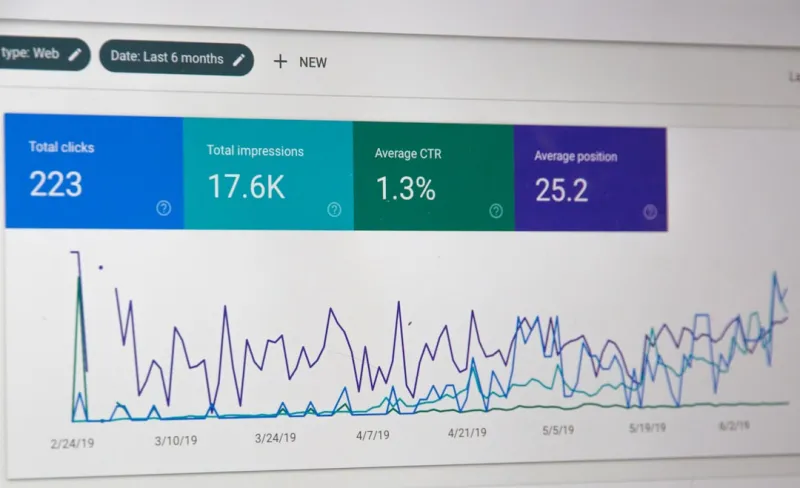
- Impression Share in Rich Results: Search Console now breaks out “Rich Result” impressions. A rising trend indicates Google is pulling your snippets.
- CTR lift: Compare click‑through rates before and after schema implementation on a per‑page basis.
- Organic Traffic to Target Pages: Look for spikes in sessions that correlate with the rollout dates.
- Lead Conversion Rate: For SaaS, the ultimate test is whether richer SERP visibility translates into more qualified sign‑ups.
Remember, structured data is a signal—not a guarantee. It works best when combined with solid intent‑first SEO fundamentals: high‑quality content, logical site architecture, and fast page performance.
Common Pitfalls and How to Avoid Them
Even seasoned SEO pros trip up on a few recurring mistakes. Below are the most frequent, plus quick fixes.
- Over‑optimizing with irrelevant schema: Adding a “Recipe” schema to a pricing page will get flagged as spam. Stick to schemas that truly describe the content.
- Missing required properties: Google will ignore a snippet if essential fields (e.g., “price” for Product schema) are absent. Use the Rich Results Test to confirm completeness.
- Hard‑coding data: If you manually insert version numbers or prices, you’ll soon have outdated information. Pull data dynamically from your product database wherever possible.
- Neglecting mobile: Structured data is device‑agnostic, but the surrounding page experience still matters. Ensure your pages pass Core Web Vitals on mobile.
- Ignoring updates: Schema.org evolves regularly. Set a quarterly reminder to review new types that could benefit your SaaS niche.
Future‑Proofing: Structured Data in the Age of Generative Search
Google’s Search Generative Experience (SGE) is already reshaping how answers are presented. While we don’t have all the details yet, early signals suggest that well‑structured, factual data will be the foundation for AI‑generated snippets. In other words, the more precise and machine‑readable your content, the more likely it will be quoted verbatim in generative answers.
Investing in schema today is essentially future‑proofing your SEO assets. When Google’s next‑gen model asks “What does the pricing model for X SaaS look like?” it will crawl your structured data first, not your blog copy. That’s a powerful advantage.
Putting It All Together: A 30‑Day Action Plan
Below is a pragmatic roadmap you can adopt, whether you’re a solo marketer or part of a larger SEO team.
- Week 1 – Content Audit: Use Screaming Frog or Sitebulb to export a list of all product, pricing, and educational pages.
- Week 2 – Schema Mapping: For each page, assign one primary schema type and document required vs. optional fields.
- Week 3 – Implementation: Deploy JSON‑LD via your CMS. Test each page in the Rich Results Test and fix any errors.
- Week 4 – Monitoring & Optimization: Set up alerts in Search Console for schema errors. Track CTR and impression changes. Begin A/B testing different FAQ questions or how‑to steps to see which yields the best SERP performance.
By the end of the month, you should have a solid foundation of structured data across your most critical pages, ready to feed Google’s evolving AI engines.
Final Thoughts: Structured Data as a Competitive Moat
In the crowded SaaS marketplace, standing out on Google isn’t just about backlinks or keyword density. It’s about speaking the language that Google’s AI understands natively. Structured data does exactly that—turning raw HTML into a rich, semantic knowledge base that Google can surface in the most prominent SERP real estate.
If you’ve been waiting for a signal that “rich snippets matter,” consider this your green light. Pair schema with a robust intent‑first strategy, keep your technical SEO tidy, and watch Google reward you with visibility that drives qualified leads without any extra ad spend.
Happy tagging, and may your SERPs be ever rich.

William Roy is a freelance writer originally from Montreal who moved to Ottawa with his wife of 50 years to be closer to their grandkids. Alongside his writing, William has a passion for fishing.
Related Posts
The Evolution of Google SEO: How to Stay Ahead in the Game
The world of Google SEO is constantly evolving. Stay ahead of the curve with expert insights on the ... Read More

The Evolution of Google SEO: Staying Ahead in a Rapidly Changing Landscape
The Google SERPs are evolving rapidly, and staying ahead requires a deep understanding of the latest... Read More

How Semantic Topic Mapping Can Future‑Proof Your Google SEO
Discover a fresh SEO approach: using semantic topic maps to align content with user intent, enhance ... Read More
Top Posts

Predictive SEO: How SaaS Leaders Can Stay One Step Ahead of Search
Predictive SEO transforms the traditional reactive approach into a forward‑looking strategy, allowing SaaS firms to anticipate search trends, synchronize cont...Read More

Unlocking Hyper‑Local Authority: How Micro‑Event Sponsorship Supercharges Your Local SEO
Learn why micro‑event sponsorship is the secret weapon for local SEO, turning community involvement into fresh rankings, reviews, and authority....Read More

The Evolution of Digital Marketing in 2024: Navigating the Shifting Landscape
The digital marketing landscape is evolving rapidly in 2024. Learn about the latest trends and strategies in sustainable ecommerce, social media marketing, SEO,...Read More

Beyond Speed: Harnessing Edge Rendering and Structured Data for SaaS SEO
Edge rendering transforms how search engines see JavaScript‑heavy SaaS sites by delivering pre‑rendered HTML and dynamic schema at the CDN edge. This post w...Read More
0 Comments
Post Comment
You will need to Login or Register to comment on this post!