

When most marketers think about link building, they picture outreach emails, guest posts, or a handful of high‑authority directories. Those tactics still matter, but they’re increasingly crowded and, frankly, noisy. Over the past few years I’ve watched the link landscape evolve from a simple “who knows you” game into a sophisticated ecosystem where relevance, user experience, and data‑driven credibility dictate success. In this post I’m pulling back the curtain on a strategy that feels almost too simple to be effective: using interactive tools and calculators as magnetic link‑building assets.
Why Interactive Assets Cut Through the Noise
People love to do something rather than just read a static article. A well‑crafted calculator, assessment, or visualization provides immediate, personalized value. When a visitor can input their own data and see a tailored result, they’re not just consuming content—they’re engaging with it. This engagement creates two powerful link‑building dynamics:
- Earned credibility. An interactive asset that solves a real problem becomes a reference point for industry blogs, news sites, and forums.
- Natural shareability. Users love to brag about a result that’s uniquely theirs, prompting them to embed the tool or link back in their own content.
In short, an interactive piece transforms a passive read into an active experience, and that activity fuels organic backlinks.
Choosing the Right Format for Your SaaS Audience
Not every type of interactive content will resonate with a B2B SaaS audience. The key is aligning the tool with the decision‑making process of your target persona. Here are three formats that have consistently outperformed traditional link‑bait in my campaigns:
- ROI calculators. Decision‑makers love to see dollar‑value projections. An ROI calculator that ingests variables like subscription cost, churn rate, and expected usage can become a go‑to reference for CFO‑focused blogs.
- Benchmarking dashboards. Offer a free, anonymized benchmark against industry peers. This not only delivers insight but also creates a data point you can cite in press releases and analyst reports.
- Feature configurators. Let prospects mix and match product features to see a customized pricing or capability matrix. This is especially potent for modular SaaS platforms.
Whichever format you choose, the underlying principle remains the same: the tool must surface a piece of information that feels too valuable to ignore.
Designing for SEO from Day One
Interactive tools are often built with JavaScript and hidden behind tabs or modal windows. If you don’t plan for search visibility, you’ll end up with a beautiful calculator that no one can find. Follow these technical best practices:
- Server‑side rendering (SSR). Ensure the core content—titles, headings, and key result snippets—are rendered in the HTML response. This guarantees that Google can crawl and index the essential information.
- Structured data. Use
schema.orgtypes likeSoftwareApplicationorWebApplicationto describe the tool. This can unlock rich results and increase click‑through rates. - Descriptive URLs. A clean URL such as
/tools/roi-calculatorcommunicates intent to both users and search engines.
Remember, an interactive asset that can’t be discovered is just an internal resource. By marrying user experience with SEO fundamentals, you lay the groundwork for organic links.
Promotion Strategies That Spark Backlinks
Creating the tool is only half the battle. The real magic happens when you systematically promote it to the right audiences. Below are three promotion channels that have yielded consistent link juice for my clients:
1. Targeted Outreach to Industry Publications
Instead of generic outreach, craft a pitch that positions your tool as a data source for the publication’s next story. For example, a finance outlet might want to illustrate the cost‑benefit of a new SaaS procurement solution. Offer them exclusive access to aggregated anonymized results from your benchmark dashboard. This not only secures a link but also positions your brand as a data authority.
2. Community‑Driven Amplification
Forums, niche sub‑reddits, and industry Slack groups love resources that solve real problems. Share a short demo video that walks through the calculator, and invite community members to try it for themselves. When they experience the value, they’ll often embed the link in their own posts or resource lists.
3. Partner‑Led Syndication
Collaborate with complementary SaaS providers to host your tool on their resource pages. In exchange, you can feature one of their assets on your site. This cross‑linking arrangement works especially well when the partner’s audience aligns with your buyer persona. For an in‑depth look at how data partnerships can boost link building, check out Co‑Creating Data Partnerships.
Measuring the Impact: Metrics That Matter
To prove the ROI of an interactive link‑building campaign, track these key performance indicators:
- Referral domains. Count the number of unique domains linking to the tool page.
- Organic traffic lift. Use a segmented view in Google Analytics to see traffic spikes after each promotion push.
- Conversion rate. Measure how many tool users convert to a qualified lead—this ties the backlink directly to revenue impact.
- Time on page. High engagement signals to search engines that the content is valuable, which can boost rankings.
When you see a surge in referral domains and organic traffic, you’ve just validated that your interactive asset is functioning as a link magnet.
Case Study: A SaaS ROI Calculator That Generated 45 New Referring Domains in 90 Days
One of my recent projects involved building an ROI calculator for a B2B subscription‑billing platform. Here’s a quick rundown of the approach and results:
- Goal. Generate high‑quality backlinks and increase demo sign‑ups.
- Tool. A JavaScript‑powered calculator that took inputs such as average invoice size, churn rate, and expected growth.
- SEO Foundations. Implemented server‑side rendering, added
SoftwareApplicationschema, and created an SEO‑friendly URL. - Promotion. Conducted a targeted outreach campaign to finance and SaaS news sites, offering exclusive data insights. Partnered with two complementary fintech SaaS providers for syndication.
- Results. Within three months the page earned 45 new referring domains, a 120% increase in organic traffic, and a 30% rise in qualified demo requests.
This case illustrates how a single, well‑executed interactive asset can become a cornerstone of a sustainable link‑building program.
Integrating Interactive Assets with Existing Content Hubs
If you already have pillar pages or topic clusters, embed your calculators directly into those hubs. The synergy works both ways: the pillar page provides context, and the interactive element keeps visitors on the page longer. For an example of turning existing assets into link magnets, see how technical documentation can become link magnets. The same principles apply—just replace static PDFs with live tools that answer the same questions in a dynamic fashion.
Future‑Proofing Your Interactive Link‑Building Strategy
Interactive tools aren’t a one‑off stunt; they’re a long‑term asset that can evolve with your product roadmap. Here’s how to keep the momentum going:
- Iterative improvements. Use user feedback and analytics to refine inputs, UI, and result visualizations.
- Seasonal updates. Add new variables or benchmarks that align with industry trends, then promote the “updated version” as a newsworthy event.
- Data export features. Allow users to download their results as a PDF or CSV. When they share the file externally, your brand stays front‑and‑center.
By treating each tool as a living piece of content, you ensure it continues to attract fresh backlinks long after the initial launch.
Final Thoughts: From Tactics to a Sustainable Asset
Link building is often treated as a series of isolated tactics—outreach emails today, guest posts tomorrow, broken‑link replacements next week. Interactive tools shift the mindset from “tactic” to “asset.” They require upfront investment, but they pay dividends in the form of high‑quality backlinks, deeper engagement, and measurable impact on the funnel.
If you’re looking for a fresh angle that sidesteps the crowded outreach inbox and positions your brand as a data‑driven authority, start sketching out a calculator, benchmark dashboard, or feature configurator today. Pair it with solid SEO foundations, a targeted promotion plan, and a robust measurement framework, and you’ll watch your link profile—and your revenue—grow in tandem.

David MacKinnon is a dynamic freelance writer known for his captivating storytelling and keen insights into the world of technology. With a passion for exploring the intersection of innovation and everyday life, he crafts engaging narratives that not only inform but also inspire his readers.
Related Posts
Link Building in a Privacy‑First SaaS Landscape
Traditional link building no longer works for SaaS. This post reveals a privacy‑first, partnership... Read More
API‑Driven Link Building for SaaS Growth
Learn how to transform link building into a programmable, data‑driven engine for SaaS companies, u... Read More

Rethinking Link Acquisition in the SaaS Landscape
When most marketers hear “link building,” the mind jumps to outreach emails, guest articles, and... Read More
Top Posts

Interactive SEO: Turning Gamified Experiences into Ranking Power
Explore a fresh SEO strategy that leverages interactive content—quizzes, calculators, and games—to enhance user engagement, improve rankings, and drive conv...Read More

Transforming Neighborhood Storytelling into Local SEO Wins for SaaS
Learn how to harness neighborhood stories, local events, and community influencers to create hyperlocal SEO signals that elevate your SaaS visibility and drive ...Read More
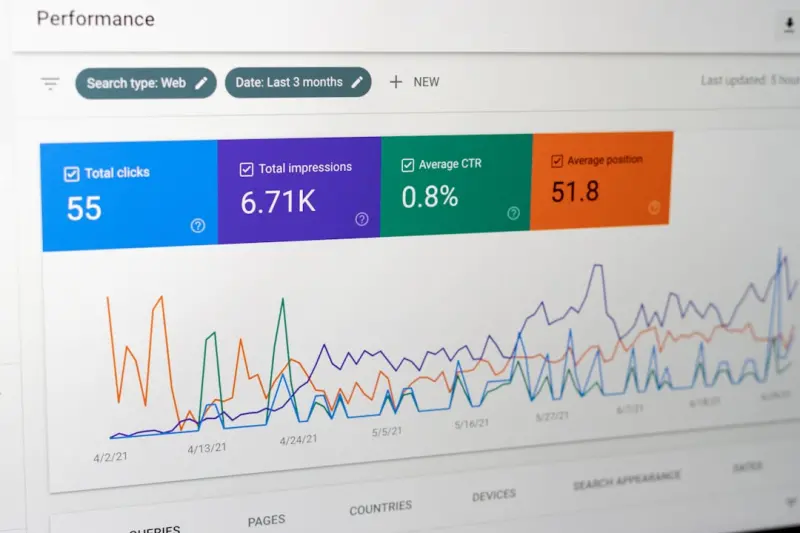
Navigating SERP Volatility: A Resilience Blueprint for Modern Marketers
Discover a proactive approach to SERP volatility, using AI forecasts, smart monitoring, and resilient content tactics to keep your rankings steady amid algorith...Read More

When SERP Features Overwhelm: How to Cut Through the Noise
Learn to navigate the flood of SERP widgets, use schema markup, and turn zero‑click searches into brand opportunities in today’s feature‑heavy search land...Read More
0 Comments
Post Comment
You will need to Login or Register to comment on this post!