

Why “Intent‑First” Beats “Keyword‑First” in Modern SaaS SEO
When I first stepped into the SEO arena, the rulebook was simple: find the right keywords, sprinkle them everywhere, and watch the traffic climb. Fast forward a few years, and the landscape looks nothing like that. Search engines have become conversational partners, users are multitasking across devices, and the line between discovery and decision is blurring. In the B2B SaaS world, where the buyer’s journey is long and complex, clinging to a keyword‑centric mindset is not just outdated—it’s risky.
In this post I’m pulling back the curtain on an intent‑first SEO strategy that has helped my clients turn passive browsers into engaged prospects without obsessing over keyword density. We’ll unpack the why, the how, and the tools you can deploy today, and I’ll pepper in a couple of internal resources that have shaped my approach.
The Shift from Keywords to Intent
Search engines have evolved from matching strings to understanding meaning. Google’s algorithm updates over the past few years have reinforced the importance of user intent—whether it’s informational, navigational, transactional, or commercial investigation. In the SaaS space, a prospect might start with a vague query like “how to reduce churn” and end up comparing three different platforms before signing up for a free trial.
When you optimize for intent, you’re aligning your content with the stage of the buyer’s journey, not just the search term. This shift unlocks two major benefits:
- Higher relevance. Search engines reward pages that satisfy the underlying need, leading to better rankings and lower bounce rates.
- Improved conversion pathways. By mapping intent to the funnel, you guide prospects from awareness to evaluation to decision with less friction.
Mapping Intent Across the SaaS Funnel
Let’s break down the typical SaaS buyer’s journey and the intent signals that accompany each stage.
- Awareness (Informational Intent). Prospects are diagnosing a problem. Queries often include “what is churn,” “best ways to onboard new users,” or “how to improve product adoption.” Content that works here: blog posts, guides, industry benchmarks.
- Consideration (Commercial Investigation Intent). The buyer is comparing solutions. Searches become more specific: “SaaS churn reduction platform,” “customer success software pricing,” “case studies on onboarding automation.” Content that works: comparison matrices, feature deep‑dives, webinars.
- Decision (Transactional Intent). The prospect is ready to purchase. Queries such as “demo SaaS churn tool,” “free trial customer success software,” or “enterprise pricing for onboarding platform” dominate. Content that works: product pages, free‑trial sign‑ups, ROI calculators.
By tagging each piece of content with the intent stage it serves, you create a logical internal linking architecture that guides users (and crawlers) through the funnel.
Building an Intent‑First Keyword Map
Don’t throw away keyword research—it’s still a foundational layer. What changes is how you organize those keywords.
- Cluster by intent. Instead of a flat list, group keywords into intent buckets. For example, “reduce churn” and “customer churn metrics” belong in the informational cluster, while “churn reduction SaaS” lands in commercial investigation.
- Prioritize search volume vs. intent strength. A high‑volume keyword with weak intent (e.g., “software”) isn’t valuable. Focus on keywords that signal a buying mindset, even if the volume is modest.
- Map to content types. Align each cluster with a specific format—blog post, case study, landing page, demo request form.
This approach ensures that you’re not just chasing traffic, but attracting the right traffic.
Technical Foundations: Schema, Structured Data, and SERP Features
When you think about intent, think about how search results can answer the user before they even click. That’s where structured data comes in. By implementing the right schema markup, you give Google the context it needs to surface your content in rich results—FAQ snippets, how‑to cards, product reviews, and more.
Here’s a quick checklist:
- FAQ schema. Turn a comprehensive “how to reduce churn” guide into a list of Q&A that can appear directly in SERPs.
- How‑to schema. Ideal for step‑by‑step tutorials that match informational intent.
- Product schema. For SaaS features, include
offersandaggregateRatingto capture commercial and transactional signals. - Review schema. Showcase client testimonials and case‑study results to boost credibility.
These enhancements not only improve click‑through rates but also align with the Zero‑Click SERP Strategies: Turning Visibility into Leads playbook you might already be familiar with.
Content Creation: The Intent‑First Framework
Now that you have the map, let’s talk about the actual content creation process.
1. Intent Briefs Over Keyword Briefs
Every piece of content should start with an Intent Brief that answers three questions:
- What problem is the user trying to solve?
- What stage of the funnel are they in?
- What action do we want them to take after reading?
From there, you can sprinkle in the keyword clusters that naturally fit the narrative.
2. Layered Content Architecture
Think of each pillar page as a hub for a specific intent. For example, a pillar on “Customer Success Automation” could have the following layers:
- Top‑level informational guide (blog post) targeting broad queries.
- Mid‑level case study (PDF download) targeting commercial investigation.
- Bottom‑level product demo page (CTA) targeting transactional intent.
This tiered approach mirrors the user’s mental model and encourages deeper engagement.
3. Interactive Assets as Intent Amplifiers
Static copy is great, but interactive assets—calculators, assessment tools, quizzes—create a two‑way conversation. They also generate high‑quality backlinks because people love to embed useful tools. I’ve seen Interactive Assets: The Secret Sauce for Sustainable Link Building become a turning point for many SaaS brands looking to boost domain authority while delivering value.
Measuring Success: Intent‑Centric KPIs
If you shift the optimization focus, you need to shift the metrics too. Here are the KPIs that matter most in an intent‑first strategy:
- Intent‑Specific Organic Traffic. Track sessions by landing page intent tags (you can use a custom dimension in Google Analytics).
- Engagement Depth. Time on page, scroll depth, and interaction with embedded tools indicate content relevance.
- Conversion Path Length. Shorter paths from organic entry to trial sign‑up suggest stronger intent alignment.
- SERP Feature Visibility. Monitor impressions for FAQ, How‑To, and Product schema.
When you see improvements across these metrics, you know the intent‑first approach is paying off.
Common Pitfalls and How to Avoid Them
Switching to an intent‑first mindset can be challenging. Here are the traps I’ve watched teams fall into:
- Over‑optimizing for a single keyword. This creates thin content that satisfies the algorithm but not the user. Instead, aim for a broader intent coverage.
- Neglecting the technical side. Structured data, fast page speed, and mobile‑first design are non‑negotiable for SERP features.
- Ignoring internal linking. A well‑structured link hierarchy reinforces intent signals to both users and crawlers.
- Failing to iterate. Intent evolves with market trends. Conduct quarterly intent audits to refresh clusters and content gaps.
Toolbox: How to Execute the Intent‑First Strategy
Below is a curated list of tools that make intent mapping and execution smoother:
- AnswerThePublic & AlsoAsked. Great for surfacing question‑based queries that reveal intent.
- SEMrush Topic Research. Provides a visual map of related subtopics and intent clusters.
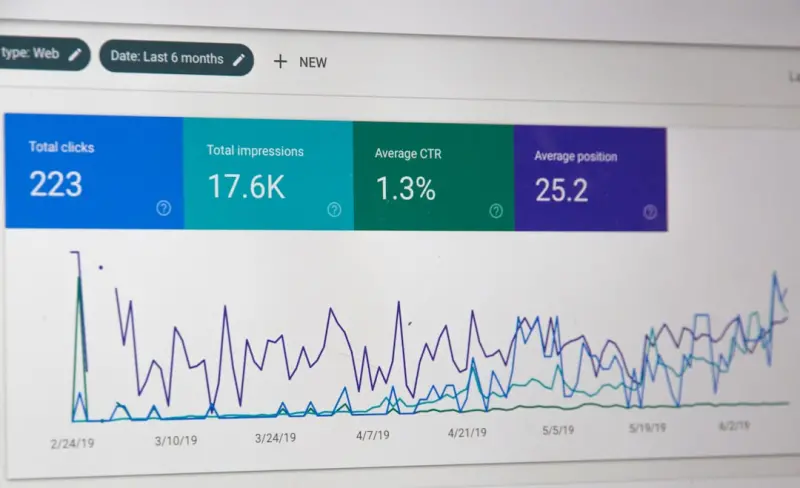
- Google Search Console – Performance Report. Use the “Queries” tab to see which intents already drive clicks.
- Schema.org Generator (Merkle’s tool). Quickly create markup for FAQ, How‑To, and Product schemas.
- Hotjar / FullStory. Heatmaps and session recordings help validate whether the content satisfies user intent.
Case Study: Turning Intent Into Revenue
One of my recent SaaS clients—an employee engagement platform—was stuck at the consideration stage. Their organic traffic was healthy, but conversion rates from blog to trial were under 2%.
We applied an intent‑first overhaul:
- Created an intent map that identified “employee engagement metrics” as a high‑value informational query.
- Developed a pillar page with an embedded Engagement ROI Calculator that answered commercial investigation questions.
- Implemented FAQ schema covering “how to measure employee engagement ROI.”
- Built internal links from the blog post “Top 10 Employee Engagement KPIs” to the calculator and the product demo page.
Results after three months:
- Organic sessions increased by 27%.
- Time on page for the pillar rose to 4 minutes (up from 1:45).
- Free‑trial sign‑ups from organic traffic jumped 68%.
That’s the power of aligning intent, content, and technical signals.
Putting It All Together: A 90‑Day Intent‑First Playbook
Ready to roll? Here’s a high‑level roadmap you can follow.
- Week 1‑2: Intent Audit. Use Search Console and keyword tools to cluster existing queries by intent.
- Week 3‑4: Content Gap Analysis. Identify missing intent stages and prioritize topics.
- Week 5‑6: Schema Implementation. Add FAQ, How‑To, and Product markup to high‑potential pages.
- Week 7‑8: Create Intent‑Driven Content. Produce at least two pillar pages, each with layered sub‑content (blog, case study, demo).
- Week 9‑10: Interactive Asset Development. Build one calculator or assessment tool that aligns with a commercial investigation intent.
- Week 11‑12: Internal Linking & Optimization. Connect new assets to existing content, update meta titles to reflect intent, and ensure fast loading speeds.
- Ongoing: Monitoring & Iteration. Track intent‑centric KPIs, refine clusters quarterly, and expand the asset library.
This disciplined, intent‑first sprint can transform your organic presence from a traffic faucet into a qualified lead engine.
Final Thoughts
SEO isn’t dead; it’s simply getting smarter. In the SaaS world, where buyer journeys are multi‑touch and highly nuanced, an intent‑first strategy gives you the clarity to serve the right message at the right moment. By mapping intent, leveraging structured data, and building interactive assets, you’ll not only climb the rankings but also nurture prospects toward conversion—all while future‑proofing your approach against the next algorithmic shift.
Ready to pivot from keyword obsession to intent mastery? Dive into the resources linked throughout this post, start mapping your own intent clusters, and watch your organic funnel become a well‑engineered conversion machine.

Brandy Miller is a dynamic freelance writer based in the vibrant city of Cambridge, Ontario. With a passion for storytelling that knows no bounds, she crafts compelling narratives that captivate and inspire. Brandy’s love for writing shines through in her versatile work, whether she’s penning thought-provoking articles or engaging content that resonates with readers. Her unique perspective and friendly tone make her a sought-after voice in the writing community. When she’s not weaving words together, you can find her exploring the beautiful landscapes of Ontario, always seeking new adventures and inspiration for her next piece. Brandy is not just a writer; she’s a creative force, making her mark one word at a time.
Related Posts
Entity‑Driven SEO: Mapping Topics to Trust and Visibility
Discover the power of entity‑driven SEO: a fresh, structured approach that turns topics into autho... Read More

Mastering 2024 SEO: Rose DesRochers’ Blueprint for Ranking, Authority, and Conversions
Rose DesRochers reveals a 2024 SEO playbook that blends technical health, sustainable link building,... Read More

Micro‑Moment Mastery: An SEO Playbook for Real‑Time User Intent
Discover a fresh SEO playbook that leverages micro‑moments, real‑time data, and modular content ... Read More
Top Posts

Social Media 2024: Paul Gray’s Insider Playbook for Riding the Wave
Paul Gray breaks down 2024’s social media shifts, offering insider tactics on short‑form video, social commerce, and the unexpected boost to local SEO—ess...Read More

How PWAs Supercharge Mobile SEO for SaaS Products
Progressive Web Apps combine speed, offline access, and app‑like experiences, delivering the performance signals Google rewards. Learn a step‑by‑step PWA ...Read More

Revolutionizing Social Strategy: How to Stay Ahead in a Shifting Landscape
Stay ahead of the curve in social media with expert tips and strategies from Nikki McDonald. Learn how to navigate the shifting landscape and drive real results...Read More

Short‑Form Video: A B2B SaaS Playbook for Explosive Social Reach
Short‑form video isn’t just for TikTok; it’s a powerful growth engine for B2B SaaS. Learn a step‑by‑step playbook, production hacks, platform tactics,...Read More
0 Comments
Post Comment
You will need to Login or Register to comment on this post!