
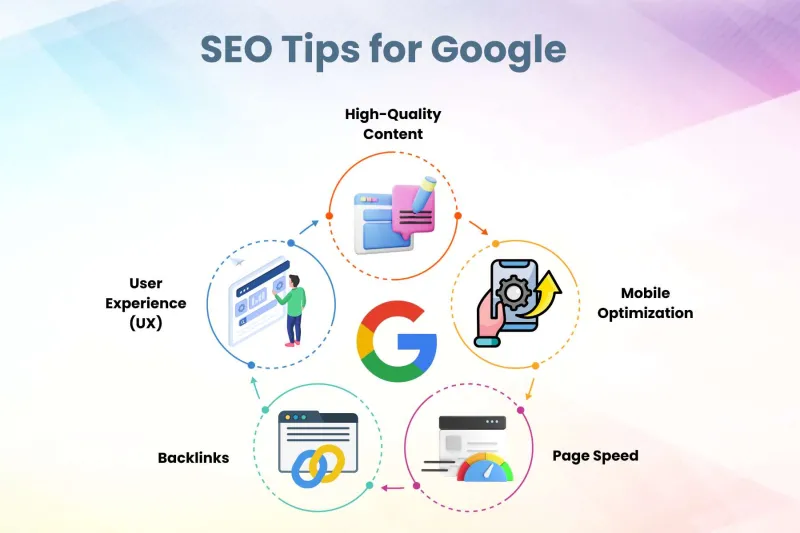
Understanding the Current Google SEO Landscape
The digital landscape is constantly evolving, making Google SEO a moving target for website owners and marketers alike. If you want to rank higher, you must stop chasing algorithms and start focusing on the user. Google’s primary goal is to provide the most relevant and helpful information to its users instantly.
Modern search engine optimization is no longer just about keywords or backlinks. It is about building authority, ensuring technical health, and providing a seamless user experience. By aligning your strategy with Google’s core mission, you can secure sustainable rankings that weather any algorithm update.
Mastering Keyword Research for Intent
Many beginners make the mistake of choosing high-volume keywords without considering the user's intent. You need to understand why someone is typing a specific phrase into the search bar. Are they looking to buy, learn, or find a specific website?
Match your content to the four common intent categories:
- Informational: Users looking for answers or educational content.
- Navigational: Users searching for a specific brand or URL.
- Commercial: Users researching products before making a final decision.
- Transactional: Users ready to complete a purchase or sign-up.
Targeting long-tail keywords often yields better results than fighting for generic head terms. Long-tail phrases are more specific and usually have lower competition, allowing you to establish authority faster. Focus on the questions your audience is asking and provide definitive, clear answers.
Technical SEO: The Foundation of Your Performance
Even the best content will fail if your website is technically broken. Google’s crawlers must be able to index your pages efficiently to understand what your site offers. Start by auditing your site for crawl errors, broken links, and duplicate content issues.
Core Web Vitals have become a significant ranking factor for Google. These metrics measure how users perceive the performance of your web pages. Focus on improving your Largest Contentful Paint, First Input Delay, and Cumulative Layout Shift to ensure your visitors have a snappy experience.
Mobile-First Indexing is the New Standard
Google predominantly uses the mobile version of your content for indexing and ranking. If your mobile site is difficult to navigate or missing elements present on the desktop version, your rankings will suffer. Ensure your design is fully responsive and performs well on handheld devices.
Speed is equally critical in a mobile-first world. Optimize your images, leverage browser caching, and minimize heavy scripts that drag down load times. A fast site is a competitive advantage that directly influences your ability to climb the SERPs.
High-Quality Content That Ranks
Content remains the undisputed king of search engine optimization. However, Google is increasingly rewarding content that demonstrates Expertise, Experience, Authoritativeness, and Trustworthiness, known collectively as E-E-A-T. This means your content should be written by knowledgeable experts who provide real value.
Avoid the trap of fluff or keyword stuffing, as these practices can lead to penalties. Instead, focus on creating long-form, comprehensive guides that solve a specific problem. When users spend more time on your page, it signals to Google that your content is valuable and relevant.
Formatting for Readability
Nobody wants to read a wall of text on a smartphone screen. Use short paragraphs, bullet points, and numbered lists to break up your content into digestible chunks. Use descriptive headings to guide the reader through your article’s logical flow.
Incorporate high-quality images, infographics, and videos to supplement your text. Visual content keeps users engaged and encourages them to share your pages on social media. Always remember to add descriptive alt-text to your images for accessibility and additional SEO context.
Off-Page SEO and Building Authority
Off-page SEO refers to actions taken outside of your own website to impact your rankings. The most prominent factor here is link building. Backlinks act as "votes of confidence" from other websites, signaling to Google that your content is credible and worth ranking.
Not all links are created equal. One high-quality link from an authoritative industry publication is worth more than a hundred low-quality links from spammy sites. Focus on building relationships and creating link-worthy content that naturally attracts mentions from others.
The Role of Social Signals
While social media shares are not a direct ranking factor, they are a powerful distribution tool. When your content goes viral on social platforms, it gains visibility. This increases the chances of other webmasters discovering your work and linking back to it.
Encourage engagement by asking questions in your content and inviting readers to share their opinions. A vibrant community around your blog can boost your brand’s reach. The more people that recognize your brand, the higher the likelihood of branded search volume, which is a strong signal of authority.
Tracking Success and Adjusting Strategy
SEO is not a one-time task; it requires ongoing monitoring and refinement. Use Google Analytics and Google Search Console to track your progress. These tools provide invaluable insights into your organic traffic, keyword performance, and site health.
Look for pages that are losing traffic or failing to rank for target keywords. Analyze the top-ranking competitors for those terms and look for gaps in your own content. Are they providing more detail? Do they have better user experience? Constantly iterate based on the data you see.
Common SEO Myths You Should Ignore
The SEO industry is rife with misinformation that can lead you down the wrong path. Many people believe that adding more pages will automatically boost rankings, but quantity never beats quality. A few excellent, well-optimized pages will outperform dozens of thin, low-effort posts every time.
Another myth is that meta tags are the most important part of SEO. While titles and descriptions are crucial for click-through rates, they are not the primary driver of rankings. Focus your time on creating high-quality content and fixing technical issues instead of obsessing over minor metadata details.
Patience is Your Best Friend
SEO is a marathon, not a sprint. Significant improvements often take months to show in the search results. If you follow best practices and remain consistent, your rankings will grow over time. Avoid "black hat" tactics like buying links or cloaking, as these will eventually get your site penalized.
Google updates its algorithms to catch manipulative practices. Playing by the rules ensures your hard work is protected against future updates. Stick to white-hat techniques that prioritize the user, and you will see the long-term rewards of your efforts.
Advanced Tips for Competitive Niches
If you are operating in a highly competitive niche, you need to go the extra mile. Use internal linking to distribute authority across your site. Link your high-performing pages to newer, relevant content to help them climb the rankings faster.
Optimize your content for Featured Snippets by providing direct, concise answers to common questions at the top of your articles. This can help you occupy "Position Zero," the most coveted spot on the Google search results page.
Leveraging Local SEO
If you have a physical presence or serve a specific geographic area, prioritize Local SEO. Claim and optimize your Google Business Profile to ensure you show up in the "Map Pack." Encourage happy customers to leave reviews, as this directly influences your visibility in local search queries.
Keep your name, address, and phone number consistent across all directory listings and social media profiles. Local SEO is one of the most effective ways to drive qualified traffic that is ready to convert. By focusing on your immediate community, you can build a loyal customer base that supports your overall site growth.
Final Thoughts on Sustainable Growth
Google SEO is fundamentally about providing the best possible answer to the user's query. By keeping the user at the center of your strategy, you minimize the risk of being negatively impacted by future algorithm updates. Prioritize high-quality content, a seamless user experience, and technical excellence.
Stay updated on industry news by following reliable sources. Google changes its algorithms frequently, but the core principles of quality, relevance, and trust remain the same. Continue to learn, test, and adapt your strategies to stay ahead of the curve.
As you implement these tips, remember to be authentic. People connect with brands that offer genuine value and clear expertise. Build your site for humans, and the search engines will eventually follow your lead by rewarding you with higher rankings and consistent, organic traffic growth.
Success in search optimization is about cumulative effort. Each small improvement adds up to a significant impact over time. Stay focused on your goals, track your results, and always look for ways to improve the value you deliver to your audience through your digital presence.

Shawn DesRochers is a certified Microsoft technician and Programmer with 30+ year's experience. He has written many reviews on computer related products, software, and SEO related topics. When he's not writing reviews he can be found at one of the Oldest Directories Online Domain Authority Directory which he is the CEO of.
Related Posts

Real‑Time Indexing with Google’s IndexNow API: A SaaS Playbook
This post details a step‑by‑step guide for SaaS teams to integrate Google’s IndexNow API into ... Read More

The Evolution of Google SEO: How to Stay Ahead in the Game
Google SEO is constantly evolving. Learn how to stay ahead in the game with actionable tips on techn... Read More

Scaling International SEO for SaaS: Multilingual Strategies, Hreflang, and Cultural Localization
International SEO is the missing link in many SaaS growth strategies. This guide walks you through a... Read More
Top Posts

From Guest Spots to Gold: A Fresh Playbook for Link Building
Explore a fresh link‑building playbook that turns speaking gigs, Q&A contributions, virtual events, and data‑driven content into powerful, natural backlinks...Read More

Storytelling for Local SEO: Turning Your Business Profile into a Neighborhood Magnet
Discover a fresh approach to local SEO that treats your Google Business Profile as a living story, integrates hyper‑local content hubs, and harnesses employee...Read More

The Untapped Playbook for Dominating Hyperlocal Search
A deep dive into hyperlocal SEO strategies—from schema markup and community partnerships to voice‑search optimization—offering a step‑by‑step plan to ...Read More

The Unseen Edge: Harnessing Core Web Vitals for SaaS SEO Dominance
This article shows SaaS teams how to turn Core Web Vitals into a powerful SEO advantage, offering a practical checklist, real‑world case study, and tools to m...Read More
0 Comments
Post Comment
You will need to Login or Register to comment on this post!