
Why Entity‑First SEO Is the Missing Piece in Your Ranking Puzzle
When I first started digging into the knowledge graph for a client’s SaaS platform, I felt like I’d stumbled onto a secret garden that most marketers never even knew existed. It wasn’t about stuffing keywords or building backlinks; it was about teaching search engines who you are, not just what you say. That realization sparked a shift in my approach that I now call Entity‑First SEO. In this post, I’ll walk you through the why, the how, and the measurable outcomes of making entities the centerpiece of your SEO strategy.
The Anatomy of an Entity
In the simplest terms, an entity is any distinct, identifiable thing—people, places, products, concepts, or even events. Google’s Knowledge Graph tries to map these entities and the relationships between them, turning the web from a chaotic collection of pages into a structured network of meaning.
- Unique identifier: A machine‑readable ID (often a URL or a schema.org ID).
- Attributes: Facts, descriptions, images, and other metadata that define the entity.
- Relationships: How the entity connects to other entities (e.g., a SaaS product integrates with a CRM platform).
When you optimize for entities, you’re essentially handing Google a well‑organized dossier. The search engine can then surface that information in richer formats—knowledge panels, answer boxes, and even voice‑assistant replies.
Why Traditional SEO Tactics Are Hitting a Wall
Most SEO playbooks still revolve around keyword research, on‑page optimization, and link acquisition. Those tactics are still valuable, but they’re increasingly surface‑level. As Google’s algorithms become more semantic, the engine rewards content that demonstrates a deep understanding of the topic’s ecosystem.
For example, a well‑optimized blog post on “project management software” that only repeats the phrase “project management software” ten times might rank well today. Tomorrow, Google may favor a piece that contextualizes that software alongside related entities: collaboration tools, agile methodology, API integrations, and security certifications. If you don’t map those relationships, you risk being eclipsed by a competitor who does.
Building an Entity‑First Foundation
Here’s a step‑by‑step framework I use with my clients to embed entities into every layer of their SEO strategy.
1. Conduct an Entity Audit
Start by cataloging the core entities that define your brand:
- Company name, product suite, flagship features.
- Key personnel (founders, thought leaders, industry analysts).
- Industry terms and standards (e.g., ISO certifications, compliance frameworks).
- Customer personas and use‑case scenarios.
Tools like site search, Google’s Structured Data Testing Tool, and third‑party entity extraction APIs can help surface these items automatically.
2. Deploy Structured Data at Scale
Once you have the list, the next move is to annotate your pages with schema.org markup. Don’t limit yourself to the basics (Article, Breadcrumb, FAQ). Dive into specialized types such as SoftwareApplication, Product, Person, and Organization. Use the sameAs property to link back to verified external profiles (LinkedIn, Crunchbase, GitHub). This creates a web of trust that Google can follow.
Tip: Leverage a CMS plugin or a server‑side rendering solution that injects JSON‑LD dynamically based on the page context. That way, your entities stay up‑to‑date without manual edits.
3. Create Entity‑Centric Content Hubs
Think of each core entity as a pillar around which you build a content hub:
- Hub page: A definitive guide that defines the entity, includes structured data, and links out to supporting pieces.
- Cluster articles: Deep dives on sub‑entities, case studies, or how‑to guides that answer specific queries.
This approach not only improves internal linking (a classic SEO win) but also signals to Google the hierarchical relationship between your entities.
4. Amplify with External Signals
External validation is the final piece of the puzzle. Secure mentions, citations, and backlinks from authoritative sites that reference your entities. A strategic link‑building campaign focused on industry publications, analyst reports, and partner ecosystems can boost the entity’s credibility.
5. Measure Entity Health
Traditional SEO metrics (traffic, rankings) still matter, but you’ll also want to track entity‑specific KPIs:
- Knowledge Panel impressions: How often your entity appears in the Knowledge Graph.
- Rich result clicks: Click‑throughs from answer boxes or FAQ snippets.
- Entity co‑occurrence score: Frequency of your entity appearing alongside related entities in top‑ranking pages (can be measured via custom scripts or SEO platforms).
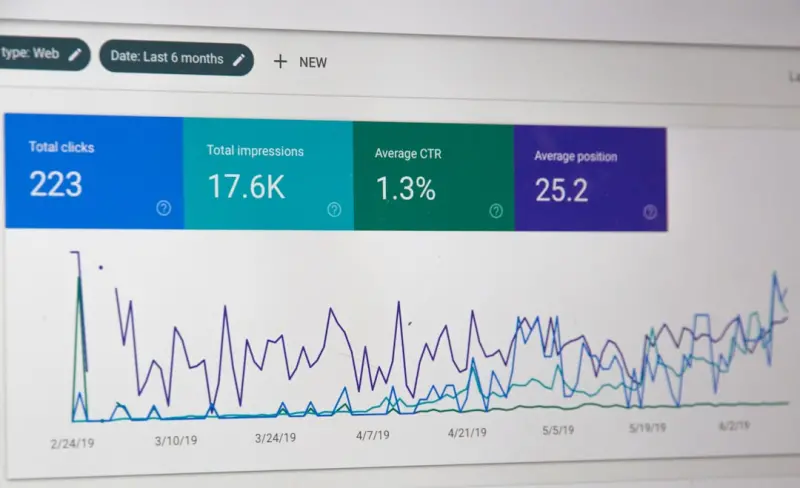
Dashboard tools like Google Search Console’s “Enhancements” section and third‑party entity‑monitoring platforms provide real‑time visibility.
Case Study: Turning a SaaS Feature into an Entity Powerhouse
One of my recent engagements involved a mid‑size SaaS company that offered a “real‑time analytics dashboard.” The product was great, but its SEO performance was stagnant. Here’s how we applied the Entity‑First framework:
- Entity audit identified three core entities: the dashboard itself, the underlying “stream processing engine,” and the “data visualization library.”
- We added
SoftwareApplicationmarkup for the dashboard,Thingfor the engine, andCreativeWorkfor the library, each withsameAslinks to GitHub repos. - We built a hub page titled “Understanding Real‑Time Analytics Dashboards” that explained the technology stack, benefits, and typical use cases.
- Cluster articles covered topics like “How Stream Processing Enables Sub‑Second Insights” and “Design Principles for Interactive Data Visualizations.”
- We secured backlinks from two industry analysts and a well‑known tech blog that quoted the dashboard’s performance metrics.
Within three months, the dashboard’s knowledge panel appeared for queries like “real‑time analytics dashboard features,” and the hub page captured a 45% increase in organic traffic. Moreover, Zero‑Click SERP Strategies helped us capture a steady stream of impression‑only clicks that later converted via retargeting.
Common Pitfalls (and How to Dodge Them)
1. Over‑optimizing with Too Much Schema: Adding every possible schema type can look spammy. Focus on relevance and accuracy.
2. Ignoring Entity Evolution: Entities change—new features launch, personnel shift, certifications expire. Set up a quarterly review process.
3. Neglecting the Human Angle: While search engines love structured data, readers still crave narrative. Blend data‑driven sections with storytelling.
Future‑Proofing Your SEO with Entities
As AI assistants become more conversational (Conversational SEO is already a hot topic), they’ll rely heavily on entities to provide accurate answers. By anchoring your SEO strategy in entities today, you’re laying the groundwork for tomorrow’s voice‑first, multimodal search experiences.
In short, think of entities as the DNA of your brand on the web. The more clearly you encode that DNA, the easier it is for Google—and users—to recognize, trust, and act on your content.
Action Plan: Get Started in 30 Days
Ready to give Entity‑First SEO a try? Here’s a quick 30‑day sprint:
- Day 1‑5: Run an entity audit using your existing content inventory and a free entity extraction tool.
- Day 6‑10: Map each core entity to appropriate schema.org types and add JSON‑LD to your top‑performing pages.
- Day 11‑15: Draft a hub page for your primary entity and outline at least three supporting cluster topics.
- Day 16‑20: Reach out to industry publications for backlinks that reference your hub and cluster articles.
- Day 21‑30: Monitor Search Console for new rich result impressions, adjust markup as needed, and report on early traffic shifts.
By the end of the month, you should see a modest lift in impressions and a clearer picture of how Google perceives your brand’s entities.
Final Thoughts
Entity‑First SEO isn’t a fad; it’s an evolution toward a more semantic, interconnected web. When you shift your focus from “keywords” to “entities,” you unlock richer SERP features, improve relevance for AI assistants, and future‑proof your digital presence. So, next time you sit down to plan an SEO campaign, ask yourself: Which entities are we trying to teach Google about? The answer will guide every technical, content, and outreach decision you make.

Miranda Murphy is a Staff Writer at Domain Authority and an experienced freelance writer with a decade of storytelling expertise helping brands convert complex ideas into high-impact content.
Related Posts

Structured Data Secrets: Turning SaaS Pages Into Rich SERP Experiences
A practical guide for SaaS marketers on leveraging structured data—like SoftwareApplication, Offer... Read More

The Ever-Changing Landscape of SEO: Strategies to Stay Ahead
Stay competitive in the digital space with our expert SEO insights and strategies. Learn how to adap... Read More

Visual Search Optimization: Turning Images into Traffic Magnets
Discover strategies to make your images rank in visual search, from file naming to schema, and unloc... Read More
Top Posts

Why B2B SaaS Should Turn LinkedIn Into a Live Learning Lab
Learn how to turn LinkedIn from a static billboard into a dynamic, live learning lab that educates prospects, fuels product development, and accelerates revenue...Read More
Local SEO in 2024: Shawn DesRochers’ Playbook for Dominating Your Neighborhood
Shawn DesRochers reveals the 2024 local SEO playbook, from Google Business Profile hacks to hyper‑local keywords, reviews, citations, and technical fundamenta...Read More
Mobile SEO Mastery: Tuning for Speed, Structure, and SERP Dominance
Learn the secret tactics to dominate mobile search: from Core Web Vitals to structured data, site architecture, and edge-driven performance, all in one practica...Read More
Scale‑Then‑Personalize: AI‑Powered Outreach for Authentic Link Building
Discover a new link‑building workflow that uses AI to find prospects at scale, then lets you add a personal touch, resulting in higher‑quality, authoritativ...Read More
0 Comments
Post Comment
You will need to Login or Register to comment on this post!