

Why a Cross‑Channel Mindset Is the New SEO Imperative
Search engines have evolved from simple keyword matchers into sophisticated interpreters of brand ecosystems, meaning that isolated organic tactics no longer capture the full picture of user intent. When a user encounters a brand across paid ads, social posts, and organic listings, each touchpoint contributes to a cumulative relevance signal that Google increasingly rewards with higher rankings. In practice, this means that marketers who synchronize their messaging, data, and creative assets across channels can amplify authority, reduce redundancy, and ultimately dominate the SERP real estate that competitors overlook.
Mapping the User Journey Across Channels
The first step toward a unified strategy is to visualize the full funnel—from discovery on a social platform, through a click on a paid search ad, to the final organic landing page that seals the conversion. By charting every micro‑interaction, you expose gaps where users drop off, and you discover moments where a well‑placed organic snippet can reinforce a paid promise. Tools like heatmaps, session recordings, and cross‑device attribution models become indispensable, allowing you to align content clusters with the exact queries that users employ at each stage of their journey.
Data Integration: From Pixels to SERPs
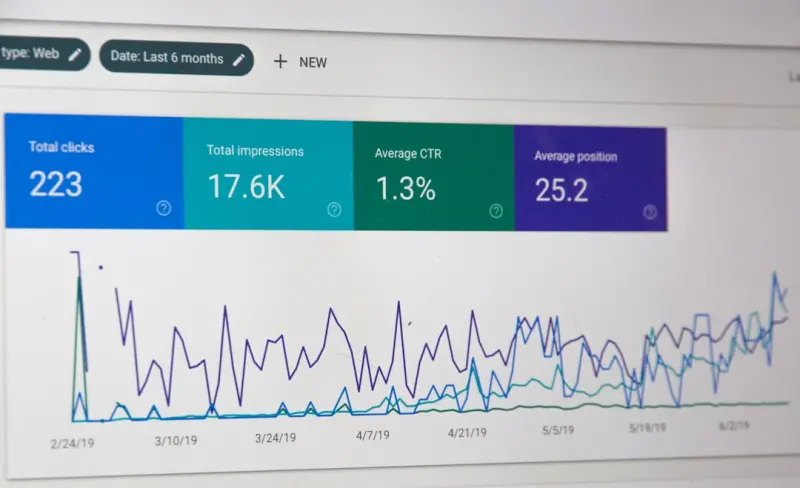
Traditional SEO reporting focuses on impressions, clicks, and rankings, but a cross‑channel approach demands that you blend pixel data, social engagement metrics, and paid performance into a single dashboard. When you notice a surge in paid click‑through rates for a specific keyword, you can proactively enrich the corresponding organic page with fresh FAQs, schema markup, or internal links to capitalize on the momentum. Likewise, insights from social sentiment analysis can surface emerging language that should be woven into meta tags and heading structures, keeping your content linguistically aligned with the audience’s evolving vocabulary.
Leveraging Structured Data for Unified Signals
Structured data acts as a lingua franca between your website and the search engine’s knowledge graph, and when you feed it consistent information that mirrors your paid and social narratives, you reinforce brand coherence. Implementing FAQ schema, product markup, and event snippets that reflect the same offers highlighted in ad copy ensures that Google’s algorithms see a single, authoritative source rather than fragmented pieces. This alignment not only boosts the chances of rich results but also signals trust, which can translate into higher organic rankings for competitive terms.
Coordinated Content Creation and Distribution
Instead of treating blog posts, ad copy, and social captions as siloed assets, adopt a modular content framework where each piece can be repurposed across channels with minimal friction. A well‑crafted pillar article can feed into an email newsletter, a carousel ad, and a series of Twitter threads, each pointing back to the same URL and reinforcing its relevance. By embedding internal links that naturally guide users from social teasers to deep‑dive pages, you create a web of contextual relevance that search engines interpret as high‑quality authority.
Measuring Success with Holistic KPIs
Traditional SEO metrics like organic traffic and keyword rankings remain important, but they must be evaluated alongside paid impression share, social reach, and cross‑channel conversion rates. A balanced scorecard might include organic‑to‑paid lift (the increase in organic clicks after a paid campaign), social‑derived organic sessions, and the overall revenue contribution of unified touchpoints. By tracking these blended KPIs, you can demonstrate the tangible ROI of a cross‑channel SEO strategy to stakeholders who otherwise focus on isolated channel performance.
Testing and Iteration: The Role of Experiments
Continuous improvement hinges on rigorous testing, and the best insights come from experiments that span multiple channels simultaneously. For example, you can run an A/B testing for SERPs that compares a landing page optimized for organic traffic against a version tailored for paid ad alignment, measuring not only click‑through rates but also downstream organic visibility. The data you gather informs which messaging resonates across the board, allowing you to double‑down on the most effective combinations and discard the rest.
Technical Foundations: Crawl Efficiency Meets Cross‑Channel Signals
A unified strategy also demands that your technical SEO be rock‑solid, ensuring that search engines can crawl and index the content you amplify through paid and social means. Implementing a well‑structured robots.txt, clean sitemaps, and strategic internal linking not only improves crawl budget allocation but also reinforces the pathways that users travel from ads or social posts to your organic pages. For practical guidance, see our guide on smart robots.txt & sitemaps, which walks you through the exact configurations that support a cross‑channel architecture.
Future‑Proofing Your Brand’s Visibility
As search engines continue to integrate AI, voice, and visual signals, the distinction between paid, social, and organic will blur even further, making a holistic SEO mindset not just advantageous but essential. By establishing a cross‑channel foundation today—through unified data, coordinated content, structured markup, and rigorous testing—you position your brand to capture emerging SERP features, maintain relevance across devices, and sustain growth as user behavior evolves. In short, the brands that win tomorrow are the ones that already see their SEO as an integrated ecosystem rather than an isolated tactic.

Nikki McDonald is a freelancer based in Waterloo. She brings her skills and expertise to various projects, balancing her professional work with a personal life that includes her husband, Stewart.
Related Posts

Intent‑First SEO: Building a Content Funnel That Guides Users From Curiosity to Conversion
Discover an intent‑first SEO roadmap that aligns keywords, content formats, and technical foundati... Read More

Semantic Clusters & Entity‑Driven SEO: The Playbook for Dominating Search
Discover how building semantic topic clusters, anchoring content around entities, and leveraging str... Read More

Turn Your SaaS Success Stories Into SEO Gold
Discover a systematic approach to repurposing SaaS customer success stories for SEO, including keywo... Read More
Top Posts
Serverless SEO: Making Headless SaaS Apps Crawl‑Friendly
A deep dive into the technical SEO challenges of serverless SaaS apps, offering a step‑by‑step roadmap—hybrid rendering, smart headers, dynamic sitemaps, ...Read More

Empathy-Driven eCommerce: Turning Shoppers into Lifelong Fans
Learn why putting shoppers’ emotions at the core of your eCommerce strategy drives higher conversions, stronger loyalty, and sustainable growth....Read More

The Evolution of Google SEO: Navigating the Ever-Changing Landscape
Google SEO is constantly evolving. Stay ahead of the curve with expert insights on technical SEO, content quality, and social media marketing. Learn how to navi...Read More

Interactive SEO: Turning Quizzes, Calculators, and Tools Into Ranking Power
Learn to transform quizzes, calculators, and interactive tools into powerful SEO assets that boost rankings, engagement, and organic traffic....Read More
0 Comments
Post Comment
You will need to Login or Register to comment on this post!