

The Mobile Landscape Has Shifted to Human Intent
Today's mobile users are no longer just data points; they are people with real‑time needs, emotions, and contexts, demanding that search engines prioritize relevance over raw rankings, and this shift forces marketers to redesign every touchpoint with empathy and purpose. When a user taps a result on a 6‑inch screen, the expectation is instant clarity, intuitive navigation, and content that feels like a conversation rather than a sterile algorithmic output, turning the traditional SERP experience into a human‑first dialogue. Embracing this mindset means that every meta description, headline, and CTA must be crafted to speak directly to the user’s intent, creating a seamless bridge between query and solution that elevates trust and drives conversions.
Core Web Vitals Are the New Trust Signals
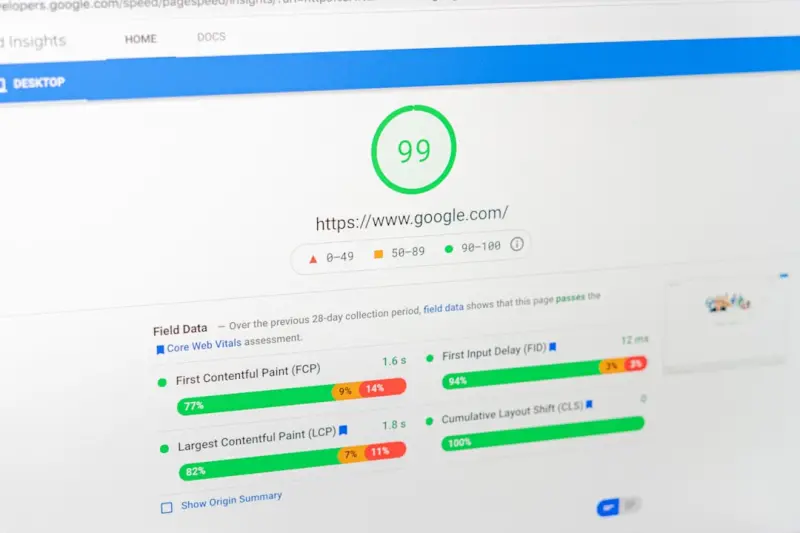
Google’s Core Web Vitals—Largest Contentful Paint, First Input Delay, and Cumulative Layout Shift—have become the digital pulse of user satisfaction, measuring not just speed but the perceived stability and responsiveness of a page on a handheld device. A page that loads in under two seconds, reacts instantly to a thumb tap, and maintains visual harmony throughout the scrolling journey signals to both users and search bots that the brand respects their time and attention, thereby earning higher rankings in a mobile‑first index. By optimizing image formats, leveraging lazy loading, and fine‑tuning JavaScript execution, marketers can transform these metrics from technical checkboxes into authentic experiences that humanize the brand on every screen.
Voice Search Is Turning Mobile Queries Into Conversations
With the proliferation of smart assistants, voice search is rewriting the language of mobile queries, shifting the focus from short‑tail keywords to natural, question‑based phrases that mirror how people actually speak. This evolution compels content creators to adopt a conversational tone, structuring answers around who, what, when, where, why, and how, while also embedding schema markup that helps search engines surface concise, spoken‑friendly snippets. By anticipating the conversational flow and delivering clear, concise responses, brands can capture the coveted voice‑search position, turning a fleeting spoken request into a lasting digital relationship.
Local SEO on Mobile Demands Authentic Community Connections
When users pull out their phones to find a nearby coffee shop, boutique, or service provider, they expect results that reflect genuine community ties, not just generic listings churned out by an algorithm; this expectation amplifies the importance of localized, human‑centric signals such as reviews, photos, and locally relevant content. Businesses that engage with their neighborhood through real‑time updates, event participation, and responsive customer service not only boost their Google Business Profile but also create a virtuous cycle where satisfied patrons generate organic citations and word‑of‑mouth referrals. In this context, authentic community engagement becomes a powerful ranking factor that outperforms sterile SEO tactics on mobile.
Content Must Be Scalable Yet Personal for Thumb‑Friendly Browsing
Mobile screens demand concise, scannable content that respects the thumb‑driven navigation style, meaning paragraphs must be short, headings bold, and key takeaways highlighted with visual cues that guide the eye without overwhelming the reader. Yet scalability remains essential; brands need to produce volume without sacrificing voice, which can be achieved by developing modular content frameworks that allow for rapid personalization based on user intent, location, and device context. By combining data‑driven insights with a human tone, marketers can deliver content that feels tailor‑made for each visitor, fostering deeper engagement and reducing bounce rates.
Link Building on Mobile Requires Real‑World Value, Not Just Links
Traditional link‑building tactics that rely on bulk directories or low‑quality guest posts lose potency on mobile, where Google increasingly assesses the contextual relevance and user‑centric value of inbound connections, especially as users access content on the go. Brands that earn backlinks through genuine collaborations—such as co‑hosting webinars, contributing expert quotes, or sponsoring local events—demonstrate authentic authority, translating into stronger mobile rankings and higher trust among on‑the‑move audiences. This approach aligns with the principles outlined in Human‑Centric SEO: Why Authenticity Beats Algorithms, emphasizing that real‑world relationships now fuel digital success.
Analytics Must Reflect Human Behavior, Not Just Bot Metrics
Mobile analytics should move beyond pageviews and bounce rates to capture nuanced human interactions such as scroll depth, dwell time, and gesture patterns that reveal true engagement levels across varied device contexts. By integrating heatmaps, session recordings, and mobile‑specific event tracking, marketers can identify friction points—like tap‑target misalignments or hidden navigation menus—that disrupt the user journey and erode trust. These insights empower teams to iterate quickly, aligning technical performance with the human expectations that drive conversion, thereby turning raw data into actionable empathy.
Future‑Proofing Mobile SEO With a Human‑Centric Playbook
To stay ahead, brands must adopt a holistic, human‑first roadmap that blends technical excellence with authentic storytelling, ensuring every mobile touchpoint feels purposeful and personable. This playbook includes auditing Core Web Vitals, optimizing for voice search, cultivating local community ties, and leveraging content that adapts to the user’s context while maintaining a consistent brand voice. For a deeper dive into this strategic shift, explore Mobile SEO Mastery, where proven frameworks illustrate how empathy-driven tactics can reshape rankings and build lasting customer loyalty.
Take Action: Human‑Centric Mobile SEO Checklist
Start by running a Core Web Vitals audit and fixing any performance gaps that impede mobile speed or stability, then rewrite top‑ranking pages in a conversational tone that anticipates voice‑search phrasing and integrates structured data for featured snippets. Next, enrich your Google Business Profile with up‑to‑date photos, authentic reviews, and community events, while establishing genuine backlink partnerships that reflect real‑world value and expertise. Finally, set up mobile‑specific analytics dashboards to monitor human interaction metrics, and iterate continuously—because in the mobile era, the brands that listen, adapt, and humanize will dominate the SERPs.

Paul Gray is a dynamic blogger based in Brampton, where he shares his life with his amazing wife, Sarah. Known for his engaging writing style and relatable insights, Paul has carved out a niche in the blogging world that resonates with readers from all walks of life. When he's not crafting captivating posts, you can find him savoring a cold beer or indulging in the latest blockbuster movie. With a friendly demeanor and a passion for storytelling, Paul brings a unique perspective to his work, making him not just a blogger, but a voice for those who appreciate the simple joys of life.
Related Posts

Why Mobile‑First SEO Is the New Competitive Edge for SaaS
Mobile‑first SEO isn’t a checkbox; it’s a strategic lever that can shrink sales cycles and inc... Read More

Mobile SEO Mastery in 2024: Jessica Hall’s Insider Playbook
Jessica Hall shares her proven mobile SEO playbook for 2024, revealing essential tactics for speed, ... Read More

Harnessing Progressive Web Apps for Mobile SEO Success in SaaS
Progressive Web Apps combine app‑like speed and reliability with SEO‑friendly URLs, offering Saa... Read More
Top Posts

Why Listening on Social Beats Posting: A Data‑Driven Playbook
Social listening transforms noisy online chatter into strategic insight. This playbook shows SaaS marketers how to build a listening stack, translate conversati...Read More

The Ultimate Guide to Technical SEO: Strategies and Best Practices
Technical SEO is a critical aspect of search engine optimization that involves optimizing a website's technical elements to improve its visibility, crawlability...Read More
Cracking the Zero‑Click SERP: How to Win When Users Don’t Click
Learn how to capture prime SERP real‑estate—position 0, PAA, and rich results—while turning zero‑click exposure into measurable brand growth....Read More
Elevating SaaS Visibility: A Deep Dive into Google’s E‑E‑A‑T Playbook
A comprehensive guide for SaaS marketers on leveraging Google’s E‑E‑A‑T framework, passage ranking, Discover, and structured FAQs to drive qualified lea...Read More
0 Comments
Post Comment
You will need to Login or Register to comment on this post!