
Why Experience Beats Price in Modern eCommerce
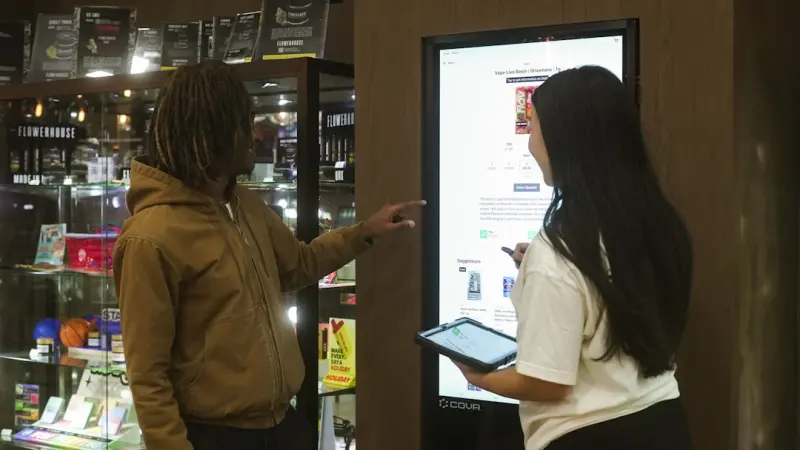
When I first launched my own shop, I chased the lowest price point like a dog after a squirrel, believing discounts would magically convert browsers into buyers. Over time I learned that shoppers now crave a rich, personalized journey that feels less like a transaction and more like a conversation with a trusted friend. By shifting the focus from price‑only tactics to immersive experiences—such as interactive product demos, real‑time styling advice, and behind‑the‑scenes brand stories—I began to see not only higher average order values but also a surge in repeat visits, proving that delight outperforms discount every single day.
Mapping the Customer Journey with Behavioral Data
Instead of relying on gut feelings, I started to stitch together every click, scroll, and hover into a coherent map that revealed where curiosity turned into commitment and where friction caused abandonment. Tools that capture heatmaps, session recordings, and micro‑conversions gave me a granular view of each touchpoint, allowing me to pinpoint exact moments to inject helpful nudges or contextual content. The key insight was that data‑driven mapping uncovers hidden pathways—like a shopper lingering on size charts—where a well‑timed video or AI‑powered fit suggestion can turn hesitation into confidence.
AI‑Powered Product Recommendations That Feel Human
One of the most powerful ways to personalize the experience is to let algorithms do the heavy lifting while preserving a human tone. By integrating a recommendation engine that learns from purchase history, browsing patterns, and even social signals, I can serve each visitor a curated carousel that feels hand‑picked rather than generic. The magic lies in the subtlety—pairing complementary items, suggesting seasonal upgrades, or highlighting limited‑edition bundles—so the shopper perceives the store as an attentive concierge, not a cold algorithm.
Dynamic Content Zones: Turning Pages into Mini‑Experiences
Traditional product pages often feel static, but I transformed them into dynamic canvases that adapt in real time to each visitor’s context. Using conditional sections, the same page can showcase a sustainability badge for eco‑conscious buyers, a bulk‑discount widget for wholesale prospects, or a limited‑time flash offer for impulse shoppers. This fluid approach keeps the site feeling fresh, reduces bounce rates, and, most importantly, communicates that the brand understands and respects each shopper’s unique motivations.
Leveraging User‑Generated Media for Trust and Engagement
Nothing convinces a hesitant buyer more than seeing real people enjoying the product, so I built a seamless pipeline that pulls Instagram posts, TikTok clips, and review photos directly into product galleries. By giving credit to the creators and incentivizing them with loyalty points, the community becomes a living showcase that constantly refreshes the store’s visual narrative. This strategy not only fuels social proof but also reduces the need for costly professional photography, turning customers into brand ambassadors with every share.
Subscription Models as Experience Enhancers
Rather than viewing subscriptions as a simple recurring revenue stream, I reimagined them as curated experiences that surprise and delight members month after month. Each box includes exclusive colorways, early‑access previews, and personalized notes that reference past purchases, making the subscriber feel seen and valued. This approach turns a mundane billing cycle into an anticipated event, driving higher lifetime value and creating a built‑in feedback loop for product development.
Community‑Centric Loyalty Programs That Reward Interaction
Traditional points‑for‑purchases programs feel transactional, so I introduced a tiered system that awards members for actions beyond spending—like leaving reviews, answering community questions, or sharing brand stories on social media. These non‑purchase activities earn badges and unlock experiences such as virtual styling sessions, behind‑the‑scenes webinars, or early product drops. By gamifying engagement, the loyalty program becomes a social hub where shoppers earn status by contributing, not just by buying.
Integrating data‑driven link strategies to Amplify Visibility
While the focus of this article is on the on‑site experience, the truth is that external signals still play a crucial role in guiding new shoppers to your storefront. By treating every piece of research, case study, or customer insight as link‑worthy content, you create natural backlink opportunities that boost authority and drive qualified traffic. The process involves turning internal analytics into shareable narratives—think “how 20% of our shoppers discovered us via Instagram reels”—and then reaching out to industry publications or niche blogs eager for fresh data.
Future‑Proofing with AI‑driven topic clustering
As search engines evolve, they reward sites that demonstrate depth and relevance across interconnected topics. By organizing product descriptions, blog posts, and help center articles into semantic clusters—groups of related concepts linked by AI‑identified relationships—you signal expertise to both users and crawlers. This not only improves rankings for long‑tail queries but also guides shoppers through a logical discovery path, seamlessly moving them from problem identification to solution purchase without feeling lost.
Measuring Success: The New KPI Dashboard
The final piece of the puzzle is redefining how we measure success. Instead of focusing solely on conversion rate, I now track experience‑centric metrics such as average session depth, interaction frequency with dynamic content zones, and the proportion of repeat visits stemming from community engagement. These KPIs paint a fuller picture of brand health, revealing whether the store is truly becoming an experience hub or merely a checkout counter. When the numbers show that shoppers linger longer, interact more, and return willingly, you know the experience‑first strategy is paying off.

Kelly Reynolds is a dynamic freelance writer hailing from the picturesque landscapes of Alberta. A master of the written word, she juggles her passion for storytelling with the exhilarating chaos of being a mother to five spirited children. With an impressive portfolio that spans various genres, Kelly captivates readers through her engaging blog posts and thought-provoking articles.
Related Posts

The Impact of Social Media on E-commerce: A Game-Changer for Online Visibility
Social media has become a game-changer for e-commerce businesses, providing a platform to reach new ... Read More

Beyond the Checkout: How Post‑Purchase Personalization Fuels eCommerce Growth
A strategic post‑purchase approach—personalized confirmations, value‑add content, smart upsell... Read More
AI‑Powered Product Bundles: The Secret Sauce for Higher eCommerce AOV
Learn why AI‑powered bundles are reshaping eCommerce, how to implement them, and the psychology th... Read More
Top Posts

Micro‑Influencer Partnerships and Tech‑Driven Tactics: The Next Evolution of Local SEO
Learn cutting‑edge tactics—micro‑influencer collaborations, geo‑fencing ads, AR experiences, and sophisticated schema—to dominate local search and tur...Read More

Why Progressive Web Apps Are the Secret Weapon for Mobile SEO
Progressive Web Apps combine the speed and accessibility of the web with the engagement of native apps. This post explains why PWAs are a game‑changing SEO st...Read More

Why Human Connection Is the New Currency for eCommerce Success
In today’s crowded eCommerce arena, authentic human connection trumps algorithmic shortcuts. Learn the strategies—link building, user‑generated content, c...Read More

Turning Interactive Tools into SEO Powerhouses
Learn why building interactive tools is the next frontier in SEO, driving authority, traffic, and conversions....Read More
0 Comments
Post Comment
You will need to Login or Register to comment on this post!