

Local SEO in a Human‑Centric World
When I first walked the streets of my hometown bakery district, I realized that every storefront whispered a story that traditional keyword stacks simply couldn’t capture. Local SEO today is less about stuffing a zip code into a meta tag and more about listening to the rhythms of a community, its hopes, its daily routines, and its pain points. By framing optimization as a conversation rather than a broadcast, businesses can turn a fleeting search into a lasting relationship, and that shift is the very pulse of the modern search landscape.
That realization pushed me to explore the deeper layers of empathy in search, leading to a breakthrough article titled Why Human‑Centric Local SEO Is the Secret Sauce for Neighborhood Success. The piece highlighted how neighborhoods thrive when brands mirror the lived experiences of residents, from local festivals to traffic patterns at rush hour. The takeaway? When your SEO strategy mirrors the human experience, the algorithm rewards you with higher relevance, more clicks, and ultimately, loyal foot traffic that no generic national campaign can replicate.
Building Empathy‑Driven Local Presence
At the foundation of any successful local campaign is a crystal‑clear understanding of search intent at the block level. People typing “best coffee near me” aren’t just looking for caffeine; they’re craving a cozy spot to catch up with friends, a reliable place for remote work, or a quiet nook to read the morning paper. By mapping those nuanced intents to specific touchpoints—storefront signage, staff greetings, even the scent of fresh pastries—you create a digital footprint that feels authentic and welcoming.
Google Business Profiles (formerly Google My Business) become the digital front door when you infuse them with empathy‑driven language. Instead of a bland “We sell coffee,” describe the aroma that greets customers at 7 a.m., the barista who remembers regulars’ favorite orders, and the community events you host on weekends. These human details not only improve click‑through rates but also signal to Google that your business genuinely serves its neighborhood, boosting local rankings.
Reviews are the modern word‑of‑mouth, and they thrive on emotion. I encourage owners to respond not with canned thank‑yous but with personalized notes that acknowledge the reviewer’s specific experience—perhaps a thank you for mentioning a late‑night study session or a comment on a child’s birthday celebration at the shop. This approach mirrors the insights from How Empathy Is Redefining Digital Marketing Success, where genuine engagement turns casual patrons into brand advocates who voluntarily spread the word both online and offline.
Content creation for local audiences should feel like storytelling at a community gathering. Consider a weekly blog series that spotlights a local artist, a neighborhood park renovation, or a historic anecdote about the main street. Pair these narratives with hyper‑local landing pages that include schema markup for events, products, and services. Below is a quick checklist to keep your content both human‑centric and SEO‑friendly:
- Identify a local hook – a festival, a weather pattern, or a community milestone.
- Craft a story that weaves your brand naturally into that hook.
- Optimize with geo‑specific keywords, but keep the language conversational.
- Include structured data (Event, LocalBusiness, Review) to help search engines understand context.
- Promote through local social channels and community newsletters for amplified reach.
Technical hygiene remains a silent hero in local rankings. Consistent NAP (Name, Address, Phone) data across citations, a well‑structured XML sitemap, and accurate Why Empathy Matters in Technical SEO: A Human‑Centric Blueprint ensure that search engines can trust the authenticity of your information. Implementing LocalBusiness schema with attributes like openingHours and priceRange signals to Google that you’re not only present but also attentive to the everyday needs of nearby shoppers.
Measuring Success and Looking Ahead
Success metrics for a human‑centric local strategy extend beyond clicks and impressions. Track foot‑traffic lift through Google’s “Searches leading to store visits” reports, monitor review sentiment trends, and measure repeat‑visit rates via loyalty program data. When you see a spike in “near me” queries accompanied by longer dwell times on your site, you know the empathy narrative is resonating.
The future of local SEO is undeniably mobile‑first. As more consumers rely on voice assistants and on‑the‑go searches, the need to prioritize fast, responsive, and context‑aware experiences becomes critical. The insights from Putting Users First: The New Wave of Mobile SEO reinforce that a mobile‑optimized site with clear call‑to‑actions, click‑to‑call buttons, and location‑aware maps will dominate the SERPs of the next generation of neighborhood shoppers. Embrace these tools, stay attuned to community pulse, and watch your local presence flourish.

Tammy French is a Montessori Teaching Assistant and freelance writer passionate about education, creativity, and inspiring lifelong learning through engaging content.
Related Posts

Local SEO in 2024: Trends and Strategies for Success
Local SEO is crucial for businesses looking to attract customers in their area. Learn the latest tre... Read More

Guerrilla Tactics to Dominate Hyperlocal Search for SaaS Startups
Learn how SaaS startups can leverage Google Business Profiles, localized content, community partners... Read More
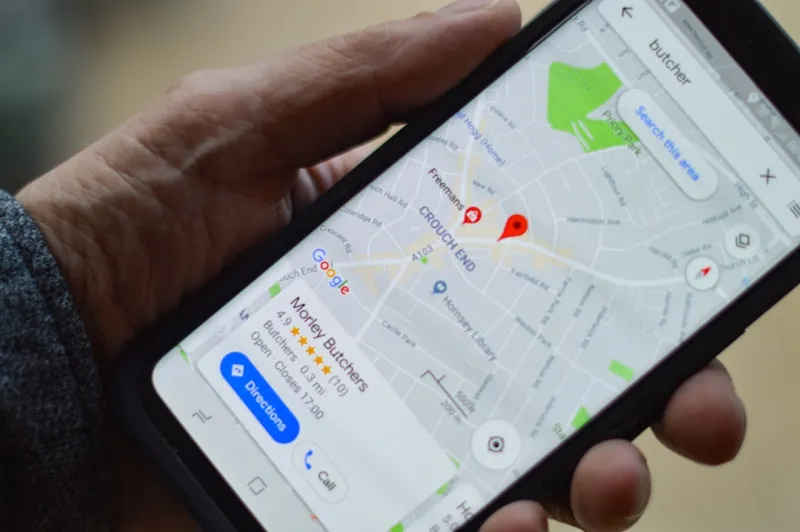
Why Local SEO Needs a Human‑Centric, Mobile‑First Makeover
A human‑centric, mobile‑first strategy is the secret sauce for local SEO success—learn how emp... Read More
Top Posts
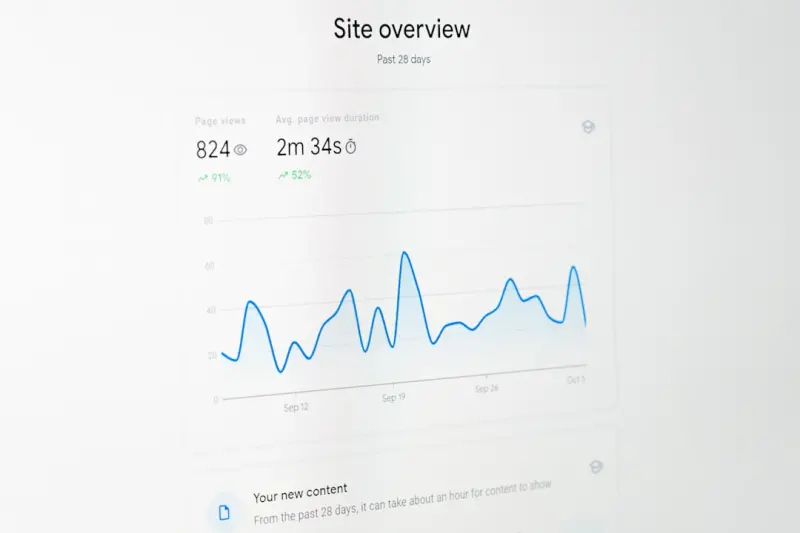
Zero‑Click SERP Features: Turning Search Answers into a SaaS Branding Engine
Zero‑click SERP elements like featured snippets and knowledge panels are reshaping how SaaS brands capture attention. This guide explains how to design conten...Read More

Why Real‑Time Data Is the Engine Behind Hyper‑Personalized eCommerce
Real‑time data, AI, and edge computing enable eCommerce sites to tailor product recommendations instantly, increasing relevance, trust, and sales while stayin...Read More

Understanding SERPs and How to Optimize Your Content
Discover how to optimize your content for SERPs and increase your online visibility with our expert guide....Read More

Why Private Social Communities Are the Untapped Engine of SaaS Success
Private social communities transform passive followers into active co‑creators, delivering higher‑intent leads, reduced churn, and a pipeline of product ide...Read More
0 Comments
Post Comment
You will need to Login or Register to comment on this post!