
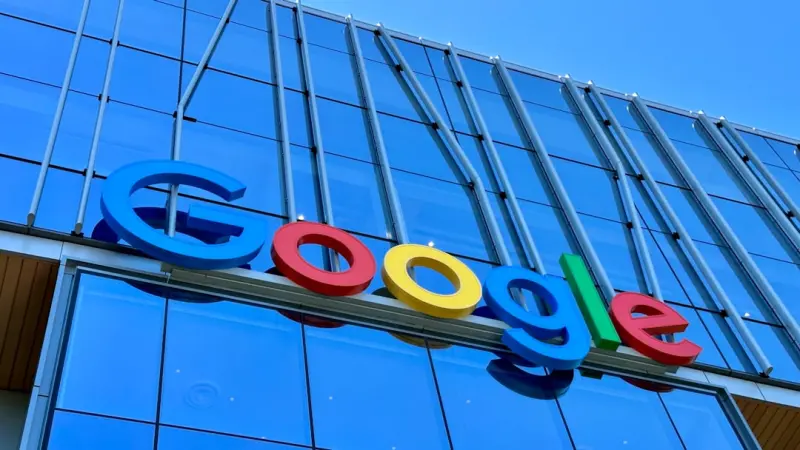
Why Your SaaS Needs a Google Business Profile (And How to Make It Work)
When most people think about local SEO, they picture a coffee shop, a dentist, or a boutique. SaaS companies often skip the local playbook, assuming “software” automatically means “global.” That’s a dangerous shortcut. A well‑optimized Google Business Profile (GBP) can turn city‑level searches into qualified demos, and it does so without a massive ad spend.
The hidden power of Google Business for SaaS
Google’s local pack has evolved from a simple “near me” list into a sophisticated signal engine. Even for non‑brick‑and‑mortar businesses, the platform evaluates:
- Relevance – Does the profile match the search intent?
- Proximity – How close is the business to the searcher’s location?
- Prominence – How well‑known is the brand online?
For SaaS, relevance is about aligning product language with local search terms (e.g., “project management software Chicago”). Proximity isn’t about a physical storefront; it’s about demonstrating a regional presence, such as local case studies or support staff in that area. Prominence comes from reviews, citations, and the content you publish on your GBP.
Step 1: Claim, Verify, and Complete Every Section
It sounds basic, but many SaaS teams treat GBP as an afterthought. Here’s the checklist:
- Name: Use your exact brand name – no extra keywords.
- Address: If you don’t have a public office, use a virtual office or coworking space that allows mail receipt. Google prefers a verifiable physical address.
- Phone: A local phone number (or toll‑free with a city code) builds trust.
- Website URL: Point to a landing page tailored for that market – not your generic homepage.
- Hours: Even if you’re “always open,” list standard business hours to align with expectations.
- Categories: Choose the most specific SaaS categories Google offers (e.g., “Project Management Software”).
- Attributes: Highlight features like “Online appointments” or “Free trial” when applicable.
Leaving any field blank is a missed ranking signal.
Step 2: Hyper‑Local Content on Your GBP
Google allows you to post updates, offers, and events directly to your profile. Use this space to share hyper‑local content that you wouldn’t necessarily host on your main blog. Examples:
- Case studies from local customers (“How a Seattle startup cut onboarding time by 30%”).
- Webinar invites targeting a specific city or region.
- Limited‑time promotions for users in a particular ZIP code.
These posts appear in the local pack and can be indexed quickly, giving you a fast‑moving SEO lever.
Step 3: Leverage Structured Data on Your Landing Pages
Google loves structured data, and it’s a direct bridge between your website and your GBP. Implement LocalBusiness schema on the regional landing pages you link from the profile. Include:
- Business name, address, and phone (NAP) – identical to GBP.
- Geo‑coordinates.
- Operating hours.
- Customer reviews (if you have a JSON‑LD feed).
When Google crawls these pages, the schema reinforces the data in your GBP, boosting both local pack and organic rankings. If your SaaS runs a single‑page application, remember to dynamic rendering so the structured data is visible to crawlers.
Step 4: Harvest and Manage Reviews the Smart Way
Reviews are the lifeblood of local SEO. For SaaS, they also serve as social proof for prospects evaluating a trial. Follow this process:
- Ask at the right moment: After a successful onboarding call or after a milestone is reached.
- Make it easy: Send a personalized email with a direct link to the Google review form.
- Respond promptly: Thank positive reviewers and address concerns publicly for negative ones.
- Leverage reviews in other assets: Pull the best quotes into your website, sales decks, and even the GBP “From the business” section.
Google’s algorithm weighs review quantity, velocity, and sentiment. A steady stream of 5‑star reviews from local clients can propel you to the top of the pack.
Step 5: Build Local Citations Beyond the GBP
Citations are mentions of your NAP on other sites. For SaaS, think beyond traditional directories and target industry‑specific platforms:
- Local tech meetup pages.
- Regional SaaS awards or “Best of” lists.
- Chamber of commerce member directories.
Consistency is critical. Use a tool or spreadsheet to audit your citations quarterly. Any mismatch (e.g., “San Francisco, CA” vs. “San Francisco, California”) can dilute local relevance.
Step 6: Use the “Questions & Answers” Section Strategically
The Q&A section on GBP is often ignored, yet it offers a chance to rank for long‑tail queries. Seed the section with questions your target audience asks:
- “Does your platform integrate with X CRM?”
- “Can I get a demo for my team in Denver?”
- “What is your pricing model for small businesses?”
Answer each question concisely and include a call‑to‑action linking back to a localized landing page. This not only improves visibility but also drives qualified traffic.
Step 7: Track Performance with the Right Metrics
Local SEO isn’t a set‑and‑forget tactic. Use the following KPI set to gauge success:
- Search impressions in Google Business Insights – shows how often your profile appears in local queries.
- Clicks to website – measures how many users transition from the GBP to your site.
- Direction requests – indicates intent to visit a physical location (useful if you have a demo office).
- Phone calls – track via call‑forwarding numbers.
- Review velocity – number of new reviews per month.
Combine these with crawl budget analysis to ensure Google’s bots are efficiently indexing your localized pages.
Step 8: Combine Local SEO with Paid “Local Packs” Ads
Google Ads now offers local pack extensions that appear alongside organic results. Running a modest budget on these extensions can give you immediate visibility while your organic efforts mature. Align your ad copy with the messaging on your GBP for a seamless user experience.
Step 9: Align Your Team Around Local Success
Local SEO isn’t just an SEO team’s responsibility. Sales, support, and product managers should all contribute:
- Sales: Capture local client successes and feed them back into GBP posts.
- Support: Offer region‑specific office hours or phone numbers.
- Product: Highlight any localized features (e.g., language support, regional compliance).
This cross‑functional alignment amplifies the “prominence” signal Google looks for.
Future‑Proofing Your Local Strategy
Local SEO will keep evolving. Keep an eye on emerging trends:
- Voice search: People ask “best project management software near me.” Ensure your GBP Q&A covers conversational phrasing.
- Augmented reality listings: Some directories are testing AR previews of office spaces – be ready to add 3D assets if you ever open a physical hub.
- Privacy‑first data handling: As privacy regulations tighten, make sure any review‑gathering tools are compliant – see our guide on privacy‑first digital marketing for best practices.
By treating your Google Business Profile as a living, data‑rich asset, you turn a “local” requirement into a scalable growth engine.
Wrapping Up: From Local to Global, One Profile at a Time
Local SEO isn’t a niche for SaaS; it’s a gateway to hyper‑targeted demand that larger campaigns can’t match. When you claim, optimize, and continuously nurture your Google Business Profile, you’re not just showing up in search – you’re telling local prospects that you understand their market, their challenges, and that you’re ready to solve them. That level of relevance can shrink your sales cycle, boost conversion rates, and create a steady stream of qualified leads from every city you serve.

Nikki McDonald is a freelancer based in Waterloo. She brings her skills and expertise to various projects, balancing her professional work with a personal life that includes her husband, Stewart.
Related Posts
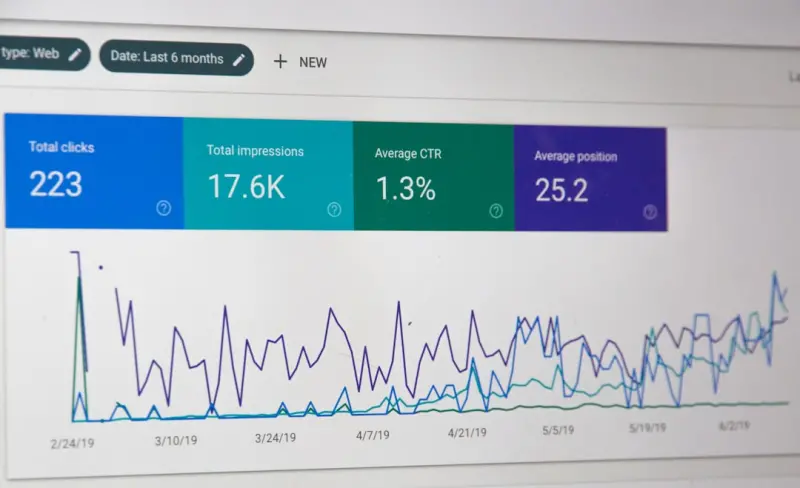
Micro‑Targeted Local SEO: Winning SaaS Customers One Zip Code at a Time
Discover a fresh approach to local SEO that focuses on zip‑code level targeting, creating hyper‑... Read More

Capturing Conversational Queries: A Voice‑First Playbook for Local SEO
Discover a step‑by‑step voice‑first strategy to boost your local search presence, turn spoken ... Read More

Neighborhood‑First SEO: Turning Local Communities into SaaS Growth Engines
A neighborhood‑first SEO strategy goes beyond map pins, using localized content, reviews, and stru... Read More
Top Posts

Neighborhood Partnerships: The Untapped Engine Behind Local SEO Success
Learn why forging genuine neighborhood partnerships is the secret to dominating local search, with actionable steps to map, collaborate, and leverage structured...Read More

Interactive SEO: Turning Quizzes, Calculators, and Tools Into Ranking Power
Learn to transform quizzes, calculators, and interactive tools into powerful SEO assets that boost rankings, engagement, and organic traffic....Read More

Riding the 2024 Social Strategy Wave: Brandy Miller’s Insider Playbook
Brandy Miller reveals the hottest social strategy trends for 2024, from algorithm hacks to community‑first tactics that drive real growth....Read More
Social Media 2024: Paul Gray’s Insider Playbook for Riding the Wave
Paul Gray breaks down 2024’s social media shifts, offering insider tactics on short‑form video, social commerce, and the unexpected boost to local SEO—ess...Read More
0 Comments
Post Comment
You will need to Login or Register to comment on this post!