

Why Local Search Isn’t Just for Brick‑and‑Mortar Anymore
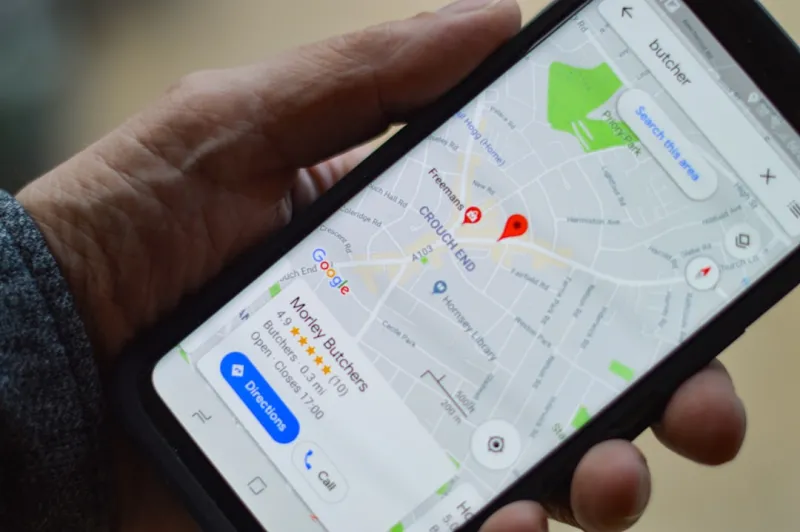
When I first started consulting for SaaS firms, the prevailing wisdom was that “local SEO” belonged in the realm of cafés, dentists, and auto shops. The logic was simple: if you don’t have a storefront, why bother with Google Business Profiles or city‑specific landing pages? I quickly discovered that premise was outdated. Even a cloud‑based platform can reap massive benefits from being visible in regional searches—especially when decision‑makers are looking for vendors “near me” or “in my city”.
The Real Business Case: Revenue that Grows From the Ground Up
Consider this scenario: a midsize HR software company based in Austin lands a contract with a Fortune‑500 firm that has a regional office in Dallas. The Dallas team conducts a quick Google search for “HR SaaS solutions in Dallas”. If your Austin‑based brand hasn’t optimized for that locality, you’re invisible, and the prospect walks away. By contrast, a well‑tuned local SEO strategy can surface your brand in that exact query, positioning you as a local partner—even if all your servers live in the cloud.
Local SEO drives three critical outcomes for SaaS businesses:
- Higher Intent Leads: Users searching with a geographic modifier usually have a tighter purchase window.
- Trust Signals: A polished Google Business Profile, regional reviews, and localized content reassure prospects that you’re established and accountable.
- Competitive Edge: Many SaaS vendors ignore local signals, leaving a low‑hanging fruit that you can harvest with relatively modest effort.
Mapping the Local Landscape Before You Write a Word
The first step is to audit where you actually have a presence—physical offices, regional sales teams, data centers, or even partner ecosystems. Don’t overlook remote employees who regularly attend local meetups or speak at city‑based conferences. Each of these touchpoints can be leveraged as a “local asset” for SEO.
Use tools like Google My Business (now Google Business Profile), Ahrefs’ “Local SERP” feature, or even manual Google searches with site:yourdomain.com + “city name” to surface existing location signals. Document the gaps—maybe you have a sales rep in Chicago but no dedicated landing page or business profile for that market.
Crafting Location Pages That Do More Than Rank
When I built a series of city‑specific pages for a B2B analytics platform, I treated each page as a mini‑sales funnel:
- Headline that blends solution and locale. Example: “Data‑Driven Marketing Analytics for Chicago Teams”.
- Localized copy that references regional pain points. Chicago marketers care about seasonal tourism spikes; Berlin enterprises worry about GDPR compliance.
- Proof points that feel local. Case studies, client logos, or even testimonials from companies based in that city.
- Clear call‑to‑action. “Schedule a 15‑minute demo with our Chicago specialist”.
Don’t fall into the trap of duplicating the same boilerplate across every city. Google’s algorithms are sophisticated enough to penalize thin, duplicated content. Instead, build a modular framework where only the headline, a few paragraphs, and the visual assets change per location.
For a SaaS help center, you can further amplify these pages by linking to region‑specific support articles. That synergy is explored in depth in Unlock the SEO Potential of Your SaaS Help Center, which shows how support content can become a ranking asset.
Local Reviews: The Unsung Hero of B2B Trust
Reviews aren’t just for restaurants. In the B2B world, a five‑star rating on your Google Business Profile can be the difference between a prospect clicking “Contact Us” or moving on to a competitor. Here’s how to turn reviews into a structured SEO advantage:
- Encourage post‑implementation feedback. After a successful onboarding, ask the client to leave a short review. Make it easy—send a direct link to the review form.
- Showcase reviews on location pages. Embed a Google Reviews widget that filters by city, so a Dallas visitor sees Dallas‑based testimonials.
- Respond publicly. Acknowledging both praise and constructive criticism demonstrates professionalism and can improve your local rankings.
Schema Markup: Speak Google’s Language at the Neighborhood Level
Structured data is the lingua franca that tells search engines exactly what you’re offering and where. While many SaaS marketers focus on product schema, local businesses benefit from LocalBusiness and Service markup.
Key properties to include:
address– even if it’s a virtual office, list a physical mailing address.geo– latitude and longitude to help Google map you accurately.areaServed– specify the cities or regions you support.priceRange– give a rough estimate, which can appear directly in SERPs.
When you combine these signals with the content strategy discussed earlier, you create a “semantic hub” for each location. The concept of semantic hubs is dissected in Semantic Hubs: The Secret Sauce Behind SaaS SEO Dominance, and the same principles apply at the city level.
Community Partnerships: Turning Local Events into SEO Fuel
Nothing screams “local authority” more than being visibly involved in regional tech ecosystems. Sponsor a meetup, host a workshop, or partner with a local university for a research project. Each of these activities yields three SEO assets:
- Earned citations. Local news sites or industry blogs will often link back to your event page.
- Social proof. Photos and posts from the event can be added to your Google Business Profile gallery.
- Backlink opportunities. Event partners may list you on their websites, creating valuable local backlinks.
Track these mentions in a simple spreadsheet, and use a tool like Ahrefs to monitor the resulting backlink profile. Over time, you’ll see an uptick in domain authority for your city‑specific pages, which translates into higher rankings.
Measuring Local Impact: KPIs That Matter
Local SEO can feel intangible if you only look at global traffic numbers. Set up a dashboard that tracks:
- Impressions and clicks in Google Business Profile Insights. This data is broken out by search query and location.
- Organic traffic to each location page. Use UTM parameters on internal links to attribute downstream conversions.
- Local lead volume. Tag leads that originated from a city‑specific form submission.
- Review velocity and sentiment. A sudden surge in positive reviews can predict a ranking boost.
When you notice a dip, dig into the three‑hour Google “Local Pack” for that city and see who’s outranking you. Often the gap is as simple as a missing openingHours schema or a stale business photo.
Integrating Local Signals Into Your Broader SEO Playbook
Local SEO should not exist in a silo. Your global content strategy, link‑building outreach, and technical SEO all feed the local ecosystem. For instance, a thought‑leadership piece on “Data Privacy for European SaaS Companies” can be repurposed into a localized blog post titled “Data Privacy Regulations for SaaS in Munich”. The backlink earned from a German tech news site not only supports the global authority of the original piece but also boosts the Munich location page’s relevance.
Similarly, your original research initiatives can be broken down into regional case studies, each earning its own set of citations and local search signals.
Practical Checklist: Your First 30‑Day Local SEO Sprint
To make this actionable, here’s a concise list you can start ticking off today:
- Audit existing Google Business Profiles; claim any unverified listings.
- Identify top 5 target cities based on revenue potential or existing sales presence.
- Create a modular landing page template; launch a dedicated page for each city.
- Implement
LocalBusinessschema on each page with accurate NAP (Name, Address, Phone). - Gather at least three reviews per city; embed them on the corresponding page.
- Schedule one local event or webinar per month; promote it via email and social channels.
- Set up a simple Google Data Studio report tracking impressions, clicks, and conversions by city.
- Review backlink profile weekly; outreach to any local partners who haven’t linked back.
Final Thoughts: Local SEO as a Growth Engine, Not a Side Project
In the SaaS world, we often chase the next big algorithm update or the newest AI tool. Yet, the most immediate, measurable lift can come from the neighborhoods where our sales reps actually meet prospects. By treating each city as a micro‑market—complete with its own landing page, reviews, schema, and community involvement—you turn “local search” from a checkbox into a sustainable revenue channel.
If you’re ready to put the “local” back into SaaS, start small, iterate fast, and let the data guide you. The payoff isn’t just higher rankings; it’s qualified leads that already feel like you’re “nearby”, even when your servers are hosted in a data center halfway around the world.

Paul Gray is a dynamic blogger based in Brampton, where he shares his life with his amazing wife, Sarah. Known for his engaging writing style and relatable insights, Paul has carved out a niche in the blogging world that resonates with readers from all walks of life. When he's not crafting captivating posts, you can find him savoring a cold beer or indulging in the latest blockbuster movie. With a friendly demeanor and a passion for storytelling, Paul brings a unique perspective to his work, making him not just a blogger, but a voice for those who appreciate the simple joys of life.
Related Posts

Reinventing Local SEO with a Human‑Centric Lens
A human‑centric local SEO strategy turns community trust into rankings, boosting foot‑traffic, o... Read More

The Secret Sauce of Local SEO: Turning Customer Stories into Ranking Power
Discover a community‑driven local SEO playbook that uses real customer stories, employee advocacy,... Read More

Visual Storytelling Secrets: Boosting Local SEO with Community‑Generated Content
Learn to turn customer photos and videos into powerful SEO assets, optimize your Google profile with... Read More
Top Posts
How Empathy‑First Tactics Transform Local SEO for Real‑World Connections
Learn why empathy‑first strategies are the secret to local SEO success, from optimizing Google Business Profiles to building community partnerships that drive...Read More

Optimizing for Local Search: A Comprehensive Guide to Dominating Local SEO
Discover the power of local SEO and learn how to optimize your business for local search. Get started with our comprehensive guide to dominating local search re...Read More

Why 2024 Is the Year eCommerce Becomes an Experience, Not Just a Transaction
2024 reshapes eCommerce into an immersive experience. Learn how mobile‑first design, AI personalization, omnichannel sync, and new tech like AR can boost your...Read More

Cracking the Code: How to Rank on Google Discover
Discover how to optimize content for Google’s personalized feed. From visual storytelling to structured data, this guide reveals the tactics that turn Discove...Read More
0 Comments
Post Comment
You will need to Login or Register to comment on this post!