
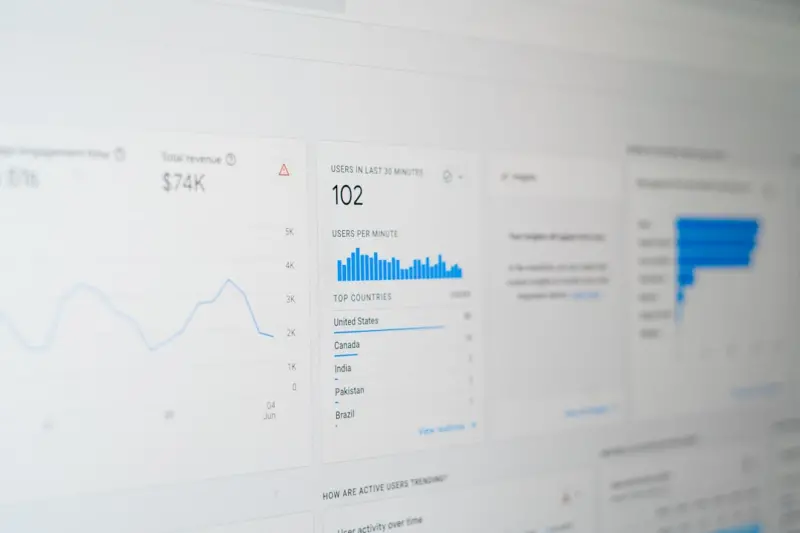
When most marketers think about local search, they picture a static Google Business Profile and a handful of citations. The reality has shifted dramatically: today’s SERPs are a living, breathing ecosystem of hyper‑local signals, real‑time data feeds, and micro‑moments that surface the right business at the right second—often before the user even finishes typing. In this post I’m pulling back the curtain on the emerging layer of hyperlocal SERP features and showing you how to own the 5‑mile radius game without drowning in endless checklist items.
What “hyperlocal” really means in 2024
Hyperlocal isn’t just “near me” anymore. It’s a convergence of three forces:
- Geo‑granular intent – Users are searching for solutions tied to a specific block, transit stop, or even a coffee shop’s Wi‑Fi hotspot.
- Real‑time context – Weather, foot traffic, and local events feed directly into Google’s ranking algorithms.
- Micro‑community signals – Neighborhood forums, local influencers, and community‑generated data are now weighted alongside traditional backlinks.
When these forces align, Google rolls out a hyperlocal SERP unit—a compact, visually rich module that can include a map snippet, live inventory, event tickets, and even a short video. If you’re not in that unit, you’re effectively invisible to the most purchase‑ready audience.
Why the old “NAP consistency” checklist is obsolete
For years, the holy trinity of Name, Address, Phone (NAP) consistency was the cornerstone of any local strategy. Today, Google’s AI‑driven knowledge graph can reconcile discrepancies across dozens of data sources in seconds. This means the real battle is no longer about perfecting a spreadsheet; it’s about feeding Google a continuous stream of high‑signal, context‑rich data.
One practical way to do this is to embed structured data that reflects real‑time business operations—think openingHoursSpecification that updates automatically from your POS, or hasDeliveryMethod that pulls from your logistics API. The result is a dynamic profile that evolves with your business, keeping the hyperlocal unit fresh and relevant.
Micro‑moments: The new conversion trigger
Google defines micro‑moments as “instances when people turn to a device to act on a need.” In the hyperlocal realm, these moments are ultra‑specific: a commuter checking for a quick lunch spot while waiting for the train, or a parent looking for a kid‑friendly dentist within a 2‑mile radius during school drop‑off. Capturing these moments requires you to surface the exact information the user craves—hours, queue status, price, and even a short testimonial—right in the SERP.
Data from local SEO blueprint research shows that businesses that provide real‑time inventory or wait‑time info see a 34% lift in click‑through rates. The takeaway? If you can embed that data into your schema, you’ll own the micro‑moment.
Leveraging community‑generated content
Neighborhood forums, Nextdoor posts, and even local subreddit threads have become credible ranking signals. Google’s algorithm now evaluates “community endorsement” as a proxy for trust. To tap this, you need a two‑pronged approach:
- Earn authentic mentions – Sponsor local events, partner with neighborhood charities, and encourage attendees to share their experience online.
- Amplify the chatter – Use a social listening tool to surface relevant mentions, then respond publicly and embed snippets in your FAQ schema.
When you turn community chatter into structured data, you’re effectively feeding the knowledge graph with fresh, locality‑specific context. That’s where entity‑first SEO tactics become a game‑changer for hyperlocal dominance.
Hyperlocal schema: The secret sauce
Standard LocalBusiness schema is a good start, but to truly win the hyperlocal SERP unit you need to layer additional types:
ServiceArea– Define precise polygons or radius values instead of vague city names.Offer– Highlight time‑sensitive promotions that sync with local events (e.g., “10% off during the downtown farmer’s market”).Event– Publish community events directly on your site; Google will surface them in the local pack.Review– Pull in recent reviews from Google, Yelp, and even niche platforms like TripAdvisor for hospitality businesses.
All of these can be delivered via JSON‑LD, which Google prefers for its parsing speed. Remember to keep the payload under 2 KB; overly bloated markup can trigger a crawl penalty.
Dynamic inventory feeds: From “out of stock” to “in the aisle now”
Retailers that integrate their e‑commerce inventory APIs with Google’s Product schema see a measurable boost in local visibility. The trick is to expose not just product availability but also location‑specific inventory. If a user searches “organic quinoa near me,” the SERP can now show which nearby store has it on the shelf right now, complete with a “Reserve” button.
Implementing this requires a webhook that pushes inventory changes to a Google Merchant Center feed in near‑real time. The payoff is massive: users get the confidence that the product is there, and you eliminate the “out of stock” bounce that erodes trust.
Voice search: The silent hyperlocal driver
Smart speakers and mobile assistants have turned voice queries into a dominant search mode for local intent. Phrases like “Hey Google, find a coffee shop open now” are now parsed for hyperlocal relevance. To rank for voice, focus on conversational long‑tail keywords and answer them directly in your content.
Structure your answers using the FAQPage schema, and keep each answer under 30 words—Google often extracts these verbatim for voice responses. A quick audit of your top‑performing pages will reveal gaps where you can add concise, voice‑ready snippets.
Geofencing and ad extensions: Blurring the line between SEO and paid
While the post is about organic visibility, the reality is that paid extensions now appear alongside organic results in the local pack. By geofencing your ad spend to a tight radius—say 2 miles—you can dominate the SERP real estate both organically and paid.
The synergy works both ways: high organic rankings lower your cost‑per‑click, while paid spots boost the click‑through rate for your organic listings. Use a unified reporting dashboard to monitor impression share across both channels and adjust budgets dynamically.
Local link building 2.0: From directories to hyperlocal content hubs
Traditional link building for local SEO involved submitting to city‑specific directories. Today, those links carry far less weight. Instead, aim for hyperlocal content hubs—digital publications that focus on a specific neighborhood or district. Examples include “The Downtown Brew Review” or “Midtown Tech Roundup.”
Pitch data‑driven stories: “The 5 fastest‑growing coffee shops in the 10‑block radius around Main Street,” backed by foot‑traffic analytics. When these hubs publish your piece, they earn you a high‑relevance backlink and a mention that can be harvested for schema markup.
Measuring hyperlocal success: KPIs that matter
Traditional local SEO metrics—rankings for city‑wide keywords, citation volume—are insufficient for hyperlocal. Focus on these indicators:
- Hyperlocal impression share – Percentage of times your brand appears in the 5‑mile radius SERP unit.
- Micro‑moment CTR – Click‑through rate for real‑time inventory or event snippets.
- Foot traffic lift – Correlate Google My Business insights with in‑store beacon data.
- Voice query capture rate – Share of voice‑activated searches that result in your featured snippet.
Set up a dashboard that pulls data from Google Search Console, Google My Business Insights, and your POS system. The integrated view will reveal the direct impact of hyperlocal optimization on revenue.
Future‑proofing: Preparing for AI‑driven local search
Google’s generative AI is already reshaping how results are presented—think AI‑generated local guides that blend reviews, maps, and inventory into a single narrative. To stay ahead, treat your site as a “knowledge base” that AI can safely draw from. Keep your content factual, up‑to‑date, and richly annotated with schema.
Invest in a content pipeline that continuously surfaces fresh, hyperlocal stories: community event recaps, local customer spotlights, and real‑time product updates. When the AI model queries your site, it will surface the most relevant, timely piece, reinforcing your authority in the micro‑region.
Action plan: 7 steps to dominate hyperlocal SERPs this quarter
- Audit your current schema – Identify missing
ServiceArea,Offer, andEventmarkup. - Integrate real‑time feeds – Connect your POS and inventory APIs to Google Merchant Center.
- Launch a community content hub – Partner with a local digital magazine for a monthly feature.
- Implement voice‑ready FAQs – Add
FAQPageschema with concise answers. - Set up geofenced ad extensions – Mirror your organic radius with paid coverage.
- Track hyperlocal KPIs – Build a unified dashboard for impression share, micro‑moment CTR, and foot traffic.
- Iterate weekly – Use the dashboard to tweak schema, offers, and content based on real‑time performance.
By following this roadmap, you’ll transition from a static local presence to a dynamic, hyperlocal powerhouse that captures the most valuable search moments—right when the consumer is ready to act.

Craig Brett is a freelancer with a passion for the outdoors. His love for nature inspires his work, bringing authentic and engaging perspectives to projects related to outdoor activities, adventure, and environmental topics.
Related Posts

Why Local SEO Matters: A Comprehensive Guide
Discover the importance of local SEO and how to optimize your website for local search results. Lear... Read More

Local Reviews: The Hidden Engine Driving SaaS Growth
Local reviews are more than star ratings; they’re a powerful growth engine. Learn a step‑by‑st... Read More

The Importance of Local SEO in the Digital Age
Local SEO is crucial for businesses that rely on local customers. Learn how to optimize your website... Read More
Top Posts

Link Building in 2024: Jessica Hall’s Insider Blueprint for Sustainable Authority
Jessica Hall shares her 2024 link‑building playbook, focusing on high‑quality backlinks, mobile‑first optimization, and data‑driven outreach to boost au...Read More

Beyond Keywords: A Data‑Driven Playbook for Search Intent in SaaS SEO
This guide shows SaaS marketers how to move beyond rankings by modeling search intent, restructuring content around buyer stages, and tracking intent‑specific...Read More

Beyond the First Click: Mastering SERP Personalization for Modern Brands
This post explores the rise of SERP personalization, breaking down the data signals, micro‑intent clustering, and schema strategies you need to dominate searc...Read More

Micro‑Influencer Networks: A Secret Weapon for SaaS Demand Generation
Micro‑influencer networks, when chosen for relevance, reciprocity, and measurable impact, can become a powerful, low‑cost engine for SaaS demand generation,...Read More
0 Comments
Post Comment
You will need to Login or Register to comment on this post!