
Why Neighborhood‑Centric SEO Is the Next Frontier
Local search is no longer just about city names and zip codes; it’s becoming a hyper‑granular conversation that happens on the block, the park, and even the corner coffee shop. When a resident types “best latte near me” they aren’t looking for the nearest chain—they want the place that feels like home, that knows the local rhythm. This shift forces marketers to think beyond generic “city‑wide” pages and start building neighborhood authority assets that capture the unique pulse of each micro‑area. In this article I’ll walk you through a step‑by‑step playbook for turning public data, community calendars, and micro‑signals into a sustainable, rankings‑driving engine that outpaces traditional local tactics.
Decoding Neighborhood Intent: The “Why” Behind Every Search
The first hurdle is to understand what drives a neighbor’s search. People living in the same zip code often share concerns about traffic, school districts, or local events, yet each street may have its own quirks—think a farmer’s market that only runs on Saturdays or a historic theater that draws weekend crowds. By mapping these subtle differences you can create content that answers the specific “why” behind each query, whether it’s “where to park during the Saturday market” or “family‑friendly brunch on Main Street.” This intent‑first approach not only satisfies users but also signals to Google that your site is the go‑to resource for that micro‑location, boosting relevance and authority.
Mining Public Records and Community Calendars
One of the most underutilized goldmines for neighborhood SEO is the trove of publicly available data—city council minutes, building permits, school district reports, and event calendars. These sources provide a steady stream of fresh, location‑specific topics that can be turned into timely blog posts, FAQ pages, or even structured data snippets. For example, a newly approved bike lane project can be transformed into a guide titled “How the New Oak‑St. Bike Lane Improves Your Commute.” By consistently pulling from these official feeds, you create a content pipeline that rivals any competitor’s blog schedule. To amplify reach, consider linking your new pieces to relevant internal assets like our deep dive on hyperlocal partnerships, which can help you secure backlinks from local NGOs and civic groups.
Building Neighborhood Authority Landing Pages
Instead of a single “Our Services” page for an entire city, design a series of neighborhood landing pages that each target a distinct community name, landmark, or even a well‑known street. These pages should feature a concise overview, a curated list of nearby attractions, and a handful of locally optimized service offerings. Use natural language that mirrors how residents talk—for instance, “the best plumber on Maple Avenue” rather than “plumbing services in Springfield.” Incorporate authentic testimonials from residents, and embed a Google Map with custom pins highlighting your business locations. This micro‑targeted architecture tells search engines that you have depth and relevance at the street‑level, which is a key factor in Google’s local ranking algorithm.
Structured Data for Local Events and Services
Google loves structured data, and when you feed it detailed event markup it can surface your content in the coveted “Events” carousel, the “Local Pack,” and even voice assistants. Use schema.org’s Event and LocalBusiness types to tag community gatherings, pop‑up shops, or seasonal promotions. Ensure you include start and end dates, venue addresses, and ticket information where applicable. This not only improves visibility but also aligns with the emerging trend of zero‑click search, where users receive answers directly on the SERP. For a deeper dive on capturing those coveted spots, check out our guide on zero‑click search.
Creating a Review Loop with Hyper‑Local Influencers
Traditional review generation tactics often focus on generic platforms like Google My Business, but a smarter approach taps into micro‑influencers who already command trust within a neighborhood. Partner with local food bloggers, fitness instructors, or community leaders to co‑create content that showcases your services in a real‑world context. When they share their experiences, ask them to embed a Review schema on their site, which Google can crawl and associate back to your business. This creates a virtuous cycle: authentic local reviews boost rankings, which in turn attract more influencer collaborations. The result is a self‑sustaining ecosystem of trust signals that far outweigh generic star ratings.
Leveraging Community‑Generated Signals for Link Building
Neighborhood forums, city‑run “Ask a Planner” pages, and local subreddit threads are fertile ground for earning contextual backlinks. Identify high‑authority community sites and contribute value‑rich answers that reference your own neighborhood content. For instance, when a resident asks “Where can I find pet‑friendly parks in Downtown?” you can respond with a curated list that links to your “Pet‑Friendly Spots on Riverwalk” landing page. This not only drives referral traffic but also signals relevance to search engines. To further amplify the effect, embed internal links to related pieces such as our Micro‑Moment Mastery guide, reinforcing topical authority across your site.
Measuring Success with Geo‑Analytics and Heatmaps
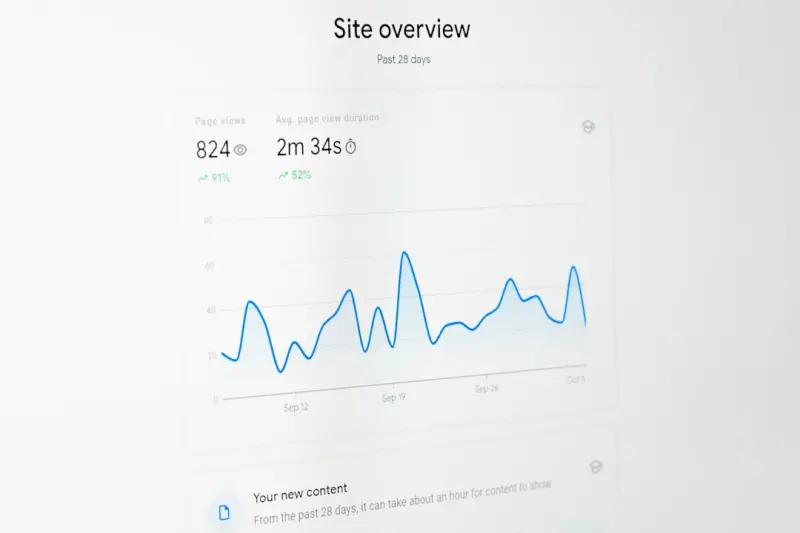
Traditional SEO metrics like organic traffic and keyword rankings are useful, but they don’t tell the full story of neighborhood performance. Implement geo‑analytics tools that track user locations down to the census block, and overlay this data on heatmaps to visualize where visitors are coming from. Look for patterns such as spikes after publishing a new event guide or after securing a local backlink. Combine this with Google Search Console’s “Performance by location” report to identify high‑potential neighborhoods that are under‑served. By constantly iterating on this data, you can allocate resources to the most promising micro‑areas, ensuring a higher ROI on your local SEO investment.
Future‑Proofing Your Neighborhood SEO Strategy
The local search landscape will continue to evolve with AI‑driven personalization, voice assistants, and augmented reality overlays of city streets. To stay ahead, embed flexibility into your workflow: maintain a living spreadsheet of public data sources, automate schema markup generation, and keep a pipeline of neighborhood landing pages ready for rapid deployment. Encourage your team to experiment with emerging formats like short‑form video tours of local landmarks, and always test how these assets appear in SERP features. By treating each neighborhood as a distinct brand entity, you position your business to dominate the “near‑me” queries of tomorrow, turning every corner of the city into a conversion hotspot.

Lifan Chen is a freelancer based in Toronto specializing in marketing. With expertise in crafting effective marketing strategies and campaigns, Lifan helps businesses grow their brand presence and reach target audiences. As a Toronto-based freelancer, Lifan combines local market insights with creative marketing skills to deliver tailored solutions for clients.
Related Posts

Hyper‑Local SEO for SaaS: Turning City‑Specific Queries into Revenue
Learn a step‑by‑step framework for building hyper‑local content clusters, leveraging localized... Read More

Local Storytelling & Micro‑Influencer Playbooks: Revamping Your Neighborhood SEO
A practical guide that shows how storytelling, local influencers, and real‑time schema can transfo... Read More

Neighborhood‑Level Reputation: The Missing Piece in SaaS Local SEO
Tammy French shows SaaS founders why building a neighborhood‑level reputation—through targeted s... Read More
Top Posts

When the Mirror Meets the Cart: AR’s Role in Cutting eCommerce Returns
Augmented Reality is turning visual guesswork into certainty, slashing return rates and driving higher conversions across eCommerce categories—from furniture ...Read More

Unlocking Crawl Budget: The Silent Engine Behind Technical SEO Success
Discover why crawl budget matters, how to audit and prioritize pages, and the technical steps that turn Google’s limited attention into a growth engine....Read More

Empathy‑Driven Social Strategy: Turning Conversation Into Growth
Learn why empathy is the cornerstone of modern social strategy and how listening, human‑centric content, and SEO integration can turn every conversation into ...Read More

Social Listening: Turning Real‑World Chatter into SaaS Growth Engine
A deep dive into how B2B SaaS teams can harness social listening to uncover customer pain points, fuel product roadmaps, and create resonant content that drives...Read More
0 Comments
Post Comment
You will need to Login or Register to comment on this post!